
Which of the following is the main function of centrosomes in animal cells?
Organelle trafficking.
Pathogen digestion.
Cytoplasm formation.
Microtubule organization.
The Correct Answer is D
Centrosomes are organelles that serve as the main microtubule-organizing centres for animal cells.
They regulate the movement of microtubules and other cytoskeletal structures, thereby facilitating changes in the shapes of the membranes of animal cells.
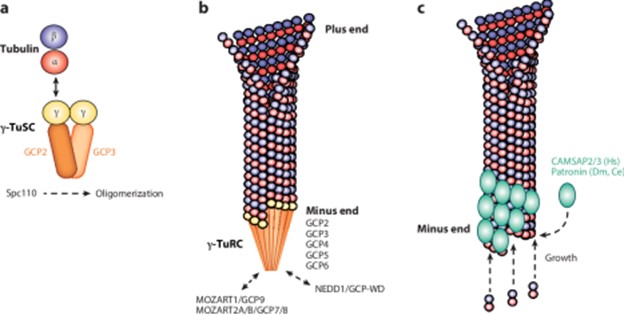
Choice A, Organelle trafficking, is not the correct answer because while centrosomes do play a role in intracellular trafficking during interphase by organizing an astral ray of microtubules2, their main function is microtubule organization.
Choice B, Pathogen digestion, is not the correct answer because centrosomes do not play a direct role in pathogen digestion.
Choice C, Cytoplasm formation, is not the correct answer because centrosomes do not play a direct role in cytoplasm formation.
Nursing Test Bank
Naxlex Comprehensive Predictor Exams
Related Questions
Correct Answer is D
Explanation
The pulmonary veins are the vessels that carry oxygenated blood from the lungs to the left atrium of the heart.
Choice A is not correct because the superior vena cava carries deoxygenated blood from the upper body to the right atrium of the heart.
Choice B is not correct because the inferior vena cava carries deoxygenated blood from the lower body to the right atrium of the heart.
Choice C is not correct because the pulmonary artery carries deoxygenated blood from the right ventricle of the heart to the lungs.
Correct Answer is C
Explanation
During ovulation, a mature egg is released from the female ovary, enabling it to be fertilized by male sperm cells.
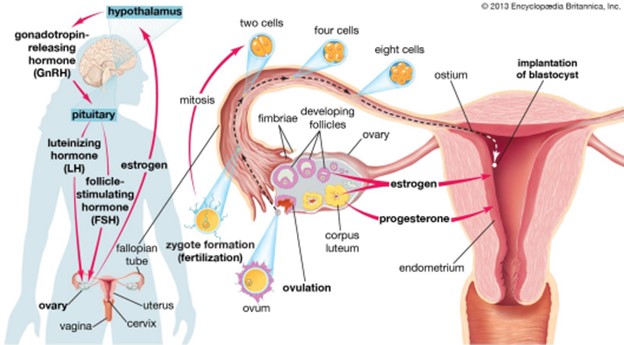
Choice A is incorrect because menstruation is the process of shedding the uterine lining, which occurs when an egg is not fertilized.
Choice B is incorrect because fertilization is the process of a sperm cell joining with an egg cell to form a zygote.
Choice D is incorrect because oogenesis is the process of forming female gametes (eggs) in the ovaries.
Whether you are a student looking to ace your exams or a practicing nurse seeking to enhance your expertise , our nursing education contents will empower you with the confidence and competence to make a difference in the lives of patients and become a respected leader in the healthcare field.
Visit Naxlex, invest in your future and unlock endless possibilities with our unparalleled nursing education contents today