
Which of the following structures is present in both prokaryotic and eukaryotic cells?
Cell membrane.
Golgi apparatus
Chloroplast
Endoplasmic reticulum.
The Correct Answer is A
The cell membrane is a thin, flexible barrier that surrounds all cells and separates the inside of the cell from the outside environment.
It is composed of a lipid bilayer and regulates the movement of substances into and out of the cell.
Choice B is incorrect because the Golgi apparatus is not present in prokaryotic cells.
The Golgi apparatus is an organelle found in eukaryotic cells that is involved in modifying, sorting, and packaging proteins and lipids for transport to other parts of the cell or to be secreted outside the cell.
Choice C is incorrect because chloroplasts are not present in prokaryotic cells.
Chloroplasts are organelles found in plant cells and some algae that are responsible for photosynthesis.
Choice D is incorrect because the endoplasmic reticulum is not present in prokaryotic cells.
The endoplasmic reticulum is an organelle found in eukaryotic cells that is involved in protein synthesis and lipid metabolism.
Nursing Test Bank
Naxlex Comprehensive Predictor Exams
Related Questions
Correct Answer is D
Explanation
Centrosomes are organelles that serve as the main microtubule-organizing centres for animal cells.
They regulate the movement of microtubules and other cytoskeletal structures, thereby facilitating changes in the shapes of the membranes of animal cells.
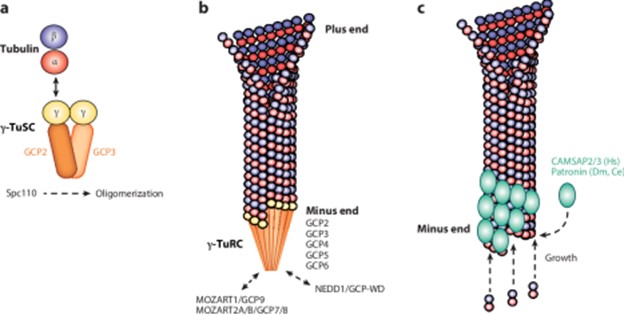
Choice A, Organelle trafficking, is not the correct answer because while centrosomes do play a role in intracellular trafficking during interphase by organizing an astral ray of microtubules2, their main function is microtubule organization.
Choice B, Pathogen digestion, is not the correct answer because centrosomes do not play a direct role in pathogen digestion.
Choice C, Cytoplasm formation, is not the correct answer because centrosomes do not play a direct role in cytoplasm formation.
Correct Answer is D
Explanation
The cytoskeleton of a cell is comprised of protein fibres that provide structural support and help maintain the shape of the cell.
These protein fibres include microfilaments, intermediate filaments, and microtubules.
Choice A. Carbohydrates is not the correct answer because carbohydrates are a type of macromolecule that provides energy to cells and are not a component of the cytoskeleton.
Choice B. Nucleic acids is not the correct answer because nucleic acids are macromolecules that store and transmit genetic information and are not a component of the cytoskeleton.
Choice C. Lipids is not the correct answer because lipids are a type of macromolecule that makes up cell membranes and are not a component of the cytoskeleton.
Whether you are a student looking to ace your exams or a practicing nurse seeking to enhance your expertise , our nursing education contents will empower you with the confidence and competence to make a difference in the lives of patients and become a respected leader in the healthcare field.
Visit Naxlex, invest in your future and unlock endless possibilities with our unparalleled nursing education contents today