
Which of the following is used to determine a person's DNA sequence?
Enzymes
Blood types
Hormones
Genes.
The Correct Answer is D
Genes are segments of DNA that encode the information for making proteins.
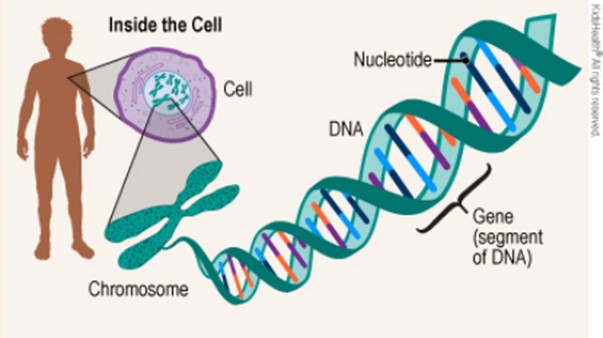
The sequence of nucleotides (As, Ts, Cs, and Gs) in a gene determines the amino acid sequence of the protein. DNA sequencing is the process of determining the sequence of nucleotides in a piece of DNA.
Choice A is incorrect because enzymes are proteins that catalyze chemical reactions, not DNA sequences. Choice B is incorrect because blood types are determined by the presence or absence of certain antigens on the surface of red blood cells, not by DNA sequences. Choice C is incorrect because hormones are chemical messengers that regulate various body functions, not DNA sequences.
Nursing Test Bank
Naxlex Comprehensive Predictor Exams
Related Questions
Correct Answer is D
Explanation
Testosterone is classified as an androgen hormone.
Androgens are a type of sex hormone that primarily regulates the development and maintenance of male characteristics, such as body hair growth, muscle mass, and deepening of the voice.
Testosterone is produced primarily in the testes in males and in smaller amounts in the ovaries and adrenal glands in females.
Option A, estrogen, is a female hormone that regulates the development of female sexual characteristics, such as breast growth and menstruation.
While estrogen and testosterone are both steroid hormones and can be converted to one another in the body, testosterone is not categorized as estrogen.
Option B, progestin, is a synthetic form of the hormone progesterone.
Progesterone is a female hormone that plays a role in the menstrual cycle and pregnancy.
Testosterone and progestin are not related, and testosterone is not categorized as progestin.
Option C, aldosterone, is a mineralocorticoid hormone that regulates salt and water balance in the body.
It is produced in the adrenal gland and plays a role in regulating blood pressure.
Testosterone and aldosterone are not related, and testosterone is not categorized as aldosterone.
Correct Answer is B
Explanation
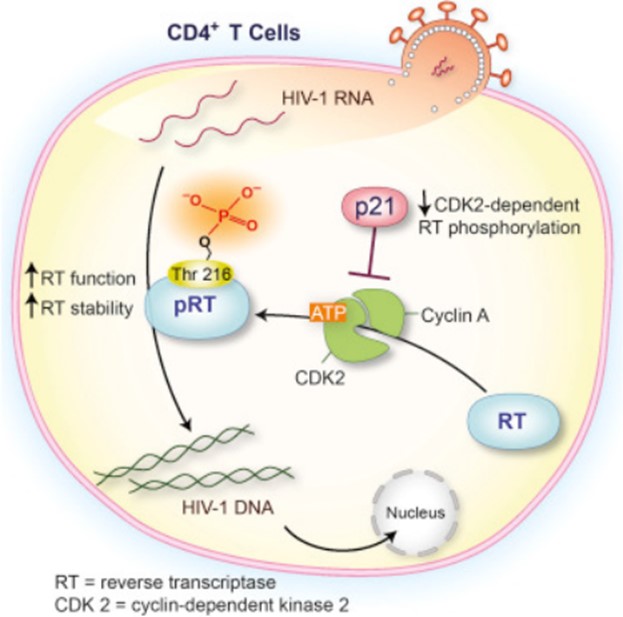
Reverse transcriptase is a virus-specific enzyme that transcribes an RNA template to DNA1.
This allows the AIDS virus, which contains RNA, to insert viral DNA into the DNA of a host cell after the AIDS virus enters the cell.
Choice A, The phospholipids found on the envelope of the virus, is not the correct answer because phospholipids are a major component of cell membranes and do not play a direct role in inserting viral DNA into the DNA of a host cell.
Choice C, Receptor proteins located on the surface of the virus, is not the correct answer because receptor proteins located on the surface of the virus play a role in attachment and fusion of HIV virons to host cells2, but do not play a direct role in inserting viral DNA into the DNA of a host cell.
Choice D, The protein that makes up the capsid of the virus, is not the correct answer because capsid is the outer protein shell of a virus and does not play a direct role in inserting viral DNA into the DNA of a host cell.
Whether you are a student looking to ace your exams or a practicing nurse seeking to enhance your expertise , our nursing education contents will empower you with the confidence and competence to make a difference in the lives of patients and become a respected leader in the healthcare field.
Visit Naxlex, invest in your future and unlock endless possibilities with our unparalleled nursing education contents today