
Why is it important for new scientific findings to be published?
Scientists will get paid if their findings are published.
Publishing findings will help scientists become more biased.
Other scientists can validate or disprove the findings.
This prevents other scientists from performing similar tests
The Correct Answer is C
It is important for new scientific findings to be published so that other scientists can review the research and either validate or disprove the findings.
This process of peer-review helps to ensure the accuracy and reliability of scientific research.
Choice A. Scientists will get paid if their findings are published is not correct because while some scientists may receive funding or grants for their research, the primary goal of publishing scientific findings is not for financial gain.
Choice B. Publishing findings will help scientists become more biased is not correct because the goal of publishing scientific findings is to share information and promote transparency, not to promote bias.
Choice D. This prevents other scientists from performing similar tests is not correct because publishing scientific findings allows other scientists to build upon the research and perform further tests to validate or disprove the findings.
Nursing Test Bank
Naxlex Comprehensive Predictor Exams
Related Questions
Correct Answer is C
Explanation
In the human body, maintaining the pH of the blood within a narrow range is critical for proper physiological functioning.
One of the buffering systems that helps to regulate blood pH involves the conversion of carbon dioxide (CO2) and water (H2O) into carbonic acid (H2CO3), which then dissociates into hydrogen ions (H+) and bicarbonate ions (HCO3-).
Carbonic acid (H2CO3) is responsible for donating H+ ions to act as a buffer when blood pH rises.
When blood pH rises (becomes more alkaline), carbonic acid dissociates, and the H+ ions combine with bicarbonate ions to form more carbonic acid.
This helps to remove excess H+ ions from the blood and prevent the pH from rising too much.
Option A, carbon dioxide, is involved in the buffering system through its conversion to carbonic acid.
However, it does not directly donate H+ ions to act as a buffer when blood pH rises.
Option B, carbon monoxide, is a toxic gas that binds to hemoglobin in red blood cells, preventing them from carrying oxygen.
It is not involved in the buffering system and does not donate H+ ions.
Option D, oxygen, is carried by hemoglobin in red blood cells and is essential for respiration.
It is not involved in the buffering system and does not donate H+ ions.
Correct Answer is D
Explanation
Centrosomes are organelles that serve as the main microtubule-organizing centres for animal cells.
They regulate the movement of microtubules and other cytoskeletal structures, thereby facilitating changes in the shapes of the membranes of animal cells.
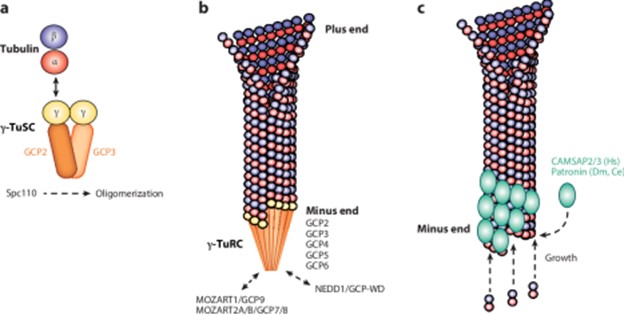
Choice A, Organelle trafficking, is not the correct answer because while centrosomes do play a role in intracellular trafficking during interphase by organizing an astral ray of microtubules2, their main function is microtubule organization.
Choice B, Pathogen digestion, is not the correct answer because centrosomes do not play a direct role in pathogen digestion.
Choice C, Cytoplasm formation, is not the correct answer because centrosomes do not play a direct role in cytoplasm formation.
Whether you are a student looking to ace your exams or a practicing nurse seeking to enhance your expertise , our nursing education contents will empower you with the confidence and competence to make a difference in the lives of patients and become a respected leader in the healthcare field.
Visit Naxlex, invest in your future and unlock endless possibilities with our unparalleled nursing education contents today