
Which patient statement indicates to the nurse the need for further teaching regarding the new diagnosis of type 1 diabetes mellitus (DM)?
I will need to take medication by mouth until my blood sugar is within normal limits again
If I get the flu, the dose of my insulin may need to be altered to control my blood glucose
I will monitor my blood glucose to help determine whether my medication is working as anticipated
The things that I eat may impact the dose of my medication used to control my blood glucose
The Correct Answer is A
Choice A reason: I will need to take medication by mouth until my blood sugar is within normal limits again is an incorrect statement that indicates the need for further teaching. Type 1 diabetes mellitus (DM) is a condition where the pancreas does not produce any insulin, a hormone that helps the cells use glucose for energy. Patients with type 1 DM need to take insulin injections or use an insulin pump for life to replace the missing hormone. Oral medications for diabetes are not effective for type 1 DM, as they work by stimulating the pancreas to produce more insulin or by increasing the sensitivity of the cells to insulin.
Choice B reason: If I get the flu, the dose of my insulin may need to be altered to control my blood glucose is a correct statement that shows understanding of the disease process. Illnesses such as the flu can increase the blood glucose level, as the body releases hormones that counteract the effects of insulin. Patients with type 1 DM may need to adjust their insulin dose, monitor their blood glucose more frequently, and check for ketones in their urine or blood when they are sick. Ketones are acidic substances that are produced when the body breaks down fat for energy, and can lead to a serious complication called diabetic ketoacidosis.
Choice C reason: I will monitor my blood glucose to help determine whether my medication is working as anticipated is another correct statement that demonstrates knowledge of the disease management. Blood glucose monitoring is an essential part of diabetes care, as it helps the patients and the health care providers to evaluate the effectiveness of the insulin therapy, the diet, and the exercise plan. Blood glucose monitoring also helps to prevent or detect hypoglycemia (low blood sugar) and hyperglycemia (high blood sugar), and to adjust the insulin dose accordingly.
Choice D reason: The things that I eat may impact the dose of my medication used to control my blood glucose is also a correct statement that reflects awareness of the disease implications. The amount and type of carbohydrates that the patients eat can affect their blood glucose level, as carbohydrates are the main source of glucose in the diet. Patients with type 1 DM need to balance their insulin dose with their carbohydrate intake, and follow a consistent and healthy eating pattern. They may also use carbohydrate counting, a method of estimating the grams of carbohydrates in the foods they eat, to help them plan their meals and snacks.
Nursing Test Bank
Naxlex Comprehensive Predictor Exams
Related Questions
Correct Answer is D
Explanation
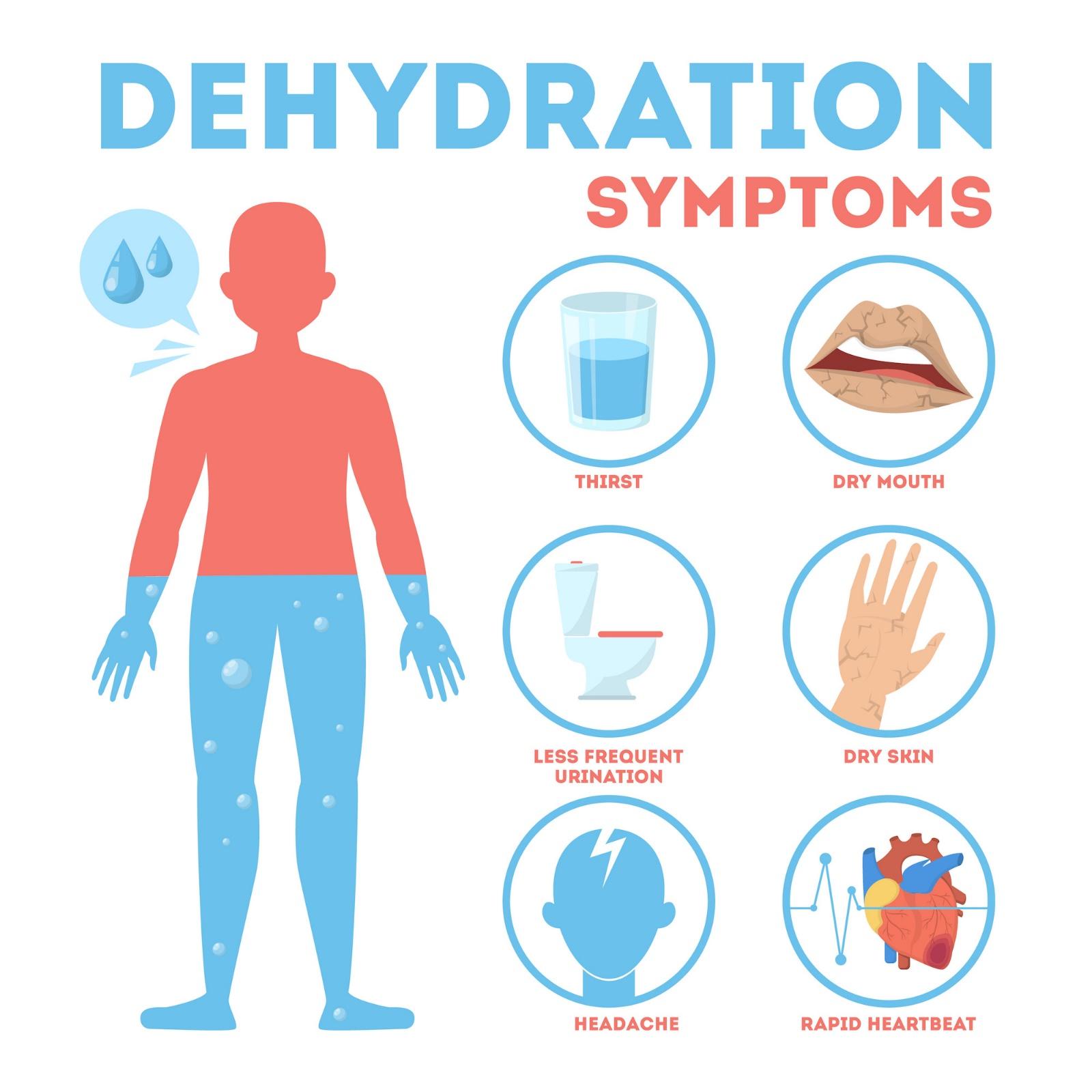
Choice A reason: Performing an in/out catheterization is not a suitable method to measure urine output for a 10-month old client with dehydration. An in/out catheterization is a procedure where a catheter is inserted into the bladder through the urethra, and the urine is drained and measured. This method is invasive, painful, and carries the risk of infection and trauma. It is usually reserved for clients who have urinary retention or obstruction, or who need a sterile urine sample.
Choice B reason: Inserting a Foley catheter is also not an appropriate method to measure urine output for a 10-month old client with dehydration. A Foley catheter is a type of catheter that stays in the bladder and drains the urine into a collection bag. This method is also invasive, painful, and carries the risk of infection and trauma. It is usually used for clients who have urinary incontinence, surgery, or long-term bed rest.
Choice C reason: Collecting the client's urine in a cup is not a feasible method to measure urine output for a 10-month old client with dehydration. A cup is not a reliable or accurate device to collect and measure urine, especially for a young child who may not be toilet trained or cooperative. It is also difficult to ensure that all the urine is collected in the cup, and that the cup is not contaminated by other fluids or substances.
Choice D reason: Counting the number of wet diapers is the best method to measure urine output for a 10-month old client with dehydration. This method is non-invasive, simple, and practical. It can provide an estimate of the urine volume and frequency, and indicate the hydration status of the child. The nurse should weigh the diapers before and after use, and record the difference in grams. One gram of weight equals one milliliter of urine. The nurse should also observe the color, odor, and concentration of the urine. The normal urine output for a child is 1 to 2 mL/kg/hour.
Correct Answer is A
Explanation
Choice A reason: This statement is true. This client may have a high tolerance to opioids and require a higher dose for pain control, as tolerance is a condition where the body becomes less responsive to the effects of a drug over time, and needs more of the drug to achieve the same effect. Tolerance can develop from chronic or repeated use of opioids, and can vary from person to person. The nurse should assess the client's pain level, history of opioid use, and response to the medication, and adjust the dose accordingly.
Choice B reason: This statement is false. Clients with a history of opioid abuse should not be denied an opioid analgesic, as opioids are effective and appropriate medications for acute pain management, especially after surgery. The nurse should not discriminate or stigmatize the client based on their history of opioid abuse, but rather provide compassionate and evidence-based care. The nurse should also use a multimodal approach to pain management, which involves using non-opioid analgesics, adjuvant medications, and non-pharmacological interventions, such as ice, heat, massage, or relaxation techniques.
Choice C reason: This statement is false. This client should not wait until their pain is severe, 10/10 before taking a high dose opioid, as this can result in poor pain control, increased stress, and delayed recovery. The nurse should encourage the client to take the medication as prescribed, and to report their pain level regularly. The nurse should also educate the client about the benefits of preventive analgesia, which involves taking the medication before the pain becomes severe, and maintaining a steady blood level of the drug.
Choice D reason: This statement is false. The client's self-report of pain may not be disregarded if they have a history of opioid abuse, as pain is a subjective and personal experience, and the client is the best judge of their own pain. The nurse should not assume that the client is exaggerating, lying, or drug-seeking, but rather respect and validate the client's pain report. The nurse should also use objective indicators of pain, such as vital signs, facial expressions, body movements, and behavioral changes, to support the client's pain assessment.
Whether you are a student looking to ace your exams or a practicing nurse seeking to enhance your expertise , our nursing education contents will empower you with the confidence and competence to make a difference in the lives of patients and become a respected leader in the healthcare field.
Visit Naxlex, invest in your future and unlock endless possibilities with our unparalleled nursing education contents today