
naxlex image logo
naxlex image logo
  • Home
  • Nursing School Content
  • TEAS Content
  • How It Works
  • TEAS
  • HESI prep
  • NCLEX
  • Nursing School Exams
  • Naxex Login
  • Get Started
  • Get Started
Discover valuable nursing resources and insights for your success—join our nursing community and access the tools to excel.
Naxlex
Naxlex
Home Nursing School Content TEAS/HESI A2 Content NCLEX Get Started
  • Naxlex Login
  • Blog
    • Medical Surgical
    • Genito-Urinary System Disorders
    • Diagnostic Evaluation
    Try Naxlex NCLEX-RN (14-day Free-Trial)

    Diagnostic Evaluation

    - The diagnosis of BPH is based on the history, physical examination, symptom assessment, laboratory tests, and imaging studies

    - The history should include the onset, duration, severity, and impact of LUTS on the quality of life of the client

    - The physical examination should include a digital rectal exam (DRE) to palpate the size, shape, consistency, and tenderness of the prostate gland

    - The symptom assessment should include the International Prostate Symptom Score (IPSS) or the American Urological Association Symptom Index (AUASI) to quantify the severity of LUTS and their effect on the client's well-being

    - The laboratory tests should include a urinalysis and culture to rule out UTI or hematuria; a complete blood count (CBC) to check for infection or anemia; a blood urea nitrogen (BUN) and creatinine to assess renal function; and a prostate-specific antigen (PSA) to screen for prostate cancer or monitor treatment response

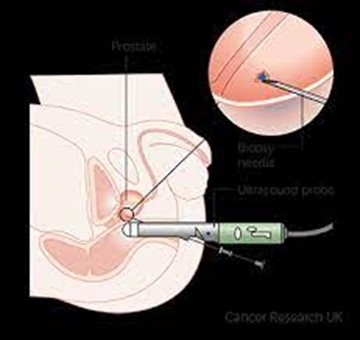
    - The imaging studies may include a transrectal ultrasound (TRUS) with or without biopsy to measure the prostate volume and rule out prostate cancer; a postvoid residual (PVR) measurement to evaluate bladder emptying; a uroflowmetry to measure the urine flow rate; a cystoscopy to visualize the urethra and bladder; and a urodynamic study to assess bladder pressure and function
    Nursing Test Bank

    Test Bank #1: RN Pharmacology Exams Test Bank #2: RN Medical-Surgical Exams Test Bank #3: RN Fundamentals Exams Test Bank #4: RN Maternal-Newborn Exams Test Bank #5: RN Anatomy and Physiology Exams Test Bank #6: RN Obstetrics and Pediatrics Exams Test Bank #7: RN Fluid and Electrolytes Exams Test Bank #9: RN Adult Health Test Bank #10: RN Dosage Calculation Test Bank #11: RN Community Health Exams Test Bank #12: RN Psychology Exams Test Bank #13: RN Nursing Care Of Children Test Bank #14: RN Foundations of Nursing Exams

    Naxlex Comprehensive Predictor Exams

    Exam #1: RN Comprehensive predictor 2023 proctored exam Exam #2: Ati rn vati comprehensive predictor proctored exam Exam #3: Ati Rn Comprehensive Predictor Proctored Exam 2023 Exam #4: Rn Comprehensive Predictor 2023 Proctored Exam - St. Joseph Exam #5: RN Comprehensive Predictor Proctored Exam (National U CA San Diego) Exam #6: Ati rn comprehensive predictor 2023 retake proctored exam Exam #7: RN Hesi Exit Proctored Exam Exam #8: Hesi RN Exit proctored exam Exam #9: Hesi rn exit proctored exam Exam #10: Hesi Rn compass exit B proctored exam

    Questions on Diagnostic Evaluation

    Correct Answer is A

    Explanation

    Anticholinergics are used to treat overactive bladder symptoms, which are not specific to BPH-related LUTS.

    Correct Answer is D

    Explanation

    This is the correct answer. Residual urine in the bladder after voiding provides a breeding ground for bacteria, increasing the risk of UTIs. In BPH, the enlarged prostate obstructs the urethra, leading to incomplete bladder emptying and the presence of residual urine, which contributes to recurrent UTIs.

    Correct Answer is D

    Explanation

    This statement is incorrect. Over-the-counter cold medications containing decongestants can worsen BPH symptoms by constricting blood vessels, including those in the prostate, and can lead to urinary retention.

    Correct Answer is C

    Explanation

    Pelvic floor exercises are helpful for strengthening pelvic muscles but are not a primary intervention for relieving urinary retention.

    Correct Answer is A

    Explanation

    <p>A urinalysis is a general test used to assess the urine&#39;s appearance, specific gravity, and the presence of blood, proteins, and other substances. While it can provide information about kidney function and potential urinary tract infections, it is not specific to BPH.</p>

    Correct Answer is C

    Explanation

    Eating a high-protein diet is not specifically indicated for managing urinary frequency and urgency in clients with BPH.Questions

    Correct Answer is D

    Explanation

    This is the correct answer. Clients should be instructed to report any signs of catheter blockage or leakage to their healthcare provider. Catheter blockage can lead to urinary retention, and leakage may indicate a problem with the catheter or the drainage system.

    Correct Answer is C

    Explanation

    Prostate cancer may cause symptoms similar to BPH, but sudden severe pain in the lower abdomen, groin, and testicles is not a typical presentation of prostate cancer.

    Correct Answer is D

    Explanation

    This is the correct answer. Catheterization is necessary to relieve urinary retention and drain the distended bladder.

    Correct Answer is A

    Explanation

    An enlarged bladder compressing the urethra is not a common symptom of BPH. Instead, it is the enlarged prostate that causes the obstruction.

    Correct Answer is C

    Explanation

    Limiting fluid intake at night may cause dehydration and is not recommended. Instead, the client should focus on reducing evening fluid intake to minimize nighttime urine production.Questions

    Correct Answer is B

    Explanation

    A sedentary lifestyle may contribute to overall health issues but is not a specific risk factor for BPH.

    Correct Answer is C

    Explanation

    Urinary urgency is the sudden and strong desire to urinate and is not specifically related to postvoid dribbling.

    Correct Answer is B

    Explanation

    <p>The evaluation of urinary flow rate is typically done through urodynamic studies and flowmetry tests, not the PSA test.</p>

    Correct Answer is A

    Explanation

    <p>Urinalysis is a urine test that evaluates the urine&#39;s physical and chemical properties but does not directly assess the size and shape of the prostate gland.</p>

    Correct Answer is B

    Explanation

    <p>This statement is not correct. BPH does not involve the absence of the prostate gland; it is an enlargement of the gland.</p>

    Correct Answer is C

    Explanation

    Invasive surgery is usually reserved for severe cases of BPH that do not respond to conservative management or when complications occur.

    Correct Answer is B

    Explanation

    Contracting the prostate gland is not a desired effect in BPH management.

    Correct Answer is C

    Explanation

    No explanation

    Correct Answer is A

    Explanation

    Prostate cancer may have similar symptoms to BPH but would not present with acute urinary retention and a distended bladder.

    Correct Answer is D

    Explanation

    <p>This is the correct answer. Hematuria (blood in the urinE. can be associated with BPH due to irritation or trauma to the urinary tract caused by the enlarged prostate. Hematuria may be gross (visiblE. or microscopic and should be further evaluated to determine its cause.</p>

    This is the correct answer. Alpha-blocker medications used to treat BPH can cause a sudden drop in blood pressure, leading to dizziness. Clients should be educated about this potential side effect and advised to change positions slowly to minimize the risk of falls.

    Inadequate fluid intake may contribute to UTIs, but the primary reason for recurrent UTIs in BPH is the bacterial colonization of the prostate due to urinary retention.

    Waiting for new symptoms to arise before seeking a follow-up appointment may delay necessary interventions and could lead to worsening of symptoms.

    Nocturia is the need to wake up at night to urinate.

    Reducing the risk of urinary incontinence is not the primary goal of combination therapy with these medications.Questions

    A urodynamic study is not used to evaluate the bladder's capacity directly, but it does assess bladder function during voiding.

    Improved urine flow is an intended outcome of relieving urinary retention with the catheter, not a complication.

    Urge urinary incontinence is characterized by a sudden, strong urge to urinate, followed by involuntary urine loss. It is not related to the symptoms described in the question.Questions

    This is the correct answer. Hematuria in clients with BPH may be due to the presence of bladder stones. Urinary retention and stasis can lead to the formation of stones in the bladder, which may cause bleeding and hematuria.

    Alpha-blockers do not enhance urine production by the kidneys. They primarily focus on relaxing the smooth muscles to improve urinary flow.Questions

    Avoiding sitting for extended periods is not a specific activity restriction after a TURP.

    Increased urine output is not a typical complication of BPH. BPH primarily affects the outflow of urine, resulting in obstructive voiding symptoms.

    This is the correct answer. Difficulty starting a urine stream and a weak urine flow are obstructive voiding symptoms commonly seen in clients with BPH due to the enlargement of the prostate gland, which obstructs the urethra.

    <p>This is the correct answer. During a transrectal ultrasound (TRUS), a lubricated probe is inserted into the rectum to obtain images of the prostate gland. Some clients may experience mild discomfort or pressure during the procedure, but it is generally well-tolerated.</p>

    Increased fluid intake may be beneficial for overall bladder health but will not directly relieve the obstruction causing acute urinary retention.Questions

    This is the correct answer. Difficulty emptying the bladder is a hallmark symptom of bladder outlet obstruction caused by an enlarged prostate in BPH.

    Urgency is the sudden and strong need to urinate, and it is not specifically associated with BPH.

    Administering anticoagulant medications may not be necessary after a TURP unless specifically ordered by the healthcare provider. The nurse should follow the prescribed medication regimen and monitor for bleeding complications.

    Reduced bladder capacity is not a contributing factor to recurrent UTIs in BPH.

    TURP does not have a direct impact on fertility, as it does not affect the production or release of sperm.

    Urinary retention may cause decreased frequency of urination rather than nocturia and frequent nighttime urination.
    Try Naxlex NCLEX-RN
    (14 Day Free-Trial)

    Search Here

    More on Nursing

    • Medico-Surgical Procedures
    • Immunological System
    • Blood and Cardiovascular Disorders
    • Digestive System Disorders
    • Perioperative Nursing
    • Endocrine Systems
    • Communicable Diseases
    • Introduction
    • Musculoskeletal System

    Free Nursing Study Materials

    Access to all study guides and practice questions for nursing for free.

    • Free Nursing Study Trials
    • Free Nursing Video tutorials
    • Free Nursing Practice Tests
    • Free Exam and Study Modes
    • Free Nursing Revision Quizlets
    Join Us Today
    naxlex-logo-footer

    Designed to assess a student's preparedness for entering the health science fields.

    Email Address: [email protected]

    Study Resources

    • Naxlex Login
    • TEAS 7 Practice Tests
    • HESI A2 Prep
    • Nursing Test Banks
    • NCLEX Practice Questions

    Company

    • Pricing
    • Refund Policy
    • Terms And Conditions
    • Privacy Policy
    • Delivery Policy
    • Consumer and Data Privacy Policy

    © 2026 Naxlex.com