
naxlex image logo

Naxlex

  • Nursing School Content
  • TEAS Content
  • HESI Content
  • Register
  • Sign Up
How it Works
Naxlex
  • Pathophysiology
  • Basic Concepts of Pathophysiology
  • Introduction
Try Naxlex NCLEX-RN (14-day Free-Trial)

Introduction

  • Pathophysiology is the study of how normal physiological processes are altered by disease or injury. 

  • It involves understanding the causes (etiology), mechanisms (pathogenesis), signs and symptoms (clinical manifestations), diagnostic tests (diagnosis), outcomes (prognosis), and interventions (treatment) of various health conditions. 

  • Pathophysiology is an essential component of nursing education and practice because it provides the scientific basis for assessing, diagnosing, planning, implementing, and evaluating nursing care for individuals or groups with health problems.

    • Pathophysiology nursing is a branch of nursing that applies the knowledge of pathophysiology, the study of the underlying changes in body physiology that result from disease or injury, to the assessment, diagnosis, and management of patients with various health problems12.

    • Pathophysiology nursing requires an understanding of the normal structure and function of the human body, as well as the mechanisms of disease development, progression, and resolution12.

    • Pathophysiology nursing also involves the recognition of risk factors, precipitating factors, etiology, signs, symptoms, and complications of different diseases and disorders, as well as their impact on the patient’s physical, psychological, and social well-being12.

    • Pathophysiology nursing uses various tools and methods to collect and analyze data, such as history taking, physical examination, laboratory tests, diagnostic imaging, and monitoring devices12.

    • Pathophysiology nursing employs evidence-based practice and clinical reasoning to formulate nursing diagnoses, plan and implement appropriate interventions, and evaluate outcomes12.

    • Pathophysiology nursing collaborates with other health care professionals and disciplines to provide holistic and patient-centered care12.
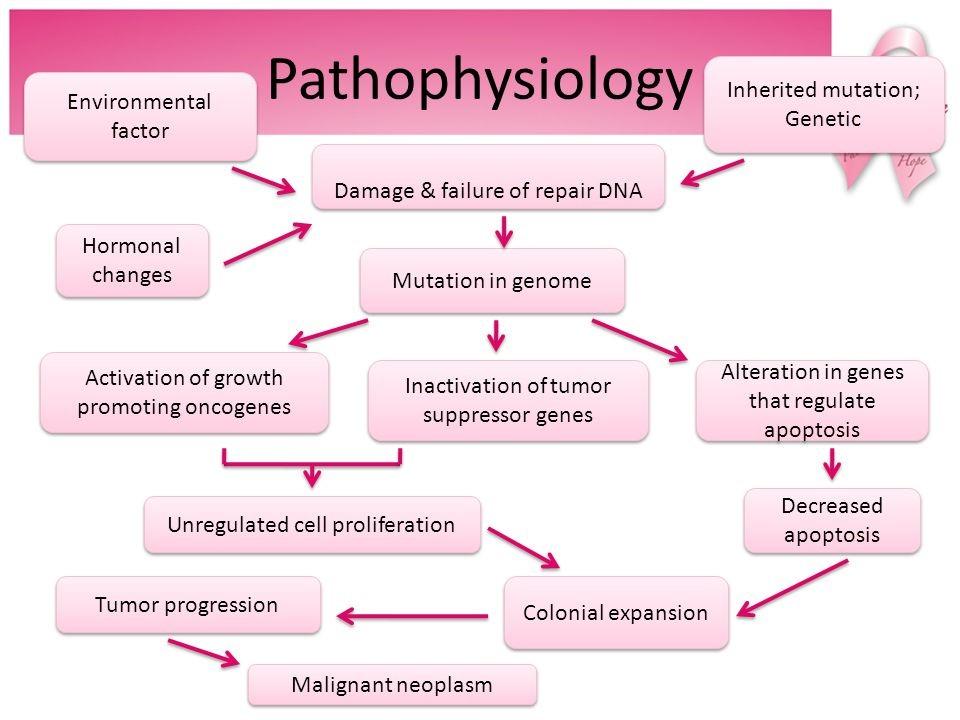
     

    pathophysiology - Public Health Notes


Nursing Test Bank

Test Bank #1: RN Pharmacology Exams Test Bank #2: RN Medical-Surgical Exams Test Bank #3: RN Fundamentals Exams Test Bank #4: RN Maternal-Newborn Exams Test Bank #5: RN Anatomy and Physiology Exams Test Bank #6: RN Obstetrics and Pediatrics Exams Test Bank #7: RN Fluid and Electrolytes Exams Test Bank #9: RN Adult Health Test Bank #10: RN Dosage Calculation Test Bank #11: RN Community Health Exams Test Bank #12: RN Psychology Exams Test Bank #13: RN Nursing Care Of Children Test Bank #14: RN Foundations of Nursing Exams

Naxlex Comprehensive Predictor Exams

Exam #1: RN Comprehensive predictor 2023 proctored exam Exam #2: Ati rn vati comprehensive predictor proctored exam Exam #3: Ati Rn Comprehensive Predictor Proctored Exam 2023 Exam #4: Rn Comprehensive Predictor 2023 Proctored Exam - St. Joseph Exam #5: RN Comprehensive Predictor Proctored Exam (National U CA San Diego) Exam #6: Ati rn comprehensive predictor 2023 retake proctored exam Exam #7: RN Hesi Exit Proctored Exam Exam #8: Hesi RN Exit proctored exam Exam #9: Hesi rn exit proctored exam Exam #10: Hesi Rn compass exit B proctored exam

Questions on Introduction

Correct Answer is D

Explanation

This is an incorrect statement that contradicts the text and indicates a need for further teaching.

Correct Answer is ["A","B","E"]

Explanation

This is a correct answer because physical inactivity is a modifiable risk factor that can reduce insulin sensitivity and glucose utilization by muscles, leading to hyperglycemia.

Correct Answer is A

Explanation

This is an incorrect answer because it confuses asthma with another condition called cystic fibrosis, which is a genetic disorder that affects the mucus glands and causes thick and sticky mucus in the lungs and other organs.

This is a correct answer because having trouble breathing and cyanosis are signs of hypoxemia, which is a possible complication of pneumonia that can lead to respiratory failure and death.

This is an incorrect answer because flushing the client's intravenous line with normal saline is an intervention that should be performed after administering the antibiotic, not before, to ensure that no residual antibiotic remains in the line.
Try Naxlex NCLEX-RN
(14 Day Free-Trial)

Search Here

Related Topics

More on Nursing

  • Pathophysiology of the Musculoskeletal System
  • Pathophysiology of the Reproductive System
  • Pathophysiology of the integumentary system
  • Pathophysiology of the Hematologic System
  • Pathophysiology of the respiratory system
  • Pathophysiology of the renal system
  • Pathophysiology of the Gastrointestinal System
  • Pathophysiology of the Nervous System

Free Nursing Study Materials

Access to all study guides and practice questions for nursing for free.

  • Free Nursing Study Trials
  • Free Nursing Video tutorials
  • Free Nursing Practice Tests
  • Free Exam and Study Modes
  • Free Nursing Revision Quizlets
Join Us Today
naxlex-logo-footer

Designed to assess a student's preparedness for entering the health science fields.

Email Address: [email protected]

Phone No: +18175082244

Company

  • Contact us
  • How it Works
  • Blog

Resources

  • Privacy Policy
  • Terms of use
  • Help Center

© 2026 Naxlex.com