
naxlex image logo
naxlex image logo
  • Home
  • Nursing School Content
  • TEAS Content
  • How It Works
  • TEAS
  • HESI prep
  • NCLEX
  • Nursing School Exams
  • Naxex Login
  • Get Started
  • Get Started
Discover valuable nursing resources and insights for your success—join our nursing community and access the tools to excel.
Naxlex
Naxlex
Home Nursing School Content TEAS/HESI A2 Content NCLEX Get Started
  • Naxlex Login
  • Blog
    • Pediatrics
    • Common Pediatric Conditions
    • Introduction
    Try Naxlex NCLEX-RN (14-day Free-Trial)

    Introduction (Common Pediatric Conditions)

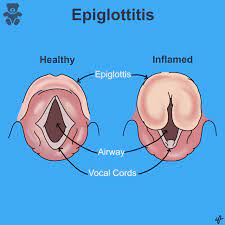
    - Epiglottitis is a potentially life-threatening condition that occurs when the epiglottis, a cartilage flap that covers the entrance to the larynx during swallowing, becomes inflamed and swollen.

    - The most common cause of epiglottitis in children is infection by Haemophilus influenzae type b (Hib) bacteria, which can also cause meningitis, pneumonia, and septic arthritis. Other causes include streptococcal or staphylococcal infections, trauma, thermal or chemical injury, foreign body aspiration, or immunodeficiency.

    - Epiglottitis can affect children of any age, but it is more common in children between 2 and 8 years old. It is more prevalent in males than females and in colder months than warmer months.

    - Epiglottitis can rapidly progress to complete airway obstruction and respiratory failure within hours if not treated promptly. Therefore, it is essential to recognize the signs and symptoms of epiglottitis and provide immediate medical attention.
    Nursing Test Bank

    Test Bank #1: RN Pharmacology Exams Test Bank #2: RN Medical-Surgical Exams Test Bank #3: RN Fundamentals Exams Test Bank #4: RN Maternal-Newborn Exams Test Bank #5: RN Anatomy and Physiology Exams Test Bank #6: RN Obstetrics and Pediatrics Exams Test Bank #7: RN Fluid and Electrolytes Exams Test Bank #9: RN Adult Health Test Bank #10: RN Dosage Calculation Test Bank #11: RN Community Health Exams Test Bank #12: RN Psychology Exams Test Bank #13: RN Nursing Care Of Children Test Bank #14: RN Foundations of Nursing Exams

    Naxlex Comprehensive Predictor Exams

    Exam #1: RN Comprehensive predictor 2023 proctored exam Exam #2: Ati rn vati comprehensive predictor proctored exam Exam #3: Ati Rn Comprehensive Predictor Proctored Exam 2023 Exam #4: Rn Comprehensive Predictor 2023 Proctored Exam - St. Joseph Exam #5: RN Comprehensive Predictor Proctored Exam (National U CA San Diego) Exam #6: Ati rn comprehensive predictor 2023 retake proctored exam Exam #7: RN Hesi Exit Proctored Exam Exam #8: Hesi RN Exit proctored exam Exam #9: Hesi rn exit proctored exam Exam #10: Hesi Rn compass exit B proctored exam

    Questions on Introduction

    Correct Answer is ["A","C"]

    Explanation

    Mycoplasma pneumoniae infection is not a common cause of epiglottitis. Bacterial infections, especially Hib, are the primary culprits in pediatric cases of epiglottitis.

    Correct Answer is D

    Explanation

    The statement "I'm having trouble breathing.”. is the most concerning symptom in a child suspected of having epiglottitis. Difficulty breathing indicates significant airway obstruction, which can rapidly progress to respiratory failure. This symptom requires immediate medical attention and intervention to secure the airway and prevent further complications.

    Correct Answer is B

    Explanation

    Using nebulized medications for treatment might be a part of the management plan if the child already has epiglottitis, but it's not a preventive measure. Prevention focuses on vaccination and awareness of symptoms, making choice D less relevant in the context of prevention.

    Correct Answer is C

    Explanation

    Neisseria meningitidis is a bacterium that can cause meningitis and septicemia, but it is not the main causative agent of epiglottitis.

    Correct Answer is A

    Explanation

    Increased sensitivity to antibiotics is not a known side effect of corticosteroid therapy. Corticosteroids work by suppressing the immune response and reducing inflammation, but they do not affect the body's sensitivity to antibiotics. Antibiotic effectiveness is determined by factors such as the specific antibiotic used, the type of bacteria causing the infection, and antibiotic resistance patterns.

    Correct Answer is C

    Explanation

    Epiglottitis does not typically result in a loud, high-pitched cry. The child with epiglottitis is usually quiet and prefers to sit still in a tripod position to maintain airway patency.

    Correct Answer is D

    Explanation

    Children between 2 and 8 years old are at higher risk of developing epiglottitis. This age group is more susceptible due to their smaller airways and less developed immune systems, making them prone to infections like epiglottitis.

    Correct Answer is D

    Explanation

    Cyanosis, characterized by a bluish discoloration of the skin and lips, indicates severe lack of oxygen and is a critical sign in assessing the severity of epiglottitis. Cyanosis suggests inadequate oxygenation and is indicative of impending respiratory failure, requiring immediate medical intervention.

    X-ray of the chest is not the preferred imaging test for evaluating epiglottitis. While a chest X-ray can provide information about the lungs and surrounding structures, it does not offer the necessary detail to visualize the upper airway, including the epiglottis. Lateral neck radiograph is specifi

    The swelling in epiglottitis is not limited to the vocal cord area. It involves the epiglottis, which can obstruct the airway and cause respiratory distress.

    Providing humidified air or cool mist therapy to moisten the airway is a supportive measure that can help ease breathing difficulties in children with epiglottitis. Humidified air or cool mist therapy can soothe the inflamed airway, making it easier for the child to breathe. It is essential to maint

    Administering analgesics and antipyretics can address pain and fever associated with epiglottitis but does not directly contribute to maintaining a patent airway. While these medications can improve the child's comfort, they are not the priority in this situation.

    Current hobbies and interests are not pertinent to the assessment of epiglottitis. This information is important in a broader context for understanding the child's lifestyle but does not provide relevant data regarding the condition.

    Tachypnea (rapid breathing) and tachycardia (rapid heartbeat) are common physiological responses to respiratory distress. In epiglottitis, the child may exhibit these symptoms due to the body's attempt to compensate for decreased oxygen levels. These manifestations reflect the severity of the condit

    Intubation is not always the first choice for airway management in epiglottitis. The choice of airway management (intubation, tracheostomy, or other interventions) depends on the severity of the airway obstruction, the child's clinical condition, and the healthcare provider's assessment. Intubation
    Try Naxlex NCLEX-RN
    (14 Day Free-Trial)

    Search Here

    More on Nursing

    • Growth and Development
    • Pediatric Emergency Care
    • Health Promotion and Maintenance
    • Pediatric Nursing Skills and Pediatric Assessment
    • Pain Assessment and Management in Children
    • Child Abuse and Neglect
    • Nursing Care of Hospitalized Children

    Free Nursing Study Materials

    Access to all study guides and practice questions for nursing for free.

    • Free Nursing Study Trials
    • Free Nursing Video tutorials
    • Free Nursing Practice Tests
    • Free Exam and Study Modes
    • Free Nursing Revision Quizlets
    Join Us Today
    naxlex-logo-footer

    Designed to assess a student's preparedness for entering the health science fields.

    Email Address: [email protected]

    Study Resources

    • Naxlex Login
    • TEAS 7 Practice Tests
    • HESI A2 Prep
    • Nursing Test Banks
    • NCLEX Practice Questions

    Company

    • Pricing
    • Refund Policy
    • Terms And Conditions
    • Privacy Policy
    • Delivery Policy
    • Consumer and Data Privacy Policy

    © 2026 Naxlex.com