
Preoperative Nursing Care
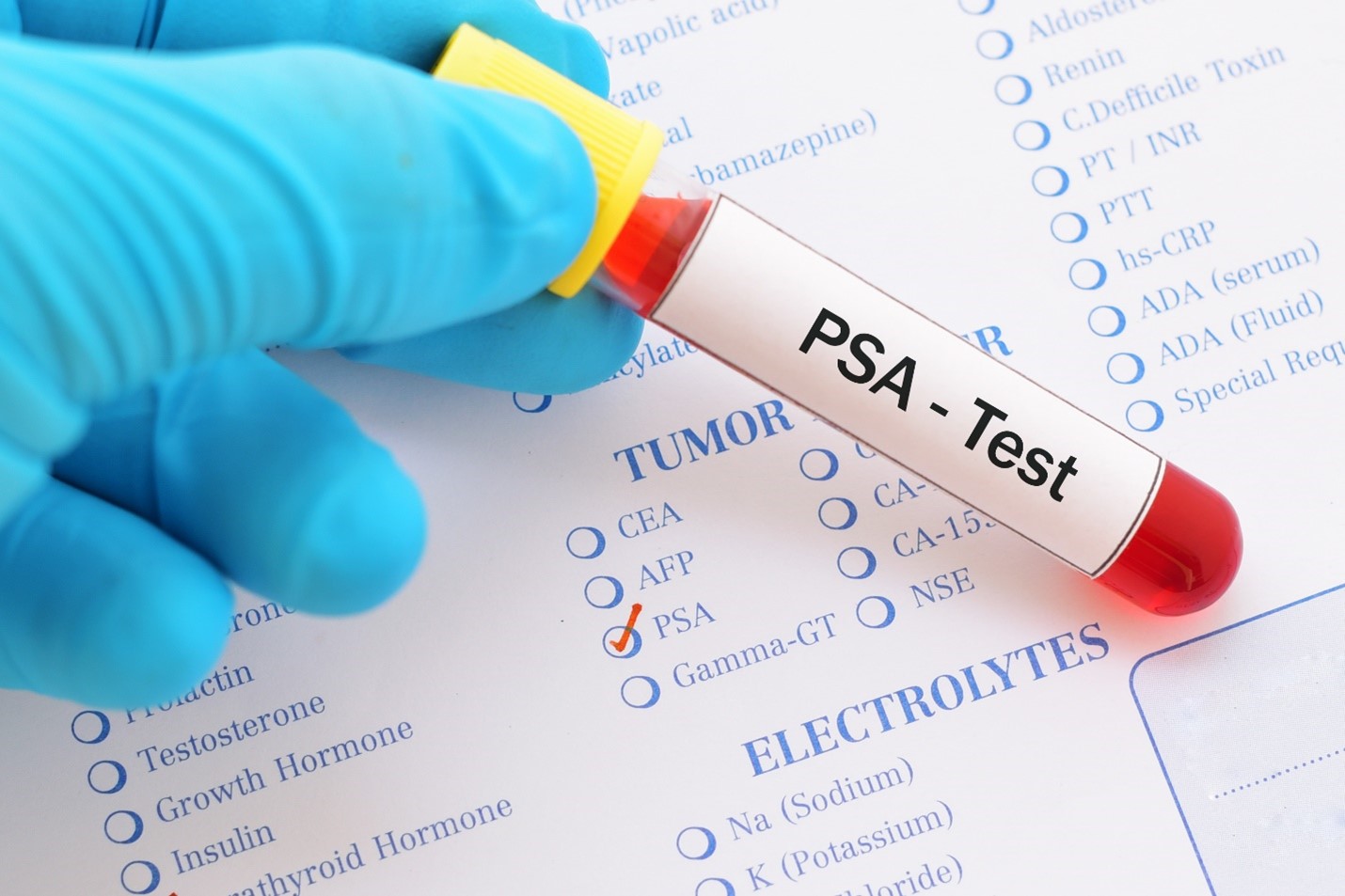
- Assess the patient's medical history, physical exam, urine culture, blood tests, and prostate-specific antigen (PSA) level
- Teach the patient about the procedure, risks, benefits, and alternatives
- Instruct the patient to fast for 8 hours before the surgery and to stop taking anticoagulants or antiplatelets as advised by the doctor
- Administer antibiotics prophylactically to prevent infection
- Prepare the patient for anesthesia (general or spinal) and insert an intravenous (IV) line for fluid and medication administration
Nursing Test Bank
Test Bank #1: RN Pharmacology Exams
Test Bank #2: RN Medical-Surgical Exams
Test Bank #3: RN Fundamentals Exams
Test Bank #4: RN Maternal-Newborn Exams
Test Bank #5: RN Anatomy and Physiology Exams
Test Bank #6: RN Obstetrics and Pediatrics Exams
Test Bank #7: RN Fluid and Electrolytes Exams
Test Bank #9: RN Adult Health
Test Bank #10: RN Dosage Calculation
Test Bank #11: RN Community Health Exams
Test Bank #12: RN Psychology Exams
Test Bank #13: RN Nursing Care Of Children
Test Bank #14: RN Foundations of Nursing Exams
Naxlex Comprehensive Predictor Exams
Exam #1: RN Comprehensive predictor 2023 proctored exam
Exam #2: Ati rn vati comprehensive predictor proctored exam
Exam #3: Ati Rn Comprehensive Predictor Proctored Exam 2023
Exam #4: Rn Comprehensive Predictor 2023 Proctored Exam - St. Joseph
Exam #5: RN Comprehensive Predictor Proctored Exam (National U CA San Diego)
Exam #6: Ati rn comprehensive predictor 2023 retake proctored exam
Exam #7: RN Hesi Exit Proctored Exam
Exam #8: Hesi RN Exit proctored exam
Exam #9: Hesi rn exit proctored exam
Exam #10: Hesi Rn compass exit B proctored exam
Questions on Preoperative Nursing Care
Correct Answer is B
Explanation
Initiating a rapid infusion of intravenous fluids may not be appropriate without a proper assessment and evaluation of the client's condition. The priority is to inform the surgical and anesthesia teams to address the situation promptly.
Correct Answer is A
Explanation
No explanation
Correct Answer is D
Explanation
This is the correct answer. Monitoring fluid intake and output during TURP surgery allows the nurse to assess for signs of fluid overload or imbalance, which can occur due to irrigation fluids and potential bleeding.
Correct Answer is C
Explanation
Kegel exercises are beneficial for pelvic floor muscle strengthening but are not specifically required before TURP surgery.
Correct Answer is D
Explanation
This is the correct answer. Consuming caffeine and alcohol in moderation is recommended after TURP surgery. These substances can act as diuretics, increasing the need to urinate and potentially causing discomfort for the client.
Correct Answer is D
Explanation
This is the correct answer. Monitoring fluid intake and output during TURP surgery allows the nurse to assess for signs of fluid overload or imbalance, which can occur due to irrigation fluids and potential bleeding.
Correct Answer is D
Explanation
This is the correct answer. Actively listening to the client's concerns allows the nurse to understand their fears and provide appropriate emotional support, which can help alleviate anxiety before TURP surgery.
Correct Answer is C
Explanation
The lateral position with the affected side up is not the appropriate position for TURP surgery, as it does not provide the necessary access to the urinary tract.Questions
Correct Answer is B
Explanation
Assessing the client's surgical incision for signs of infection is essential, but it may not be the immediate priority during the immediate postoperative period. The focus should be on assessing vital signs and for signs of bleeding or other complications.Questions
Correct Answer is C
Explanation
Kegel exercises are helpful for strengthening the pelvic floor muscles but may not be the best intervention for addressing urinary urgency and frequency after TURP surgery. Anticholinergic medications are more appropriate in this case.
Correct Answer is B
Explanation
Ensuring the client is medically fit for the surgery is crucial, but it is not the primary responsibility related to informed consent.
Correct Answer is B
Explanation
Initiating a rapid infusion of intravenous fluids may not be appropriate without a proper assessment and evaluation of the client's condition. The priority is to inform the surgical and anesthesia teams to address the situation promptly.
Correct Answer is B
Explanation
Leaving dentures in place during surgery may not interfere with surgical instruments directly, but the main concern is the risk of aspiration.
Correct Answer is A
Explanation
Administering an anticholinergic medication may be appropriate in some cases, but it is notthe primary intervention for urinary incontinence after TURP surgery. Pelvic floor exercises are a non-pharmacological approach to address the issue.
Correct Answer is D
Explanation
This is the correct answer. Continuous bright red bleeding from the urinary catheter after TURP surgery may indicate bleeding complications that require immediate intervention and evaluation by the healthcare provider.
Correct Answer is A
Explanation
Administering pain medication may be necessary, but the priority is to address the bladder perforation and involve the surgical team to manage the complication.
Correct Answer is A
Explanation
Administering a blood-thinning agent to counteract the anticoagulant effects is not appropriate and can lead to complications. The healthcare provider should decide on the management of anticoagulation therapy before surgery.
Correct Answer is B
Explanation
It is not appropriate for the nurse to dismiss the client's concerns. Erectile dysfunction is a valid concern for many clients undergoing TURP surgery.
Correct Answer is C
Explanation
Retrograde ejaculation may occur after TURP, but it is not the most common postoperative complication.