
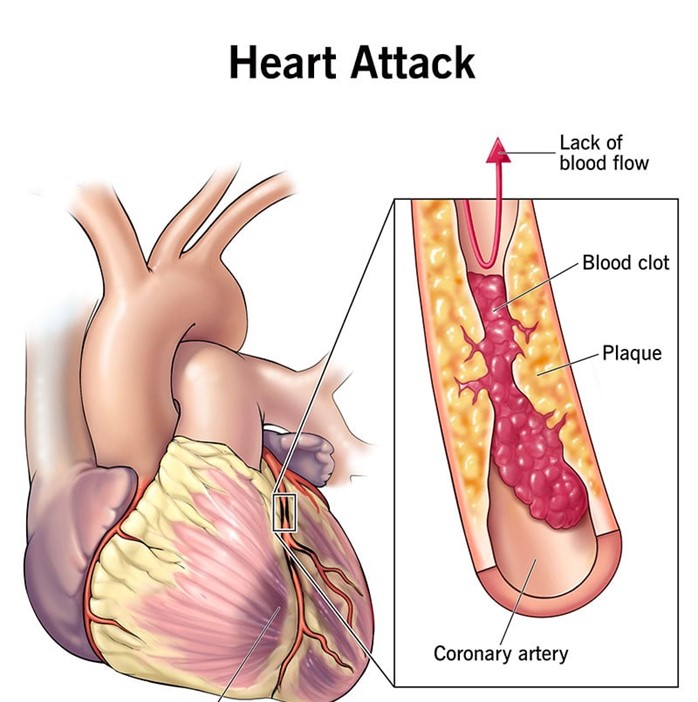
A 46-year-old male client who had a myocardial infarction (MI) 24 hours ago comes to the nurse's station fully dressed and wanting to go home. He tells the nurse that he is feeling much better at this time. Based on this behavior, which client problem should the nurse include in the plan of care?
Ineffective coping related to denial
Emotional conflict due to stress
Deficient knowledge of MI lifestyle changes
Anxiety related to treatment plan
The Correct Answer is A
Choice B reason: Emotional conflict due to stress is not a specific problem for a client who had an MI 24 hours ago and wants to go home despite his condition. Emotional conflict is a state of having mixed or contradictory feelings about something or someone, such as family, work, or self. Stress is a response to any physical, psychological, or environmental demand that exceeds one's coping resources. The nurse should assess the client's sources of stress and conflict and help him manage them.
Choice C reason: Deficient knowledge of MI lifestyle changes is not a primary problem for a client who had an MI 24 hours ago and wants to go home despite his condition. Deficient knowledge is a state of lacking information or understanding about something, such as disease process, treatment options, or self-care measures. Lifestyle changes are modifications in one's habits or behaviors that promote health and well-being, such as diet, exercise, smoking cessation, or stress management. The nurse should assess the client's learning needs and readiness and provide appropriate education.
Choice D reason: Anxiety related to treatment plan is not an evident problem for a client who had an MI 24 hours ago and wants to go home despite his condition. Anxiety is a feeling of apprehension, worry, or fear that interferes with one's normal functioning or well-being. Treatment plan is a set of goals, interventions, and outcomes that guide the care of a client with a specific health problem, such as MI. The nurse should assess the client's level of anxiety and provide information and reassurance about his treatment plan.
Nursing Test Bank
Naxlex Comprehensive Predictor Exams
Related Questions
Correct Answer is D
Explanation
Choice A: Client’s healthcare power of attorney. This is not the first information that the nurse should provide, as it does not address the current situation or problem of the client. The healthcare power of attorney is a legal document that designates who can make medical decisions for the client if they are unable to do so themselves.
Choice B: Currently prescribed medications. This is not the first information that the nurse should provide, as it does not address the current situation or problem of the client. The currently prescribed medications are a part of the background information that can help explain the client’s medical history and potential causes of confusion.
Choice C: Fall at home as reason for admission. This is not the first information that the nurse should provide, as it does not address the current situation or problem of the client. The fall at home is a part of the background information that can help explain the client’s reason for admission and potential injuries.
Choice D: Increasing confusion of the client. This is the first information that the nurse should provide, as it addresses the current situation or problem of the client. The increasing confusion of the client is a part of the assessment information that can help identify the urgency and severity of the issue and guide further interventions.
Correct Answer is C
Explanation
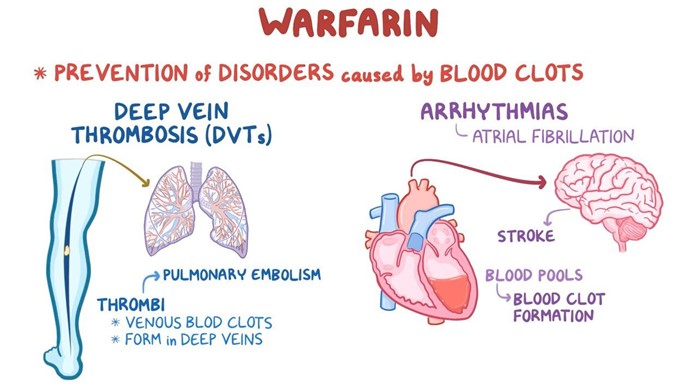
Choice A reason: Increasing the intake of dark green leafy vegetables while taking warfarin is not a good instruction because it can decrease the effectiveness of warfarin. Dark green leafy vegetables are rich in vitamin K, which is a coagulation factor that counteracts the anticoagulant effect of warfarin.
Choice B reason: Eating two servings of dark green leafy vegetables daily and continuing for 30 days after warfarin therapy is completed is not a good instruction because it can cause bleeding complications. Dark green leafy vegetables are rich in vitamin K, which is a coagulation factor that counteracts the anticoagulant effect of warfarin. Stopping warfarin while continuing to eat high amounts of vitamin K can increase the risk of clot formation and thromboembolism.
Choice D reason: Avoiding eating any foods that contain any vitamin K because it is an antagonist of warfarin is not a good instruction because it can cause bleeding complications. Dark green leafy vegetables are rich in vitamin K, which is a coagulation factor that counteracts the anticoagulant effect of warfarin. Eliminating vitamin K from the diet can increase the sensitivity to warfarin and cause excessive bleeding and bruising.
Whether you are a student looking to ace your exams or a practicing nurse seeking to enhance your expertise , our nursing education contents will empower you with the confidence and competence to make a difference in the lives of patients and become a respected leader in the healthcare field.
Visit Naxlex, invest in your future and unlock endless possibilities with our unparalleled nursing education contents today