
A 7-year-old child is admited to the hospital with a diagnosis of acute rheumatic fever. In obtaining a health history from the child's mother, the recent occurrence of which illness is most significant?
Mumps.
Chickenpox.
Sore throat.
Influenza.
The Correct Answer is C
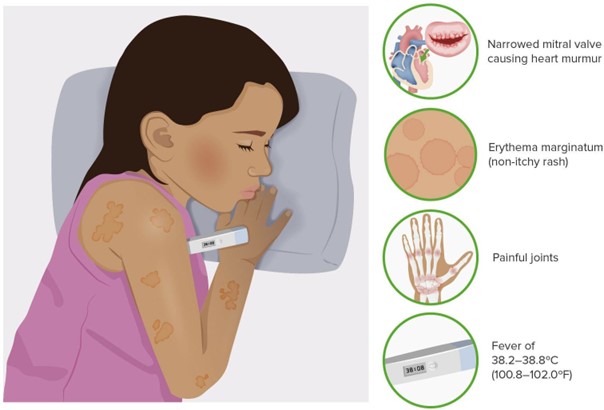
Acute rheumatic fever is a serious inflammatory condition that can develop after a streptococcal infection, particularly if the infection is not treated or resolved properly. The most common initial symptom of acute rheumatic fever is a sore throat, which is usually accompanied by a fever and swollen lymph nodes.
While mumps, chickenpox, and influenza are all infectious diseases, they are not directly linked to the development of acute rheumatic fever. However, a recent or untreated streptococcal infection (such as strep throat) can lead to the development of acute rheumatic fever.
Therefore, when obtaining a health history from a child with a diagnosis of acute rheumatic fever, it is most significant to inquire about recent or untreated sore throat, as this is the most likely cause of the condition.
Nursing Test Bank
Naxlex Comprehensive Predictor Exams
Related Questions
Correct Answer is D
Explanation
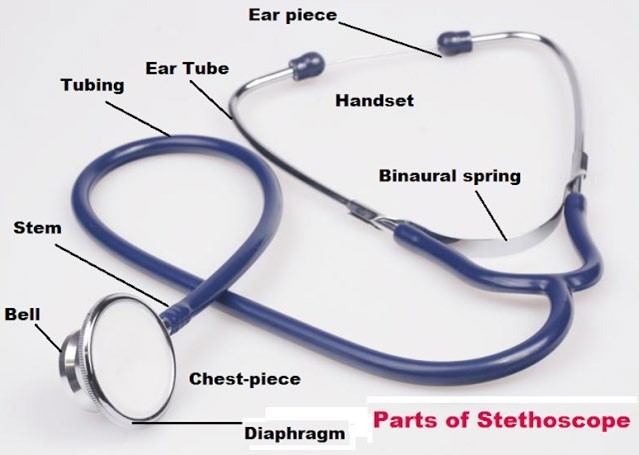
To ensure the cooperation of a preschooler during an assessment of lung sounds, the nurse can allow the child to use a stethoscope on a stuffed animal. This helps the child understand what is happening and feel more comfortable with the procedure. Having the child blow a cotton ball (A), placing a toy in the child's hands (B), and offering bubbles (C ) may distract the child but do not directly involve them in the procedure.
Correct Answer is A
Explanation
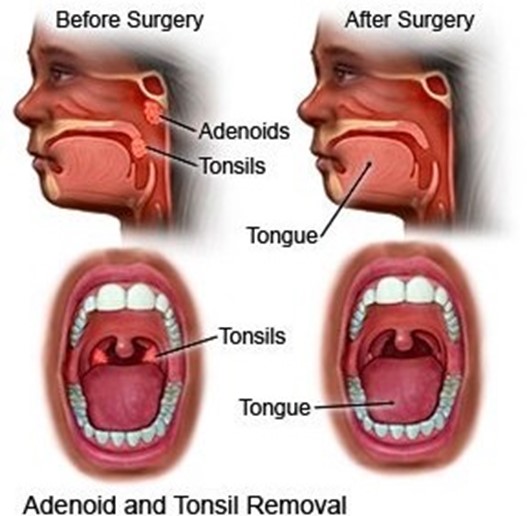
The nurse should inspect the posterior oropharynx of a child who is frequently swallowing after tonsillectomy to assess for bleeding or the presence of clots. Swallowing frequently can be a sign of postoperative bleeding, which is a potential complication of tonsillectomy.
Touching the tonsillar pillars to stimulate the gag reflex or asking the child to speak would not provide information about the presence of bleeding.
Assessing for teeth clenching or grinding is not related to this particular observation.
Whether you are a student looking to ace your exams or a practicing nurse seeking to enhance your expertise , our nursing education contents will empower you with the confidence and competence to make a difference in the lives of patients and become a respected leader in the healthcare field.
Visit Naxlex, invest in your future and unlock endless possibilities with our unparalleled nursing education contents today