
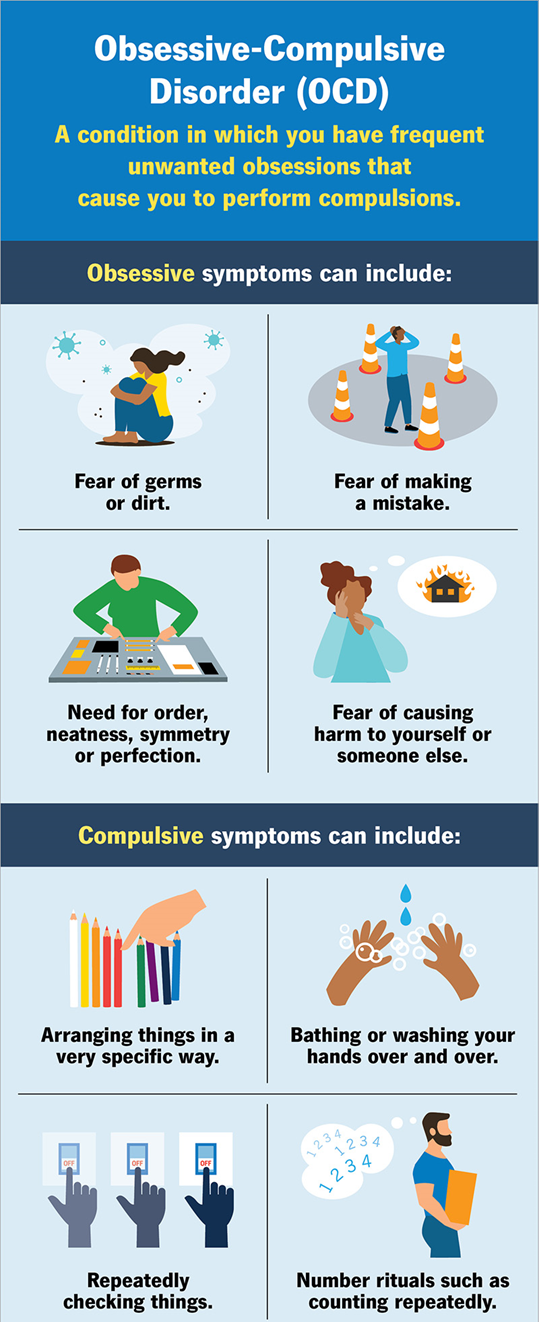
A client diagnosed with Obsessive-Compulsive Disorder has developed a number of compulsive washing rituals over the years. The nurse recognizes that these behavioral rituals serve which purpose?
Draws attention and approval from significant others.
Provides temporary and partial relief from anxiety.
Increases the inhibitory powers of their superego.
Blocks delusions and hallucinations from awareness.
The Correct Answer is B
Choice A Reason:
Draws attention and approval from significant others.
This statement is incorrect. Compulsive washing rituals in Obsessive-Compulsive Disorder (OCD) are not typically performed to draw attention or gain approval from others. Instead, these rituals are driven by an internal need to reduce anxiety and distress associated with obsessive thoughts. The primary function of these behaviors is to manage the individual’s own anxiety rather than to seek external validation.
Choice B Reason:
Provides temporary and partial relief from anxiety.
This is the correct response. Compulsive washing rituals in OCD are performed to alleviate the intense anxiety and distress caused by obsessive thoughts. Although the relief is temporary and partial, it reinforces the behavior, creating a cycle where the individual feels compelled to repeat the ritual to manage their anxiety. This temporary relief is a key characteristic of compulsive behaviors in OCD.
Choice C Reason:
Increases the inhibitory powers of their superego.
This statement is incorrect. The concept of the superego is related to Freud’s psychoanalytic theory, where it represents the internalized moral standards and ideals. Compulsive washing rituals in OCD are not performed to increase the inhibitory powers of the superego but rather to reduce anxiety and distress. The rituals are a response to obsessive thoughts rather than a means of enhancing moral inhibition.
Choice D Reason:
Blocks delusions and hallucinations from awareness.
This statement is incorrect. Delusions and hallucinations are more commonly associated with psychotic disorders, such as schizophrenia, rather than OCD. Compulsive washing rituals in OCD are not intended to block delusions or hallucinations but to manage anxiety related to obsessive thoughts. The focus of these rituals is on reducing distress rather than addressing psychotic symptoms.
Nursing Test Bank
Naxlex Comprehensive Predictor Exams
Related Questions
Correct Answer is D
Explanation
Choice A Reason:
“You should share this thought with your psychiatrist.”
This response suggests that the client should discuss their harmful thoughts with their psychiatrist. While it is important for the client to communicate openly with their mental health provider, this response does not directly address the nurse’s ethical and legal obligation to report threats of harm. The nurse has a duty to ensure the safety of others, and simply redirecting the client to another professional does not fulfill this responsibility. According to the Tarasoff rule, healthcare providers have a duty to warn potential victims if a client poses a credible threat.
Choice B Reason:
“I can make that promise to you based on nurse-client privilege.”
This statement is incorrect because nurse-client privilege does not extend to situations where there is a threat of harm to others. Confidentiality in healthcare is crucial, but it has limits, especially when it comes to preventing harm. Nurses are legally and ethically obligated to report any threats of violence or harm to appropriate authorities to protect potential victims. Making such a promise would be misleading and could result in serious consequences.
Choice C Reason:
“Those kinds of thoughts will make your hospitalization longer.”
This response is inappropriate as it focuses on the potential consequences for the client rather than addressing the immediate concern of a threat to another person’s safety. It may also discourage the client from being honest about their thoughts in the future. The primary responsibility of the nurse in this situation is to ensure the safety of the client and others, which involves reporting the threat to the appropriate authorities.
Choice D Reason:
“I cannot promise that. Confidentiality does not include plans to hurt others.”
This is the correct response. It clearly communicates to the client that while confidentiality is important, it does not cover plans to harm others. The nurse must explain that they are obligated to report any threats of violence to ensure the safety of potential victims. This response aligns with legal and ethical guidelines, which mandate that healthcare providers report credible threats of harm.
Correct Answer is B
Explanation
Choice A Reason:
Increase external stimuli.
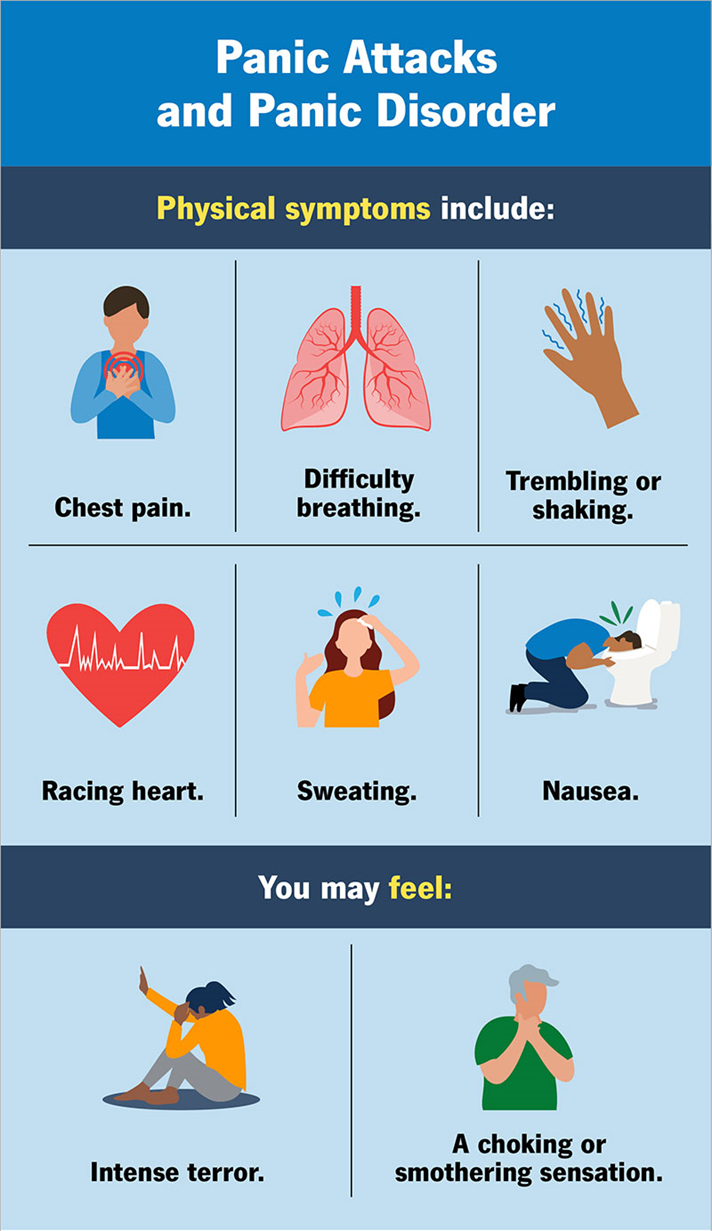
Increasing external stimuli is not appropriate during a panic attack. Panic attacks are characterized by intense fear and anxiety, often accompanied by physical symptoms such as rapid heartbeat, sweating, and shortness of breath. Increasing external stimuli can exacerbate these symptoms and heighten the client’s distress. The goal during a panic attack is to reduce stimuli and create a calming environment to help the client regain control.
Choice B Reason:
Stay with the client and speak to them in a calm manner.
This is the correct response. Staying with the client and speaking to them in a calm manner provides reassurance and helps to ground them during the panic attack. The presence of a calm and supportive nurse can help reduce the client’s anxiety and provide a sense of safety. This approach aligns with therapeutic communication techniques and is effective in managing acute anxiety episodes.
Choice C Reason:
Allow the client to have their requested space.
While it is important to respect a client’s need for space, leaving them alone during a panic attack may not be the best approach. Clients experiencing panic attacks may feel overwhelmed and frightened, and the presence of a supportive nurse can help them feel safer and more secure. It is important to balance the client’s need for space with the need for support and reassurance.
Choice D Reason:
Review the updated problem list with the client.
Reviewing the updated problem list is not appropriate during a panic attack. This action requires cognitive engagement and focus, which the client may not be capable of during an acute anxiety episode. The priority during a panic attack is to help the client calm down and manage their immediate symptoms, not to discuss or review problems.
\
Whether you are a student looking to ace your exams or a practicing nurse seeking to enhance your expertise , our nursing education contents will empower you with the confidence and competence to make a difference in the lives of patients and become a respected leader in the healthcare field.
Visit Naxlex, invest in your future and unlock endless possibilities with our unparalleled nursing education contents today