
A client is admitted for treatment of Addison's crisis. Which finding is most important for the practical nurse (PN) to report to the charge nurse? Reference Range: Glucose [Reference Range: 0 to 50 years: less than 140 mg/dL or less than 7.8 mmol/L].
The client reports feeling nauseous.
Has not voided in four hours.
IV infusion site is infiltrated
Serum glucose level of 85 mg/dL.
The Correct Answer is C
The correct answer is choice C - IV infusion site is infiltrated. Choice A rationale:
The client reports feeling nauseous. While this symptom should be monitored, it is not the most crucial finding to report for a client in Addison's crisis. Nausea can be a common symptom during various medical conditions and may not warrant immediate action.
Choice B rationale:
Has not voided in four hours. While monitoring urine output is important, it may not be the most critical finding in Addison's crisis. Other symptoms like electrolyte imbalances and
circulatory collapse is more concerning in this scenario.
Choice C rationale:
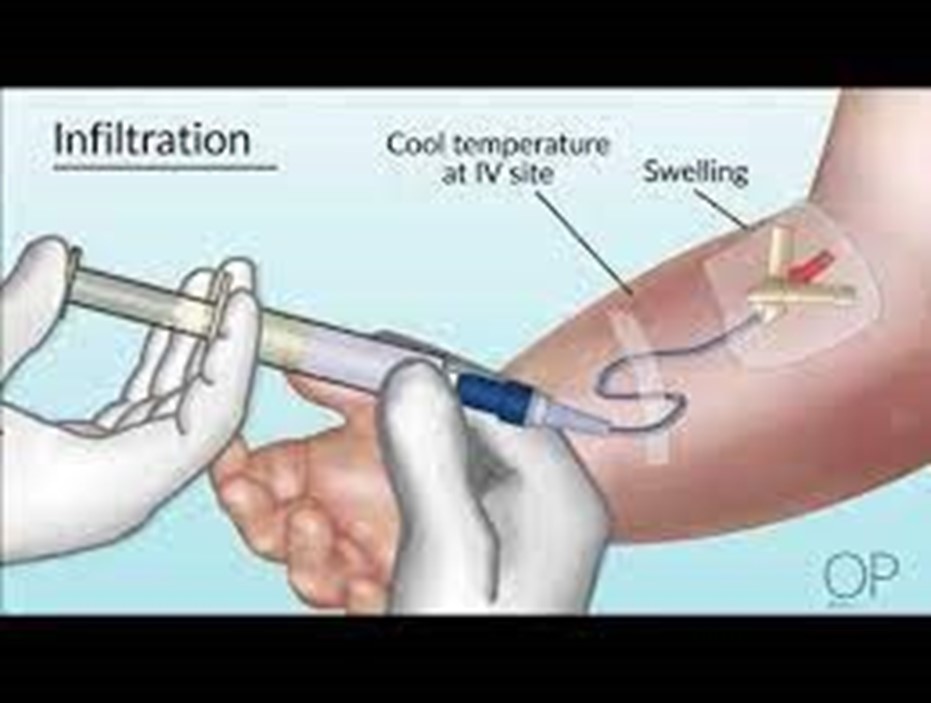
IV infusion site is infiltrated. In Addison's crisis, the client's condition may be precarious, and any complications with IV therapy could worsen the situation. It is essential to report this finding promptly to prevent further complications.
Choice D rationale:
A serum glucose level of 85 mg/dL. While monitoring glucose levels is essential in many situations, a glucose level of 85 mg/dL is within the reference range, which means it is not the most critical finding in Addison's crisis.
Nursing Test Bank
Naxlex Comprehensive Predictor Exams
Related Questions
Correct Answer is D
Explanation
The correct answer is choice D - Bilateral lung sounds.
Choice A rationale:
Heart sounds. While assessing heart sounds is crucial, the question specifically mentions complications of left-sided heart failure, which primarily affects the lungs. Therefore, assessing lung sounds is a higher priority in this situation.
Choice B rationale:
Mood and affect. While assessing the client's mood and affect is important for holistic care, it is not the most critical assessment to implement first in the case of left-sided heart failure complications.
Choice C rationale:
Chest pain. Although chest pain may be a symptom of left-sided heart failure complications, assessing bilateral lung sounds takes precedence as it directly relates to the client's respiratory status.
Choice D rationale:
Bilateral lung sounds. In left-sided heart failure, fluid can accumulate in the lungs, leading to pulmonary congestion and impaired gas exchange. Therefore, assessing lung sounds helps identify any respiratory distress early on, allowing prompt intervention and prevention of further complications.
Correct Answer is C
Explanation
The correct answer is choice C. Report the findings to the charge nurse. Choice A rationale:
Encouraging the client to drink fluids is not the priority in this situation. While hydration is important, the client's symptoms of muscle soreness, fatigue, and warm skin might indicate a potential adverse reaction to the statin medication, which requires immediate attention.
Choice B rationale:
Monitoring the client's serum lipid levels is not the priority at this moment. The client's current symptoms suggest a possible adverse reaction to the statin medication, and waiting for lipid level results may delay necessary interventions.
Choice C rationale:
Reporting the findings to the charge nurse is the priority action. The client's symptoms could be signs of rhabdomyolysis, a severe and potentially life-threatening condition where muscle breakdown releases toxic substances into the bloodstream. The charge nurse needs to be informed promptly so that appropriate interventions can be initiated.
Choice D rationale:
Administering a PRN dose of acetaminophen is not the priority in this situation. Acetaminophen may help with pain relief, but it will not address the potential underlying issue of muscle soreness and fatigue related to the statin medication.
Whether you are a student looking to ace your exams or a practicing nurse seeking to enhance your expertise , our nursing education contents will empower you with the confidence and competence to make a difference in the lives of patients and become a respected leader in the healthcare field.
Visit Naxlex, invest in your future and unlock endless possibilities with our unparalleled nursing education contents today