
The mother of a school-aged boy tells the practical nurse (PN) that he fell out of a tree and hurt his arm and shoulder. Which assessment should the practical nurse (PN) note as the most significant indicator of possible child abuse?
The injury description by the mother varies from the child's version.
The child looks at the floor when answering the nurse's questions.
The abrasions on the child's arms, legs, and chest have healed.
The mother describes in detail what she did for her injured child.
The Correct Answer is A
The injury description by the mother varies from the child's version.
Choice A rationale:
The practical nurse (PN) should note the significant indicator of possible child abuse, which is the discrepancy between the mother's description of the injury and the child's version. In cases of child abuse, perpetrators often provide inconsistent or conflicting explanations about how the injuries occurred, raising suspicion of maltreatment. This inconsistency can be a red flag for the PN to further assess the situation and, if necessary, report concerns to the appropriate authorities.
Choice B rationale:
While the child looking at the floor when answering questions might be a behavior worth noting, it alone is not a definitive indicator of child abuse. Children may exhibit various emotional responses for various reasons, and it requires further assessment to determine if there are signs of abuse.
Choice C rationale:
The healing of abrasions on the child's arms, legs, and chest does not necessarily indicate child abuse. Children are active and prone to minor injuries, which are a normal part of growing up. The PN should investigate further to determine the cause of the injuries.
Choice D rationale:
The mother describing in detail what she did for her injured child does not automatically suggest child abuse. It is essential for the PN to gather more information and conduct a comprehensive assessment before drawing any conclusions.
Nursing Test Bank
Naxlex Comprehensive Predictor Exams
Related Questions
Correct Answer is B
Explanation
The PN should not prioritize bringing a glucometer to the room in this situation. The client's unresponsiveness indicates a potential medical emergency that requires immediate action, and checking blood glucose levels is not the primary concern at this moment.
Choice C rationale:
Feeling for a carotid pulse is an essential step in assessing the client's circulation. However, it is not the first priority when the client is unresponsive. The PN should focus on obtaining emergency help first to ensure timely intervention.
Choice D rationale:
Checking the blood pressure can provide valuable information about the client's condition, but it is not the most critical step when dealing with an unresponsive client. Promptly seeking emergency assistance is more important to address the immediate concern.
Correct Answer is D
Explanation
This is the group of children that the PN should screen for scoliosis because they are at the highest risk of developing this condition. Scoliosis is a lateral curvature of the spine that usually occurs during the growth spurt before puberty. Girls are more likely than boys to have scoliosis, and the condition tends to worsen during adolescence.
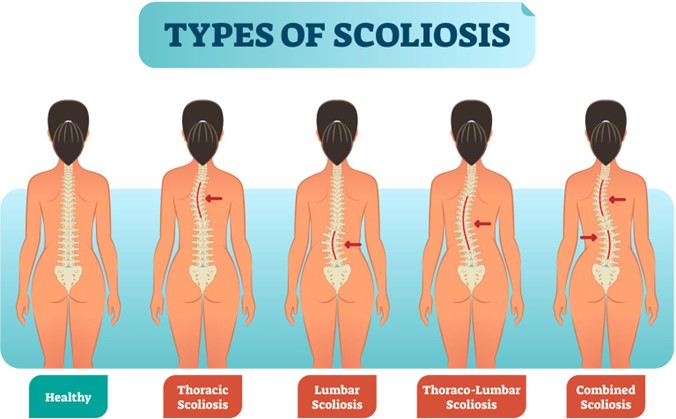
A. High school boys are not at high risk of scoliosis and do not need to be screened unless they have signs or symptoms of the condition.
B. High school girls are at lower risk of scoliosis than middle school girls because they have completed most of their growth spurt and their condition is less likely to progress.
C. Middle school boys are at lower risk of scoliosis than middle school girls because they have a slower growth rate and a later onset of puberty.
Whether you are a student looking to ace your exams or a practicing nurse seeking to enhance your expertise , our nursing education contents will empower you with the confidence and competence to make a difference in the lives of patients and become a respected leader in the healthcare field.
Visit Naxlex, invest in your future and unlock endless possibilities with our unparalleled nursing education contents today