
A client is scheduled for a spiral computed topography (CT) scan with contrast to evaluate for pulmonary embolism. Which information in the client’s history requires follow-up by the nurse?
CT scan that was performed 6 months earlier.
Takes metformin hydrochloride for type 2 diabetes.
Metal hip prosthesis was placed two years ago.
Report on client’s sobriety for the last five years.
The Correct Answer is B
Metformin is a medication that can affect kidney function. Since contrast dye used in CT scans is processed through the kidneys, it is important for the nurse to follow up on the client’s use of metformin before the CT scan with contrast. The client may need to temporarily stop taking metformin before and after the procedure to prevent any potential harm to their kidneys.
Nursing Test Bank
Naxlex Comprehensive Predictor Exams
Related Questions
Correct Answer is B
Explanation
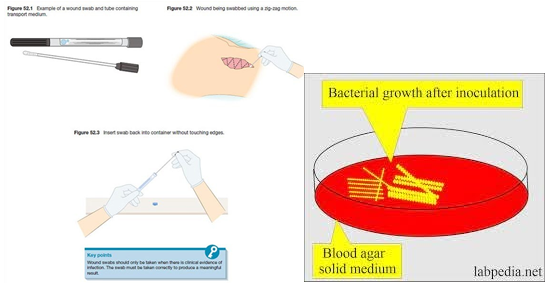
Before administering the first dose of any antibiotic, it is essential to obtain a culture and sensitivity test to identify the causative organism and determine the most effective antibiotic to use. Administering a broad- spectrum antibiotic before obtaining a culture and sensitivity test may lead to the development of antibiotic-resistant strains of bacteria, making it more difficult to treat the infection in the future.
Options a, c, and d are not as important as obtaining a culture and sensitivity test. Monitoring for signs of sodium and fluid retention, irrigation and topical antibiotic application to the wound area, and completing blood count and serum electrolytes are important, but obtaining a culture and sensitivity test is the priority.
Correct Answer is D
Explanation
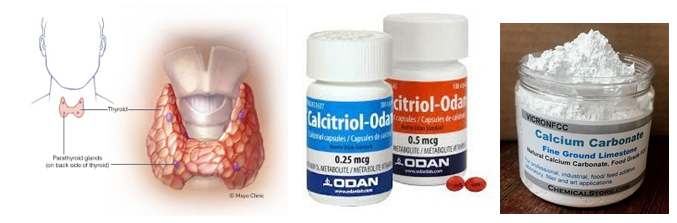
A total calcium level of 14 mg/dL (3.5 mmol/L) is higher than the normal range of 2.2 to 2.6 millimoles per liter (mmol/L)1. Calcitriol and calcium carbonate are both medications used to increase calcium levels in the blood2. Since the client’s calcium level is already high, it would be important for the nurse to hold both medications and contact the healthcare provider for further instructions.
Whether you are a student looking to ace your exams or a practicing nurse seeking to enhance your expertise , our nursing education contents will empower you with the confidence and competence to make a difference in the lives of patients and become a respected leader in the healthcare field.
Visit Naxlex, invest in your future and unlock endless possibilities with our unparalleled nursing education contents today