
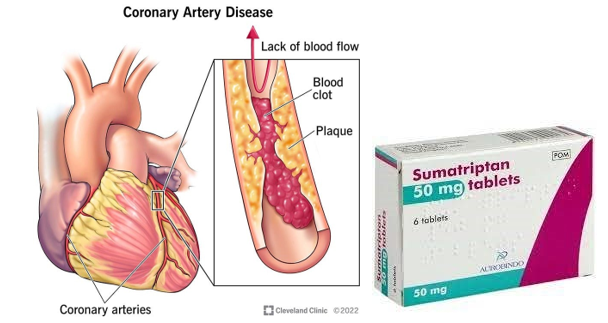
Before administering initial dose of sumatriptan succinate to a client with a migraine headache, it is most to determine if the client’s history includes which problem?
Type 2 diabetes mellitus.
Coronary artery disease.
Seasonal allergic rhinitis.
Irritable bowel syndrome
The Correct Answer is B
Sumatriptan succinate is a medication used to treat migraine headaches by narrowing blood vessels in the brain. It is important to determine if the client has a history of coronary artery disease before administering the initial dose because the medication can also cause narrowing of the coronary arteries and potentially lead to a heart attack or other cardiac events.
Type 2 diabetes mellitus (a), seasonal allergic rhinitis (c), and irritable bowel syndrome (d) are not directly related to the use of sumatriptan succinate. However, it is still important to consider the client's medical history and overall health status when prescribing or administering any medication.
Nursing Test Bank
Naxlex Comprehensive Predictor Exams
Related Questions
Correct Answer is B
Explanation
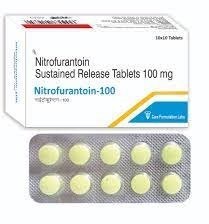
Nitrofurantoin is an antibiotic commonly used to treat urinary tract infections. One of the adverse effects of nitrofurantoin is diarrhea, which may be severe and watery. Therefore, it is important for the home care nurse to inform the client that the diarrhea may be a side effect of the medication and requires further evaluation. The nurse should instruct the client to stop taking the medication and contact their healthcare provider for further assessment and treatment. The nurse should also assess the client's fluid and electrolyte status and monitor for signs of dehydration.
Option a is important to consider, but it does not address the potential adverse effect of the medication.
Option c may be appropriate in some cases, but it is not the priority intervention at this time.
Option d is not necessarily true and may cause unnecessary alarm to the client.
Correct Answer is B
Explanation
Spironolactone is a potassium-sparing diuretic that works by blocking the actions of aldosterone, a hormone that can lead to potassium loss in the urine. However, in some cases, spironolactone can cause hyperkalemia (high levels of potassium in the blood), which can be dangerous for patients with heart failure. Therefore, it is important to instruct the patient to limit their intake of high-potassium foods such as bananas, oranges, tomatoes, spinach, and salt substitutes containing potassium.
Option a (Replace salt with a salt substitute) is incorrect because salt substitutes often contain potassium, which can further increase the risk of hyperkalemia.
Option c (Cover your skin before going outside) is unrelated to the use of spironolactone and hyperkalemia.
Option d (Monitor skin for excessive bruising) is not directly related to the use of spironolactone and hyperkalemia, although it is a potential side effect of other medications used to treat heart failure.

Whether you are a student looking to ace your exams or a practicing nurse seeking to enhance your expertise , our nursing education contents will empower you with the confidence and competence to make a difference in the lives of patients and become a respected leader in the healthcare field.
Visit Naxlex, invest in your future and unlock endless possibilities with our unparalleled nursing education contents today