
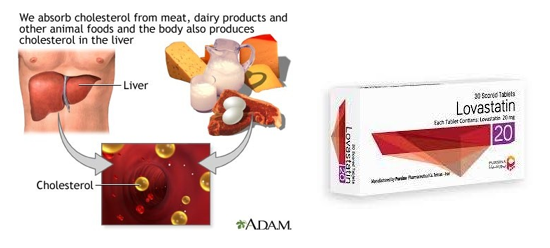
The health care provider prescribes the antilipemic lovastatin for a client who has exhibited a consistently elevated serum cholesterol level. In evaluating the client’s treatment regimen, which remark by the client indicates to the nurse that the client understands the drug’s treatment protocol?
As soon as my cholesterol is lowered, I can stop taking this drug.
I will avoid taking alcoholic beverages while am taking this medication.
Taking this drug will enable me to have more choices about what can eat.
I will have a white blood count drawn monthly to monitor tor development of an infection.
The Correct Answer is B
Lovastatin is an antilipemic medication used to lower cholesterol levels in the blood1. It is important for clients taking lovastatin to avoid drinking alcohol as it can increase the risk of liver problems. If the client remarks that they will avoid taking alcoholic beverages while taking this medication, it indicates that they understand the drug’s treatment protocol.
Nursing Test Bank
Naxlex Comprehensive Predictor Exams
Related Questions
Correct Answer is D
Explanation
A carbamazepine level of 8.4 mg/L is within the therapeutic range of 4-12 mg/L. The nurse should administer the evening dose of carbamazepine as prescribed. The nurse should continue to monitor the client’s carbamazepine levels and assess for any side effects of the medication.
Correct Answer is C
Explanation
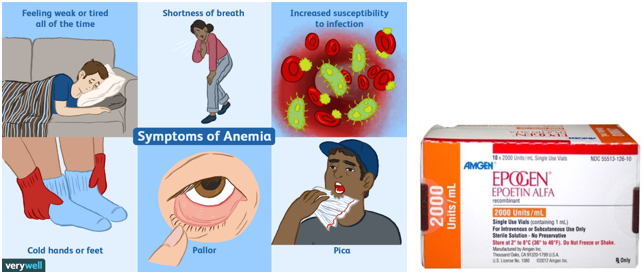
Epoetin alfa is a medication that stimulates the production of red blood cells and is commonly used to treat anemia in patients with chronic kidney disease. Hemoglobin level is the most important parameter to monitor the effectiveness of epoetin alfa therapy. An increase in hemoglobin level indicates an improvement in the patient's anemia and suggests that the medication is effective.
While options a, b, and d are also important considerations in the management of anemia, they do not provide a definitive indication of the effectiveness of epoetin alfa therapy. Reports of increased energy levels and decreased fatigue can be subjective and influenced by many factors. Taking concurrent iron therapy without adverse effects is important to support the production of red blood cells but does not confirm the effectiveness of epoetin alfa. Increased consumption of iron-rich foods can be helpful in managing anemia, but it does not provide a direct indication of the effectiveness of epoetin alfa therapy.
Whether you are a student looking to ace your exams or a practicing nurse seeking to enhance your expertise , our nursing education contents will empower you with the confidence and competence to make a difference in the lives of patients and become a respected leader in the healthcare field.
Visit Naxlex, invest in your future and unlock endless possibilities with our unparalleled nursing education contents today