
A client who is having gastrointestinal (GI) difficulties is undergoing diagnostic procedures.
The client asks the nurse about the difference between ulcerative colitis and Crohn's disease.
Which information should the nurse offer?
Anal abscess and fistula rarely occur in Crohn's disease.
Rectal bleeding is a predominant symptom in ulcerative colitis.
Constipation is more common in Crohn's disease.
Colitis and Crohn's disease don't involve chronic inflammation of the gastrointestinal tract
The Correct Answer is B
A) Incorrect- Anal abscesses and fistulas are more commonly associated with Crohn's disease than with ulcerative colitis. Crohn's disease can involve the entire thickness of the bowel wall and create tunnels or connections (fistulas) between different parts of the gastrointestinal tract.
B) Correct- Rectal bleeding is a common symptom of ulcerative colitis, as the inflamed tissue can bleed easily.
C) Incorrect- Constipation is not a common characteristic of Crohn's disease. In fact, both ulcerative colitis and Crohn's disease can lead to a range of bowel habits, including diarrhea and constipation, depending on the extent and location of inflammation.
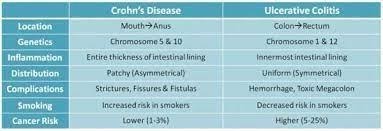
D) Incorrect- Both ulcerative colitis and Crohn's disease are inflammatory bowel diseases (IBD) that involve chronic inflammation of the gastrointestinal tract. Ulcerative colitis primarily affects the colon and rectum, causing continuous areas of inflammation and ulceration. Crohn's disease can affect any part of the gastrointestinal tract, from the mouth to the anus. It often involves patches of inflammation with healthy tissue in between, and it can affect different layers of the bowel wall.
Nursing Test Bank
Naxlex Comprehensive Predictor Exams
Related Questions
Correct Answer is C
Explanation
Delusions and loss of control can be distressing for the client and potentially disruptive to the unit environment. Moving the client to a quiet place helps create a calm and less stimulating environment, which can help reduce agitation and promote a sense of safety and security.
Using firmness and directing the client to sit for a while may escalate the situation and increase the client's distress. It is important to approach the client with empathy and provide a supportive environment rather than exerting control through firmness.
Suggesting the client take a walk or encouraging the client to use a punching bag may not be appropriate if the client is already displaying signs of agitation and losing control. These interventions may not address the underlying causes of the delusions and could potentially worsen the situation.
Correct Answer is B
Explanation
A) Incorrect- While it's important for UAPs to report changes in a client's condition, the immediate priority is to assess and address the deteriorating condition of the client. The nurse's first action should be to stop the current care being provided and assess the client.
B) Correct- In this situation, the priority is to ensure the safety and well-being of the client. The client's deteriorated condition needs to be assessed promptly by a licensed nurse to determine the appropriate interventions. Stopping the care being provided by the unlicensed assistive personnel (UAP) allows the nurse to focus on the client's immediate needs.
C) Incorrect- Administering oral medications is not the immediate priority in this situation. The client's deteriorating condition takes precedence over administering medications.
D) Incorrect- While investigating the situation and addressing communication gaps is important, the first priority is to assess and address the client's current condition. The nurse needs to take immediate action to ensure the client's safety and well-being.
Whether you are a student looking to ace your exams or a practicing nurse seeking to enhance your expertise , our nursing education contents will empower you with the confidence and competence to make a difference in the lives of patients and become a respected leader in the healthcare field.
Visit Naxlex, invest in your future and unlock endless possibilities with our unparalleled nursing education contents today