
A client with persistent low back pain has received a prescription for an electronic stimulator (TENS) unit. After the nurse applies the electrodes and turns on the power, the client reports feeling a tingling sensation. How should the nurse respond?
Remove electrodes and observe for skin redness.
Decrease the strength of the electrical signals.
Check the amount of gel coating on the electrodes.
Determine if the sensation feels uncomfortable.
The Correct Answer is D
A) Incorrect - Skin redness might indicate irritation, but the initial focus should be on the client's sensation.
B) Incorrect - Decreasing the strength of the electrical signals might be premature if the sensation is normal.
C) Incorrect - The amount of gel coating on the electrodes might not be the primary issue if the client is feeling a tingling sensation.
D) Correct- A tingling sensation is normal and expected when using a TENS unit, and it does not indicate any harm or damage to the skin or nerves. However, the sensation should not be painful or unpleasant for the client, and the nurse should adjust the intensity of the electrical signals accordingly.
Nursing Test Bank
Naxlex Comprehensive Predictor Exams
Related Questions
Correct Answer is C
Explanation
less than body requirements would be the nursing problem with the highest priority for an adolescent with anorexia nervosa. Anorexia nervosa is characterized by a severe restriction of food intake leading to a significantly low body weight, which can have serious physical and psychological consequences. Therefore, addressing the client's malnutrition and promoting adequate nutrition intake is crucial to prevent further complications.
Disturbed Body Image, Interrupted Family Processes, and Noncompliance with treatment regimen are important nursing problems to address, but they are secondary to the client's malnutrition.
Correct Answer is ["A","B","D","E"]
Explanation
A) Correct - Demonstrating the technique used to monitor blood glucose levels is crucial.
Incorrect technique can lead to inaccurate readings, impacting insulin dosing decisions and blood sugar control.
B) Correct - Some asthma medications, like corticosteroids, can elevate blood glucose levels.
Evaluating the client's asthma medications is essential as they can contribute to fluctuations in blood sugar levels.
C) Incorrect- Asking the client if they want a different manufacturer's glucose monitoring device is not helpful, because it does not address the underlying causes of the poor glycemic control. The client may also perceive this as a lack of confidence in their ability to manage their diabetes or as a criticism of their choice of device. The nurse should focus on educating the client on how to use their current device correctly and consistently, rather than suggesting a change that may not be necessary or feasible.
D) Correct - Understanding the client's daily routine helps identify factors influencing blood glucose control, such as meal timing, activity level, and stress. This information aids in creating a personalized diabetes management plan.
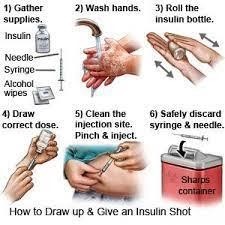
E) Correct - Ensuring the client uses a new insulin needle for each administration is important for preventing infection and complications. Reusing needles can affect injection site health and insulin absorption.
Whether you are a student looking to ace your exams or a practicing nurse seeking to enhance your expertise , our nursing education contents will empower you with the confidence and competence to make a difference in the lives of patients and become a respected leader in the healthcare field.
Visit Naxlex, invest in your future and unlock endless possibilities with our unparalleled nursing education contents today