
A doctor orders 0.1 mg of Synthroid (levothyroxine), and 50 mcg tablets are available.
How many tablets per dose should the nurse administer to this patient?
1 tablet
3 tablets
4 tablets
2 tablets
The Correct Answer is D
The nurse should administer 2 tablets per dose to this patient.
This answer is correct because it is based on a simple unit conversion and ratio and proportion calculation. The nurse can convert 0.1 mg to 100 mcg by multiplying by 1000, since there are 1000 mcg in 1 mg. Then, the nurse can set up a proportion as follows:
50 mcg / 1 tablet = 100 mcg / x tablets
Cross-multiplying and solving for x gives:
x = 2 tablets
Therefore, the nurse should administer 2 tablets of Synthroid to deliver 0.1 mg or 100 mcg of the medication to the patient.
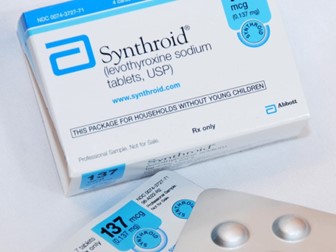
Nursing Test Bank
Naxlex Comprehensive Predictor Exams
Related Questions
Correct Answer is D
Explanation
This is a dosage calculation problem. To solve it, we need to use the formula:A
Desired dose ÷ Available dose × Available quantity = Quantity to give
In this case, the desired dose is 30 mg, the available dose is 20 mg/mL, and the available quantity is 1 mL. Plugging these values into the formula, we get:
30 ÷ 20 × 1 = 1.5
Therefore, the nurse should administer **1.5 mL** of liquid oxycodone hydrochloride to the patient.
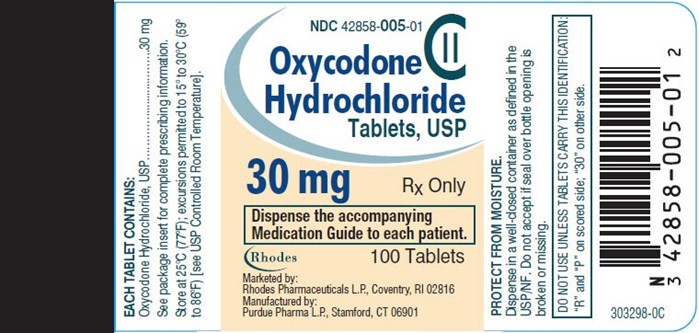
Correct Answer is D
Explanation
This answer is correct because it is based on a series of unit conversions and calculations. The nurse should follow these steps to provide safe medication to the child:
1) Convert the child's weight from pounds to kilograms by dividing by 2.2, since there are 2.2 lbs in 1 kg. The child weighs 20 kg.
2) Multiply the prescribed dose per kilogram by the child's weight in kilograms to get the total dose in milligrams. The child needs 40 mg of pyrimethamine.
3) Use the ratio given on the drug label to convert the total dose in milligrams to the volume in milliliters. The nurse can set up a proportion as follows:
1 mg / 5 mL = 40 mg / x mL
Cross-multiplying and solving for x gives:
x = 200 mL
Therefore, the nurse should administer 200 mL of medication to deliver 40 mg of pyrimethamine to the child.
4) Convert the volume in milliliters to the volume in teaspoons by dividing by 5, since there are 5 mL in 1 tsp. The nurse should administer 40 tsp of medication to the child.
5) Convert the volume in teaspoons to the volume in cups by dividing by 48, since there are 48 tsp in 1 cup. The nurse should administer 0.83 cups of medication to the child.
Whether you are a student looking to ace your exams or a practicing nurse seeking to enhance your expertise , our nursing education contents will empower you with the confidence and competence to make a difference in the lives of patients and become a respected leader in the healthcare field.
Visit Naxlex, invest in your future and unlock endless possibilities with our unparalleled nursing education contents today