
A female client assigned to a mental health unit visits with her significant other during the evening. After the significant other leaves, the nurse notices that the client is more isolative and refuses to attend the evening group. Which response by the nurse is most therapeutic?
"Would you like to talk for a little while?"
"I can see that you are feeling lonely."
"Tell me about the visit with your significant other."
"What did you enjoy about your visit tonight?"
The Correct Answer is A
Choice A Reason: This is correct because this response invites the client to express her feelings and thoughts without imposing any assumptions or judgments. It also conveys empathy and respect for the client's autonomy.
Choice B Reason: This is incorrect because this response makes an inference about the client's emotional state without validating it with her. It also may sound patronizing or pitying, which can hinder rapport.
Choice C Reason: This is incorrect because this response may be perceived as intrusive or prying, especially if the client is not ready or willing to share details about her personal relationship. It also may trigger negative emotions or memories that can worsen her mood.
Choice D Reason: This is incorrect because this response may be seen as superficial or irrelevant, especially if the client did not enjoy her visit or had a conflict with her significant other. It also may imply that the nurse is avoiding or dismissing the client's current feelings.
Nursing Test Bank
Naxlex Comprehensive Predictor Exams
Related Questions
Correct Answer is A
Explanation
Choice A reason: This is the correct action to take when the nurse hears loud Korotkoff sounds immediately after releasing the air valve. This indicates that the cuff was not inflated high enough to occlude the arterial blood flow and the initial systolic reading was inaccurate. The nurse should release the air, wait for 15 to 30 seconds, and then reinflate the cuff to 30 mm Hg above the first systolic sound. This will ensure a more accurate measurement of the blood pressure.
Choice B reason: This is not the correct action to take when the nurse hears loud Korotkoff sounds immediately after releasing the air valve. Continuing the blood pressure assessment until the last Korotkoff sound is heard will result in a lower systolic reading and a higher diastolic reading than the actual blood pressure of the client. The nurse should release the air and reinflate the cuff to 30 mm Hg above the first systolic sound.
Choice C reason: This is not the correct action to take when the nurse hears loud Korotkoff sounds immediately after releasing the air valve. Repositioning the stethoscope in the antecubital fossa over the palpable brachial pulse point will not change the fact that the cuff was not inflated high enough to occlude the arterial blood flow. The nurse should release the air and reinflate the cuff to 30 mm Hg above the first systolic sound.
Choice D reason: This is not the correct action to take when the nurse hears loud Korotkoff sounds immediately after releasing the air valve. Inflating the cuff quickly to a higher mm Hg reading than the previously auscultated systolic sound will cause discomfort and pain to the client and may damage the blood vessels. The nurse should release the air and reinflate the cuff to 30 mm Hg above the first systolic sound.
Correct Answer is C
Explanation
Choice A Reason: This is incorrect because regular exercise is a beneficial lifestyle modification for preventing and managing cardiac disease, but it is not the most important one. Smoking cessation has a greater impact on reducing the risk of cardiovascular events and mortality.
Choice B Reason: This is incorrect because stress reduction is a helpful lifestyle modification for preventing and managing cardiac disease, but it is not the most important one. Smoking cessation has a more direct effect on improving the function and structure of the blood vessels and heart.
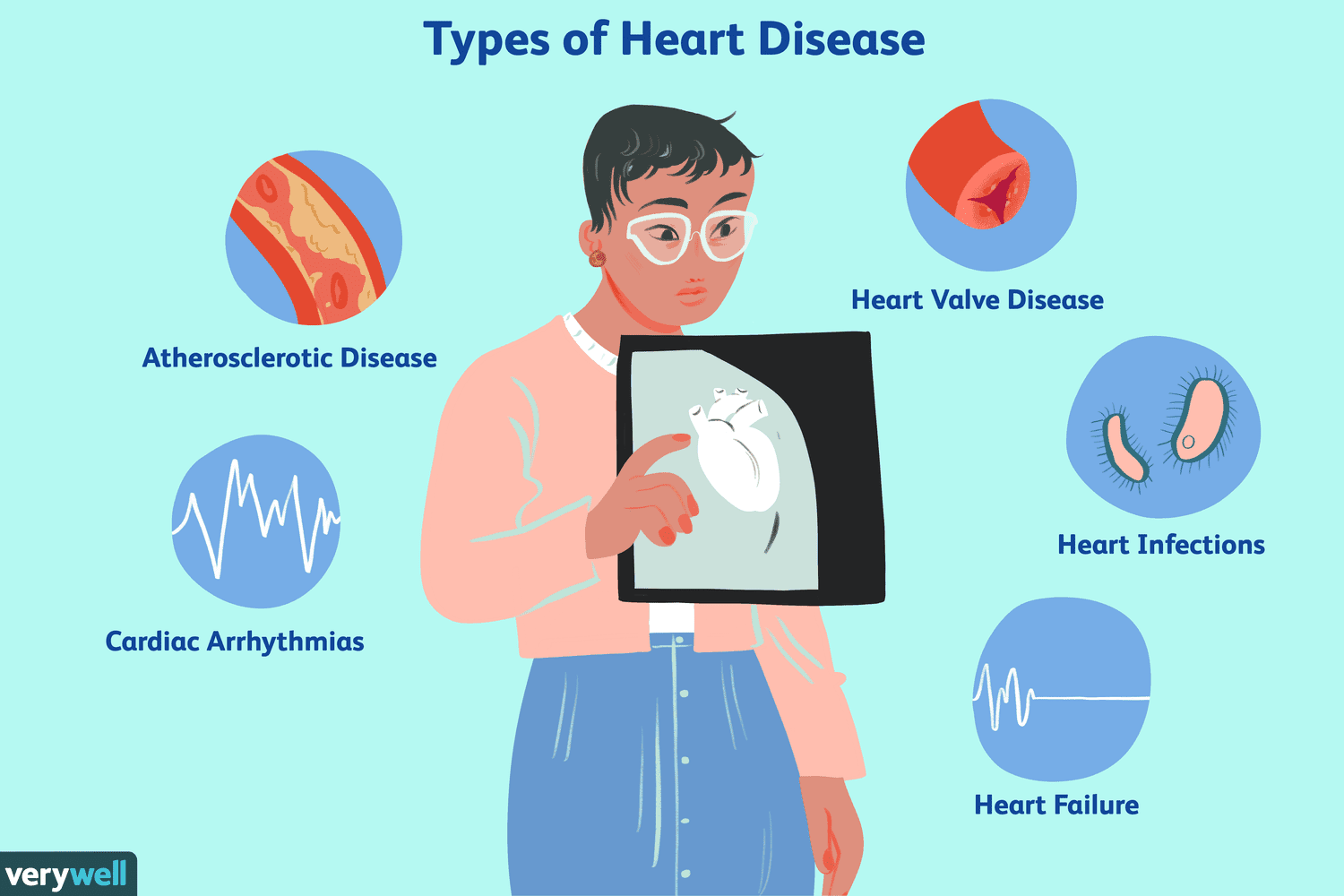
Choice C Reason: This is correct because smoking cessation is the most important lifestyle modification for preventing and managing cardiac disease, as smoking is a major modifiable risk factor that can cause atherosclerosis, hypertension, arrhythmias, thrombosis, and myocardial infarction.
Choice D Reason: This is incorrect because a low-fat diet is a useful lifestyle modification for preventing and managing cardiac disease, but it is not the most important one. Smoking cessation has a stronger influence on lowering the levels of cholesterol and inflammation in the blood.
Whether you are a student looking to ace your exams or a practicing nurse seeking to enhance your expertise , our nursing education contents will empower you with the confidence and competence to make a difference in the lives of patients and become a respected leader in the healthcare field.
Visit Naxlex, invest in your future and unlock endless possibilities with our unparalleled nursing education contents today