
A home health nurse is assessing a client who has AIDS. Which of the following responses by the client indicates a risk for suicide?
"I don't want to lose control of my ability to make decisions."
"I know that everything will be better soon."
"I am afraid of experiencing pain near the end."
"I am relying more and more on my partner for support."
The Correct Answer is C
The client's statement that they are afraid of experiencing pain near the end of life may indicate a risk for suicide, as it suggests that the client may be considering suicide as a way to avoid the anticipated pain. The other statements do not necessarily indicate a risk for suicide.
Statement a) may indicate a desire to maintain autonomy and control over their healthcare decisions.
Statement b) may indicate a hopeful attitude, which can be a protective factor against suicide.
Statement d) may indicate a reliance on social support, which can also be a protective factor against suicide.
Nursing Test Bank
Naxlex Comprehensive Predictor Exams
Related Questions
Correct Answer is D
Explanation
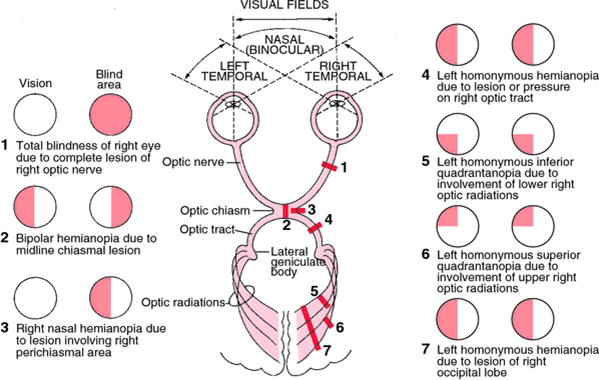
Hemianopsia is a visual field defect in which there is a loss of vision in half of the visual field of one or both eyes. It is a serious finding that can significantly impact a person's ability to perform daily activities and can indicate a neurological problem. The nurse should report this finding to the provider immediately to ensure prompt evaluation and management.
Conjunctivitis (A) is an inflammation of the conjunctiva and is not typically an urgent finding, although it may require treatment depending on the underlying cause.
Decreased near vision (B) is a common finding in older adults and can often be addressed with corrective lenses or other interventions. While it should be noted and addressed, it is not a priority finding that requires immediate reporting to the provider.
Increased sensitivity to glare (C) is also a common finding in older adults and can be addressed with interventions such as sunglasses or tinted lenses. While it should be noted and addressed, it is not a priority finding that requires immediate reporting to the provider.
Correct Answer is C
Explanation
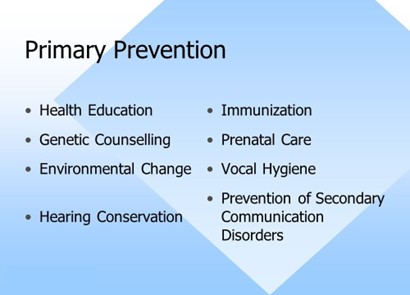
Primary prevention activities aim to prevent the onset of disease or injury. Monitoring the immunization status of students is a primary prevention activity because it helps to prevent the spread of infectious diseases that can cause serious illness and even death. By monitoring the immunization status of students, the school nurse can ensure that students are up-to-date on their vaccinations and can provide education and resources to parents and guardians who may have questions or concerns about immunizations.
Providing referrals for students who have asthma (A) and providing first aid for injured students (B) are both important activities that the school nurse should be prepared to do, but they are not primary prevention activities. These activities are considered secondary prevention because they aim to identify and treat health problems early before they become more severe.
Scheduling hearing screenings for each grade level (D) is a tertiary prevention activity because it aims to prevent complications and disability resulting from existing hearing problems.
Whether you are a student looking to ace your exams or a practicing nurse seeking to enhance your expertise , our nursing education contents will empower you with the confidence and competence to make a difference in the lives of patients and become a respected leader in the healthcare field.
Visit Naxlex, invest in your future and unlock endless possibilities with our unparalleled nursing education contents today