
A nurse at a rural clinic is interviewing a family who has different cultural beliefs than the nurse. The family reports seeing a folk healer. Which of the following statements should the nurse make?
"Alternative medicine practices can be dangerous and should be avoided."
"Many folk medicines treatments work by providing a placebo effect."
"I can refer you to a medical practitioner for your health care needs."
"Describe how you hope the treatments will affect your health."
The Correct Answer is D
This statement is open-ended and allows the family to discuss their beliefs and values related to their health and healing. It also allows the nurse to gain a better understanding of the family's cultural practices and provide culturally sensitive care.
Option A is incorrect because it is judgmental and can negatively impact the therapeutic relationship between the nurse and the family.
Option B is incorrect because it is dismissive of the family's beliefs and values and does not show respect for their cultural practices.
Option C is incorrect because it does not address the family's current health care needs or their beliefs about healing.
Nursing Test Bank
Naxlex Comprehensive Predictor Exams
Related Questions
Correct Answer is A
Explanation
According to the Centers for Disease Control and Prevention, motor vehicle crashes are the leading cause of death among adolescents aged 15-19 in the United States. Therefore, it is crucial for the school nurse to prioritize motor vehicle safety education, including the dangers of distracted driving, seatbelt and helmet use, and avoiding impaired driving.
Substance abuse prevention is also important, but it is not the leading cause of death for this age group.
Sports injury prevention and gun safety are also important topics, but they are not the leading cause of death for adolescents.
Correct Answer is B
Explanation
During the initial home visit, the nurse should establish rapport and build a trusting relationship with the client and his family.
Engaging the family in informal conversation allows the nurse to learn about the family's dynamics, routines, and preferences, as well as the client's interests and abilities. This information can be helpful in developing a care plan that is tailored to the client's and family's needs and goals.
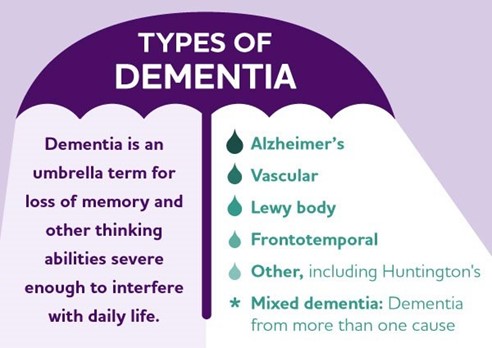
While educating the family about dementia and providing information about resources such as respite care and support groups is important, these actions should come after the nurse has established a rapport with the family and gained their trust.
Whether you are a student looking to ace your exams or a practicing nurse seeking to enhance your expertise , our nursing education contents will empower you with the confidence and competence to make a difference in the lives of patients and become a respected leader in the healthcare field.
Visit Naxlex, invest in your future and unlock endless possibilities with our unparalleled nursing education contents today