
A nurse accidentally administers the medication metformin instead of metoprolol to a client. Which of the following actions should the nurse take?
Check the client's glucose level.
Collect the client's uric acid level.
Obtain the client's HDL level.
Monitor the client's thyroid function levels.
The Correct Answer is A
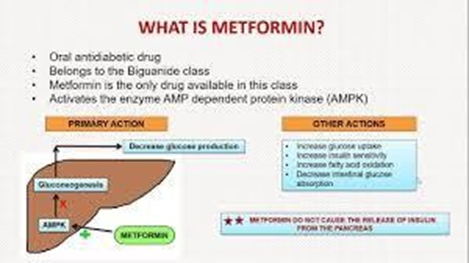
Choice A rationale: Metformin is an antidiabetic medication, and administering it instead of metoprolol may affect the client's glucose levels. Checking the glucose level would help assess the impact and guide further actions.
Choice B rationale: Uric acid levels are not directly affected by metformin or metoprolol.
Choice C rationale: HDL levels are not directly impacted by the accidental administration of metformin instead of metoprolol.
Choice D rationale: Thyroid function levels are not immediately impacted by the accidental administration of metformin instead of metoprolol.
Nursing Test Bank
Naxlex Comprehensive Predictor Exams
Related Questions
Correct Answer is B
Explanation
Choice A rationale: Nausea can be a common side effect of osmotic laxatives but may not directly indicate fluid volume deficit.
Choice B rationale: Oliguria (decreased urine output) can indicate fluid volume deficit in a client taking an osmotic laxative due to potential excessive fluid loss or dehydration.
Choice C rationale: Weight gain is not typically associated with fluid volume deficit; rather, it could indicate fluid retention.
Choice D rationale: Headaches might occur due to various reasons but might not directly indicate fluid volume deficit in this context.
Correct Answer is C
Explanation
Choice A rationale: Naloxone is primarily used to reverse opioid overdose.
Choice B rationale: Alprazolam is a benzodiazepine typically prescribed for anxiety disorders.
Choice C rationale: Bupropion is a medication used to aid smoking cessation by reducing nicotine cravings and withdrawal symptoms. It's among the commonly prescribed medications for individuals seeking to quit smoking.
Choice D rationale: Melatonin is a supplement used for regulating sleep cycles and isn't directly linked to smoking cessation.
Whether you are a student looking to ace your exams or a practicing nurse seeking to enhance your expertise , our nursing education contents will empower you with the confidence and competence to make a difference in the lives of patients and become a respected leader in the healthcare field.
Visit Naxlex, invest in your future and unlock endless possibilities with our unparalleled nursing education contents today