
A nurse is reviewing agency protocol prior to administering epoetin alfa to a client who has chronic kidney disease.
Which of the following actions should the nurse plan to take?
Discard the vial of medication if the solution is cloudy.
Shake the vial of medication to dissolve particulates.
Dilute the vial of medication with sterile water.
Thaw the medication in the vial 30 min before administration.
The Correct Answer is A
Discard the vial of medication if the solution is cloudy.
This is because epoetin alfa should not be used if it has been frozen or if it has changed color or has particles in it.
Choice B is wrong because the vial should not be shaken before use.
Choice C is wrong because epoetin alfa should not be diluted with sterile water or any other liquid.
Choice D is wrong because epoetin alfa should not be frozen and therefore does not need to be thawed before administration.
Nursing Test Bank
Naxlex Comprehensive Predictor Exams
Related Questions
Correct Answer is D
Explanation
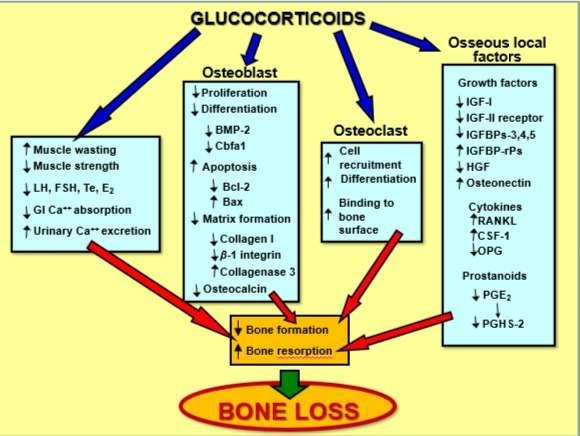
Prednisone is a corticosteroid that can be used to treat rheumatoid arthritis and other conditions by reducing inflammation and suppressing the immune system.
However, long-term use of prednisone can cause side effects, including bone loss.
Choice A is wrong because liver toxicity is not a common side effect of prednisone.
Choice B is wrong because hypoglycemia is not a common side effect of prednisone; instead, elevated blood sugar is a possible side effect.
Choice C is wrong because hemolytic anemia is not a common side effect of prednisone.
Correct Answer is B
Explanation
Warfarin is an oral anticoagulant medication and is not administered subcutaneously.
The nurse should clarify this prescription with the provider before administering it.
Choice A is wrong because tetracycline can be prescribed in doses of 1 g orally every 6 hours.
Choice C is wrong because Penicillin G can be prescribed in doses of 5,000,000 units intramuscularly every 4 hours.
Choice D is wrong because Zoledronate can be prescribed as a single intravenous dose of 5 mg.
Whether you are a student looking to ace your exams or a practicing nurse seeking to enhance your expertise , our nursing education contents will empower you with the confidence and competence to make a difference in the lives of patients and become a respected leader in the healthcare field.
Visit Naxlex, invest in your future and unlock endless possibilities with our unparalleled nursing education contents today