
A nurse in the emergency department is assessing a young adult client who was administered a hypotonic IV fluid bolus for rehydration after collapsing at an athletic event. Which of the following findings indicates the client is experiencing water intoxication?
Hypernatremia
Weak pulses
Muscle weakness
Exaggerated reflexes
The Correct Answer is C
Choice A reason: Hypernatremia is not a sign of water intoxication, but rather the opposite condition. Hypernatremia means high sodium levels in the blood, which can occur when the body loses more water than sodium, such as in dehydration, diabetes insipidus, or excessive salt intake. Water intoxication causes hyponatremia, which means low sodium levels in the blood, due to excessive water intake or retention.
Choice B reason: Weak pulses are not a specific sign of water intoxication, but rather a general sign of poor perfusion or circulation. Weak pulses can have many causes, such as hypotension, shock, heart failure, or peripheral vascular disease. Water intoxication can cause hypotension, but it can also cause hypertension, depending on the volume status of the client.
Choice C reason: Muscle weakness is a sign of water intoxication, as it reflects the effect of low sodium levels on the neuromuscular system. Sodium is essential for nerve and muscle function, as it helps generate electrical impulses and contractions. When sodium levels drop too low, the nerves and muscles become less responsive and weaker. Other signs of water intoxication affecting the nervous system include confusion, headache, seizures, and coma.
Choice D reason: Exaggerated reflexes are not a sign of water intoxication, but rather a sign of hyperreflexia, which is a condition of overactive reflexes. Hyperreflexia can have many causes, such as spinal cord injury, stroke, multiple sclerosis, or electrolyte imbalance. Water intoxication can cause electrolyte imbalance, but it usually leads to hyporeflexia, which is a condition of reduced or absent reflexes.
Nursing Test Bank
Naxlex Comprehensive Predictor Exams
Related Questions
Correct Answer is A
Explanation
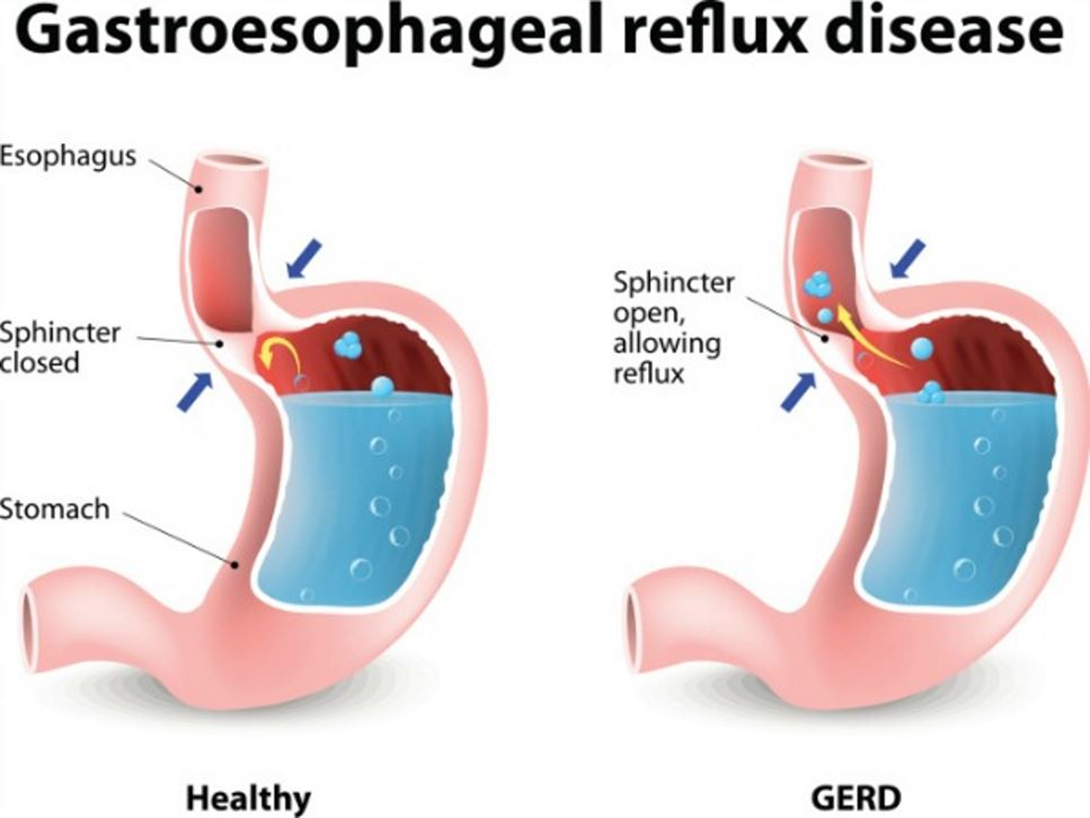
Choice A reason: Positioning the newborn at a 20-degree angle after feeding can help prevent the reflux of gastric contents into the esophagus. This position allows gravity to keep the food in the stomach and reduces the pressure on the lower esophageal sphincter. The nurse should instruct the parent to keep the newborn in this position for at least 30 minutes after each feeding.
Choice B reason: Diluting formula with 1 tablespoon of water is not recommended, as it can cause water intoxication, electrolyte imbalance, and malnutrition in the newborn. Water intoxication can lead to seizures, coma, and death. The nurse should advise the parent to follow the manufacturer's instructions for preparing the formula and not to add extra water.
Choice C reason: Placing the newborn in a side-lying position if vomiting is not a safe practice, as it can increase the risk of aspiration and sudden infant death syndrome (SIDS). Aspiration is when food or liquid enters the lungs and causes pneumonia or respiratory distress. SIDS is when a healthy baby dies suddenly and unexpectedly during sleep. The nurse should instruct the parent to place the newborn on the back for sleeping and to avoid soft bedding, pillows, and stuffed animals.
Choice D reason: Providing a small feeding just before bedtime is not a good idea, as it can worsen the gastroesophageal reflux and disrupt the newborn's sleep. The nurse should suggest the parent to feed the newborn smaller and more frequent meals throughout the day and to avoid feeding the newborn within 2 to 3 hours of bedtime.
Correct Answer is B
Explanation
Choice A reason: Diabetes mellitus is not a likely complication of malnutrition, as it is caused by insufficient insulin production or action, not by inadequate food intake. Malnutrition may worsen the outcomes of diabetes, but it does not cause it.
Choice B reason: Pressure injury is a common complication of malnutrition, as it is caused by impaired tissue perfusion and oxygenation due to poor nutrition. Malnutrition can lead to loss of muscle mass, subcutaneous fat, and skin integrity, which increase the risk of developing pressure ulcers.
Choice C reason: Heat intolerance is not a direct complication of malnutrition, as it is caused by impaired thermoregulation due to hormonal or neurological disorders, not by insufficient food intake. Malnutrition may affect the body's ability to cope with heat stress, but it does not cause it.
Choice D reason: Gastroesophageal reflux disease (GERD) is not a typical complication of malnutrition, as it is caused by the backflow of gastric contents into the esophagus due to a weak or incompetent lower esophageal sphincter, not by inadequate food intake. Malnutrition may aggravate the symptoms of GERD, but it does not cause it.
Whether you are a student looking to ace your exams or a practicing nurse seeking to enhance your expertise , our nursing education contents will empower you with the confidence and competence to make a difference in the lives of patients and become a respected leader in the healthcare field.
Visit Naxlex, invest in your future and unlock endless possibilities with our unparalleled nursing education contents today