
A nurse in the emergency department is receiving report on a group of clients. Which of the following clients should the nurse assess first?
A client who has Clostridium difficile and a temperature of 38.6° C (101.5° F)
A client who has a complete femur fracture and reports a pain level of 7 on a scale from 0 to 10
A client who has left shoulder pain and S-T elevation on a 12-lead ECG
A client who has orthostatic hypotension and 4+ pitting edema in the lower extremities
The Correct Answer is C
A. While a temperature elevation in a client with Clostridium difficile requires assessment, it is not as urgent as potential cardiac ischemia.
B. Pain assessment in a client with a femur fracture is important but does not take priority over potential cardiac issues.
C. Left shoulder pain with S-T elevation on an ECG can indicate myocardial infarction (MI), a life-threatening condition requiring immediate assessment and intervention.
D. Orthostatic hypotension and pitting edema, while concerning, do not indicate an acute, life-threatening condition that requires immediate assessment in this scenario.
Nursing Test Bank
Naxlex Comprehensive Predictor Exams
Related Questions
Correct Answer is {"dropdown-group-1":"A","dropdown-group-2":"B"}
Explanation
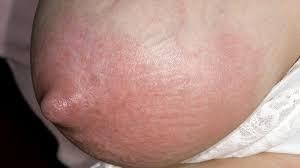
Mastitis is a breast infection that can occur in breastfeeding women. It causes inflammation, pain, redness, and sometimes fever and pus in the affected breast. One of the risk factors for mastitis is nipple trauma, such as cracks or fissures, that can allow bacteria to enter the breast tissue.
Correct Answer is D
Explanation
A. Potatoes do not contain significant levels of tyramine and are generally safe to consume with MAOIs.
B. Grapefruit does not contain significant levels of tyramine and are generally safe to consume with MAOIs.
C. Eggs do not contain significant levels of tyramine and are generally safe to consume with MAOIs.
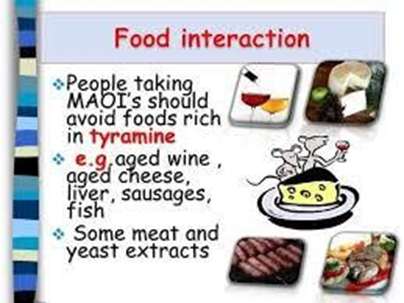
D. MAOIs (Monoamine Oxidase Inhibitors) require dietary restrictions to avoid tyramine, which is found in high levels in aged cheeses. High tyramine intake while on MAOIs can lead to hypertensive crises.
Whether you are a student looking to ace your exams or a practicing nurse seeking to enhance your expertise , our nursing education contents will empower you with the confidence and competence to make a difference in the lives of patients and become a respected leader in the healthcare field.
Visit Naxlex, invest in your future and unlock endless possibilities with our unparalleled nursing education contents today