
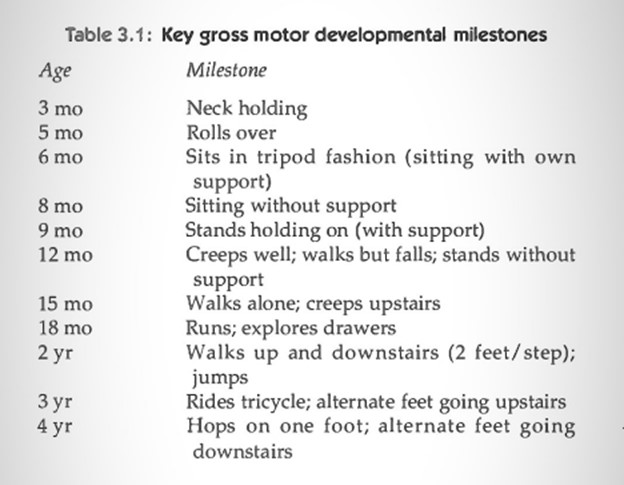
A nurse is assessing a 15-month-old toddler. Which of the following findings should the nurse report to the provider?
The toddler cannot jump with both feet.
The toddler cannot build a tower of six to seven cubes
The toddler cannot stand upright without support
The toddler cannot turn a doorknob
The Correct Answer is C
By 15 months of age, toddlers typically develop the ability to stand and maintain balance without support. This milestone is an important indicator of gross motor development. Not being able to stand upright without support at this age may suggest a delay or impairment in motor skills, and further evaluation may be needed to determine the underlying cause.
The other findings mentioned—difficulty jumping with both feet, inability to build a tower of six to seven cubes, and inability to turn a doorknob—are within the expected range of development for a 15-month-old toddler. While some children may already demonstrate these skills, others may acquire them later in their developmental journey. It is important to consider individual variations in development, but the inability to stand without support should be further assessed.
Nursing Test Bank
Naxlex Comprehensive Predictor Exams
Related Questions
Correct Answer is A
Explanation
This is an evidence-based recommendation to reduce the risk of SIDS. The American Academy of Pediatrics (AAP) recommends placing infants on their back for sleep as the safest sleep position. This position has been shown to significantly reduce the incidence of SIDS. The nurse should emphasize the importance of following safe sleep practices, including placing the baby on their back, providing a firm and safe sleep surface, keeping the sleep area free of soft bedding or objects, and avoiding overheating.
Correct Answer is B
Explanation
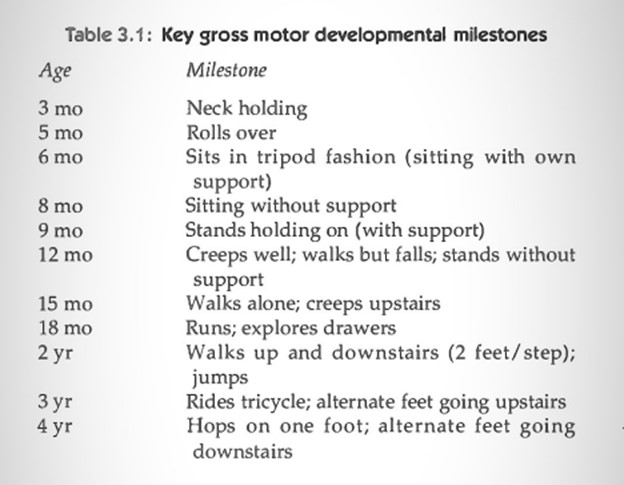
At 10 months of age, most infants should be able to sit steadily without support. If the infant is unable to sit without support or shows difficulty maintaining balance while sitting, it may indicate a developmental delay or potential motor coordination issues. It is important to report this finding to the healthcare provider for further evaluation and appropriate intervention if necessary.
Whether you are a student looking to ace your exams or a practicing nurse seeking to enhance your expertise , our nursing education contents will empower you with the confidence and competence to make a difference in the lives of patients and become a respected leader in the healthcare field.
Visit Naxlex, invest in your future and unlock endless possibilities with our unparalleled nursing education contents today