
A nurse is assessing a 7-month-old infant who has Down syndrome. Which of the following developmental milestones should the nurse expect?
Uses a spoon
Crawls short distances
Speaks five to eight words
Stands with assistance
The Correct Answer is B
Choice A rationale:
A 7-month-old infant with Down syndrome is less likely to use a spoon.
Choice B rationale:
Crawling short distances is a developmental milestone that can be expected at this age.
Choice C rationale:
Speaking five to eight words is not an appropriate milestone for a 7-month-old infant.
Choice D rationale:
Standing with assistance usually occurs around 9-12 months, which might be delayed in infants with Down syndrome.
Nursing Test Bank
Naxlex Comprehensive Predictor Exams
Related Questions
Correct Answer is C
Explanation
Choice A rationale:
Ankle swelling can be a common symptom of pregnancy and is not necessarily indicative of a complication.
Choice B rationale:
Gums can become more sensitive during pregnancy, leading to bleeding while brushing teeth. This finding is common and not necessarily indicative of a complication.
Choice C rationale:
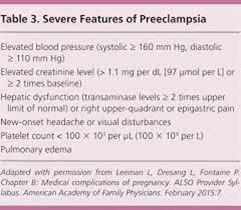
Constant pain in the middle of the upper abdomen can be a sign of preeclampsia, a serious pregnancy complication that requires prompt medical attention.
Choice D rationale:
Feeling dizzy when lying flat on the back (supine hypotension) can be a common discomfort during pregnancy due to pressure on the vena cava. However, it does not necessarily indicate a complication in this context.
Correct Answer is C
Explanation
Choice A rationale:
Comfrey is not commonly recommended as an herbal supplement for menopausal symptoms. It has been associated with potential liver toxicity.
Choice B rationale:
Ginkgo biloba is often used to improve cognitive function and circulation but is not typically used to address menopausal symptoms.
Choice C rationale:
Black cohosh is an herbal supplement that is commonly used by middle-aged women to help alleviate symptoms related to menopause, such as hot flashes and mood swings. Black cohosh may also have some benefits for bone health and cardiovascular health. However, black cohosh may also have some side effects and interactions with other medications, so the nurse should advise the women to consult their health care providers before taking it.
Choice D rationale:
Garlic is not typically used as an herbal supplement to manage menopausal symptoms; it is more commonly known for its potential cardiovascular benefits.
Whether you are a student looking to ace your exams or a practicing nurse seeking to enhance your expertise , our nursing education contents will empower you with the confidence and competence to make a difference in the lives of patients and become a respected leader in the healthcare field.
Visit Naxlex, invest in your future and unlock endless possibilities with our unparalleled nursing education contents today