
A nurse is assessing a client who has myxedema. Which of the following findings should the nurse expect?
Tachycardia.
Diarrhea.
Facial edema.
Heat intolerance.
The correct answer is c) Facial edema.
The Correct Answer is C
Choice A reason:
Tachycardia, or an abnormally rapid heart rate, is not a typical finding in myxedema. Myxedema is associated with hypothyroidism, which usually presents with bradycardia, or a slower than normal heart rate, due to the decreased metabolic demands on the body.
Choice B reason:
Diarrhea is not commonly associated with myxedema. Instead, patients with hypothyroidism and myxedema often experience constipation due to slowed gastrointestinal motility.
Choice C reason:
Facial edema, particularly around the eyes, is a classic sign of myxedema. Myxedema is a severe form of hypothyroidism that can cause mucopolysaccharide deposition in the skin, leading to non-pitting edema. This can be particularly noticeable in the face and periorbital area.
Choice D reason:
Heat intolerance is more commonly associated with hyperthyroidism, not hypothyroidism. Patients with myxedema typically have cold intolerance due to a decrease in basal metabolic rate and reduced heat production.
Nursing Test Bank
Naxlex Comprehensive Predictor Exams
Related Questions
Correct Answer is A
Explanation
Choice A reason:
The primary purpose of health assessment is to collect, analyze, and interpret data to identify the patient’s health status and needs, as well as to develop and implement appropriate nursing interventions to address these needs. It is a systematic process that is fundamental in promoting the health and well-being of patients. This involves a comprehensive evaluation of the patient's physical, psychological, and social health. Gathering this information is crucial for creating a care plan that addresses the individual needs of the client.
Choice B reason:
While health assessments can aid physicians in diagnosing illness, they are not solely for the purpose of diagnosis without further testing. Health assessments may indicate the need for additional tests to confirm a diagnosis. The nurse's role includes supporting the diagnostic process, but it is not the primary purpose of health assessment.
Choice C reason:
Health assessments are not meant to be subjective or based on the nurse's personal views and beliefs. The assessments are conducted to objectively determine the health status of a client, which then informs evidence-based practice and care planning. Personal biases should not influence the management of a client's illness.
Choice D reason:
Making judgments about a client's lifestyle and behaviors is not the primary purpose of health assessment. While lifestyle and behaviors may be assessed as part of understanding the client's overall health status, the goal is not to judge but to understand how these factors may impact the client's health and to provide education and support for healthy changes if needed.
Correct Answer is B
Explanation
Choice A Reason:
An ophthalmoscope is primarily used for examining the interior structures of the eye, such as the retina, and is not typically used for assessing near vision. It provides a view of the fundus of the eye, which is essential for diagnosing various eye conditions but does not directly assess a patient's reading or close-up vision.
Choice B Reason:
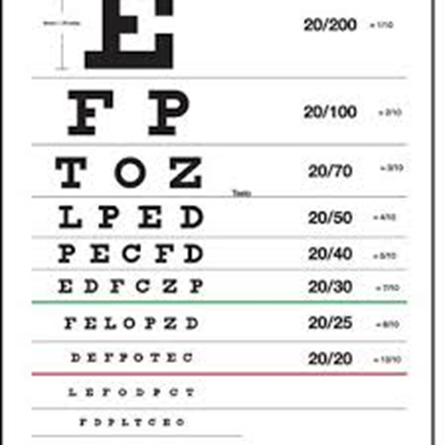
The Snellen Chart is traditionally used to measure distance visual acuity and would not be the first choice for assessing near vision. However, there are versions of the Snellen Chart or similar charts designed for near vision assessment, typically held at a reading distance of about 14 inches from the patient. These charts have rows of letters or symbols that decrease in size and are used to determine the smallest print size a person can read.
Choice C Reason:
A magazine can be a practical tool for assessing near vision informally, as it contains various sizes of print and is a good representation of everyday reading material. The nurse can ask the patient to read a specific paragraph to observe their ability to see and comprehend text at a close distance.
Choice D Reason:
A penlight is not used for assessing near vision. It is typically used to assess the pupillary light reflex or to illuminate specific areas of the eye during an examination. The penlight helps to evaluate the response of the pupils to light but does not measure the patient's ability to read or see objects up close.
Whether you are a student looking to ace your exams or a practicing nurse seeking to enhance your expertise , our nursing education contents will empower you with the confidence and competence to make a difference in the lives of patients and become a respected leader in the healthcare field.
Visit Naxlex, invest in your future and unlock endless possibilities with our unparalleled nursing education contents today