
A nurse is assessing a client who is preoperative and reports an allergy to bananas.
The nurse should recognize that the client is at risk for an allergic cross-reactivity to which of the following substances?
Latex.
Anesthetics.
Povidone-iodine.
Adhesive tape.
The Correct Answer is A
A banana allergy is often connected to a latex allergy.
This is because some of the proteins in the rubber trees that produce latex are known to cause allergies, and they are similar to the proteins found in some nuts and fruits, including bananas.
This syndrome is known as latex-food syndrome or latex-fruit allergy.
Choice B is not the answer because there is no known cross-reactivity between bananas and anesthetics.
Choice C is not the answer because there is no known cross-reactivity between bananas and povidone-iodine.
Choice D is not the answer because there is no known cross-reactivity between bananas and adhesive tape.
Nursing Test Bank
Naxlex Comprehensive Predictor Exams
Related Questions
Correct Answer is A
Explanation
Acupuncture is commonly used to treat a wide range of illnesses and ailments including pain management, control of nausea and vomiting, fatigue, hot flashes, xerostomia, neuropathy, anxiety, depression, and sleep disturbance in cancer patients.
However, I could not find any information that suggests mouth sores (B), headaches, or urticaria (D) are contraindications for acupuncture.
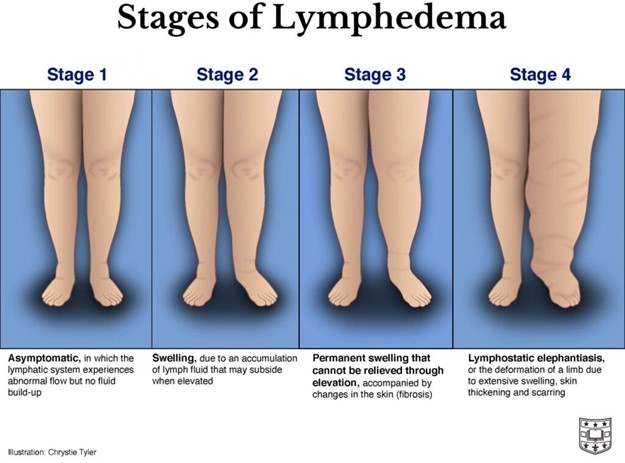
Lymphedema is a contraindication for acupuncture because it can increase the risk of infection in the affected area.
It is important for the nurse to identify this as a contraindication to receiving acupuncture therapy.
Correct Answer is C
Explanation
A saw-tooth pattern with an atrial rate of 250 to 400/min is a characteristic finding on a cardiac rhythm strip of a client who has atrial flutter.
Choice A is incorrect because progressively longer PR durations are characteristic of a Mobitz type I second-degree AV block, not atrial flutter.
Choice B is incorrect because undetectable P waves are characteristic of atrial fibrillation, not atrial flutter.
Choice D is incorrect because absent PR intervals with a ventricular rate of 40 to 60/min are characteristic of third-degree AV block, not atrial flutter.
Whether you are a student looking to ace your exams or a practicing nurse seeking to enhance your expertise , our nursing education contents will empower you with the confidence and competence to make a difference in the lives of patients and become a respected leader in the healthcare field.
Visit Naxlex, invest in your future and unlock endless possibilities with our unparalleled nursing education contents today