
A nurse is planning care for an older adult client who has Ménière's disease.
Which of the following interventions should the nurse include in the plan?
Encourage the client to change positions slowly.
Perform range-of-motion exercises to the client's neck every 4 hours.
Administer aspirin if the client reports a headache.
Limit the client's fluid intake to 1,500 mL per day.
The Correct Answer is A
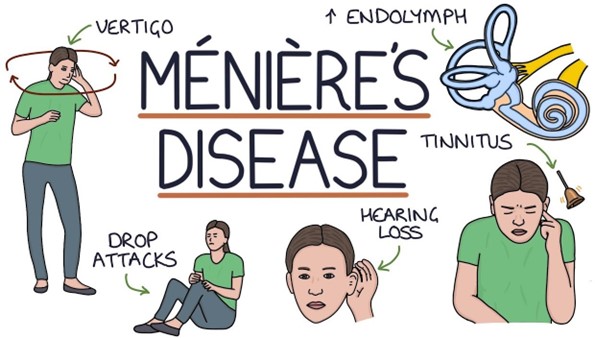
This can help prevent dizziness and loss of balance, which are common symptoms of Ménière’s disease.
Choice B is not correct because range-of-motion exercises to the client’s neck every 4 hours are not a standard intervention for Ménière’s disease.
Choice C is not correct because aspirin is not always the recommended medication for headaches associated with Ménière’s disease.
Choice D is not correct because limiting fluid intake is not a standard intervention for Ménière’s disease.
Nursing Test Bank
Naxlex Comprehensive Predictor Exams
Related Questions
Correct Answer is B
Explanation
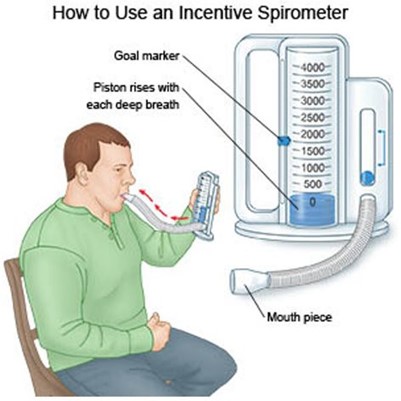
After inhaling deeply using an incentive spirometer, you should hold your breath for 3 to 5 seconds before exhaling.
Choice A is wrong because exhaling slowly through pursed lips is not an instruction for using an incentive spirometer.
Choice C is wrong because placing hands on the upper abdomen during inhalation is not an instruction for using an incentive spirometer.
Choice D is wrong because positioning the mouthpiece.5 cm (1 in) from the mouth is not an instruction for using an incentive spirometer.
Correct Answer is B
Explanation
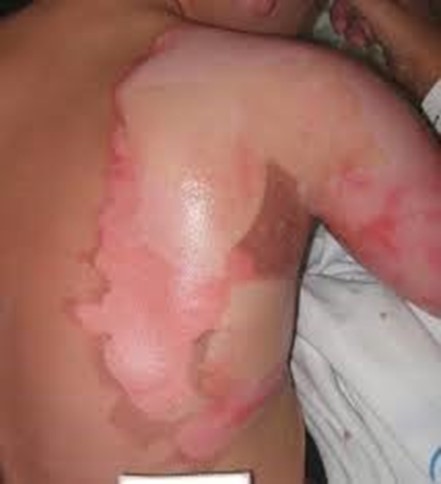
A full-thickness burn injury can result in fluid loss and low blood volume (hypovolemia), which can lead to hypotension.
Choice A, Urinary diuresis, is not the correct answer because it refers to increased production of urine and is not a common symptom of a full-thickness burn injury.
Choice C, Decreased respiratory rate, is not the correct answer because it refers to a decrease in the number of breaths per minute and is not a common symptom of a full-thickness burn injury.
Choice D, Bradycardia, is not the correct answer because it refers to a slow heart rate and is not a common symptom of a full-thickness burn injury.
Whether you are a student looking to ace your exams or a practicing nurse seeking to enhance your expertise , our nursing education contents will empower you with the confidence and competence to make a difference in the lives of patients and become a respected leader in the healthcare field.
Visit Naxlex, invest in your future and unlock endless possibilities with our unparalleled nursing education contents today