
A nurse is assisting in the selection of food for a client who has hyperkalemia. Which of the following foods should the nurse avoid selecting as it contains the greatest amount of potassium?
1 cup of brown rice
One medium raw tomato
1 oz of cheddar cheese
One small baked potato
The Correct Answer is D
Choice A reason: 1 cup of brown rice contains about 84 mg of potassium, which is low compared to other foods.
Choice B reason: One medium raw tomato contains about 292 mg of potassium, which is moderate compared to other foods.
Choice C reason: 1 oz of cheddar cheese contains about 28 mg of potassium, which is very low compared to other foods.
Choice D reason: One small baked potato contains about 738 mg of potassium, which is very high compared to other foods. Potassium is important for nerve and muscle function, but too much can cause irregular heartbeat, muscle weakness, and nausea.
Nursing Test Bank
Naxlex Comprehensive Predictor Exams
Related Questions
Correct Answer is A
Explanation
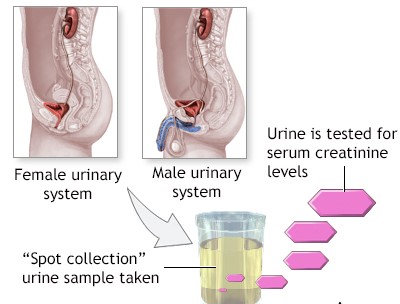
Choice A reason: Serum creatinine 3.5 mg/dL is high and indicates the need for further assessment. Creatinine is a waste product of muscle metabolism that is filtered by the kidneys. High creatinine levels can indicate kidney damage or impaired renal function.
Choice B reason: Hematocrit 45% is within the normal range (37-47% for women, 40-50% for men), and it does not indicate the need for further assessment. Hematocrit is the percentage of red blood cells in the blood. Low hematocrit levels can indicate anemia, bleeding, or hemolysis.
Choice C reason: Blood urea nitrogen 18 mg/dL is within the normal range (7-20), and it does not indicate the need for further assessment. Blood urea nitrogen is a waste product of protein metabolism that is filtered by the kidneys. High blood urea nitrogen levels can indicate dehydration, kidney damage, or high protein intake.
Choice D reason: Sodium 140 mEq/L is within the normal range (135-145), and it does not indicate the need for further assessment. Sodium is an electrolyte that helps maintain fluid balance, blood pressure, and nerve impulses. Low or high sodium levels can cause confusion, seizures, or coma.
Correct Answer is B
Explanation
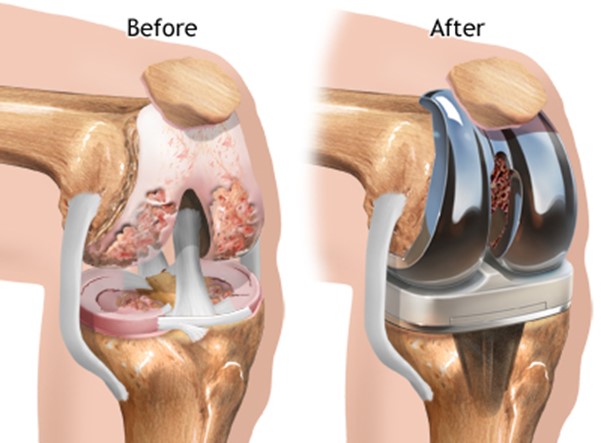
Choice A reason: Applying ice packs for 15 minutes every hour is not an effective intervention for managing edema following knee replacement surgery because it can impair blood circulation and delay healing. Ice packs can also cause frostbite or nerve damage if applied for too long or too frequently. Ice packs should be used only for the first 24 to 48 hours after surgery and with a cloth barrier between the skin and the ice.
Choice B reason: Elevating the affected leg above the heart level is an effective intervention for managing edema following knee replacement surgery because it can reduce swelling and pain by facilitating venous return and lymphatic drainage. Elevation can also prevent blood clots and infection by improving blood flow and oxygen delivery to the wound site.
Choice C reason: Consuming nutrition-dense foods first is not a relevant intervention for managing edema following knee replacement surgery because it does not directly affect fluid balance or wound healing. Nutrition-dense foods are those that provide high amounts of nutrients per serving, such as eggs, cheese, nuts, beans, and meat. Nutrition-dense foods are important for overall health, but not specifically for edema management.
Choice D reason: Wearing compression stockings during the day is not a recommended intervention for managing edema following knee replacement surgery because it can interfere with wound healing and increase the risk of infection. Compression stockings can also cause skin irritation, blisters, or ulcers if worn incorrectly or too tightly. Compression stockings should be avoided until the wound is fully healed and only used under medical supervision.
Whether you are a student looking to ace your exams or a practicing nurse seeking to enhance your expertise , our nursing education contents will empower you with the confidence and competence to make a difference in the lives of patients and become a respected leader in the healthcare field.
Visit Naxlex, invest in your future and unlock endless possibilities with our unparalleled nursing education contents today