
A nurse is caring for an older adult client who reports difficulty chewing due to missing teeth. Which of the following foods should the nurse recommend for the client?
Tuna fish
Roast beef
Apple slices
Dried fruit
The Correct Answer is A
Choice A reason: Tuna fish is a good food choice for an older adult client who has difficulty chewing due to missing teeth because it is soft, moist, and easy to swallow. Tuna fish also provides protein, omega-3 fatty acids, and vitamin D for the client.
Choice B reason: Roast beef is not a good food choice for an older adult client who has difficulty chewing due to missing teeth because it is tough, dry, and hard to chew. Roast beef can cause pain, fatigue, or choking for the client who has missing teeth. Roast beef should be avoided or cut into very small pieces and moistened with gravy or sauce before consuming.
Choice C reason: Apple slices are not a good food choice for an older adult client who has difficulty chewing due to missing teeth because they are crisp, firm, and sticky. Apple slices can cause irritation or injury to the gums or mouth or dislodge any remaining teeth. Apple slices should be avoided or cooked until soft and mashed before consuming.
Choice D reason: Dried fruit is not a good food choice for an older adult client who has difficulty chewing due to missing teeth because they are chewy, sticky, and sugary. Dried fruit can adhere to the gums or teeth and cause dental caries or gum disease. Dried fruit should be avoided or soaked in water until soft and cut into small pieces before consuming.
Nursing Test Bank
Naxlex Comprehensive Predictor Exams
Related Questions
Correct Answer is A
Explanation
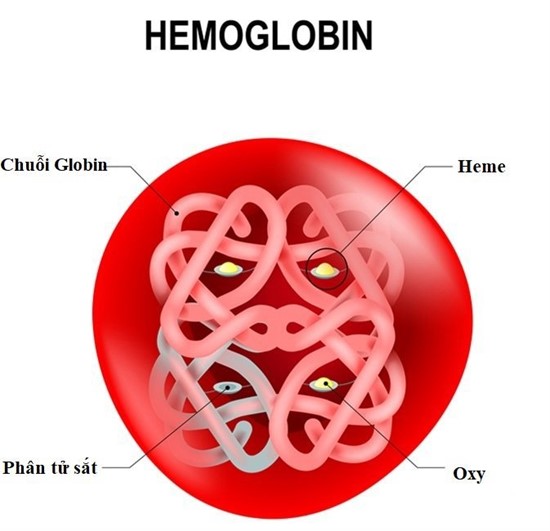
Choice A reason: Baked sweet potato is a good source of iron, which is a mineral that helps make hemoglobin, the protein in red blood cells that carries oxygen. Iron deficiency can cause anemia, weakness, fatigue, and pale skin.
Choice B reason: Cauliflower is not a good source of iron, but it is a good source of vitamin C, which can help increase iron absorption from plant sources. Cauliflower is also a good source of fiber, folate, and antioxidants.
Choice C reason: Egg white omelet is not a good source of iron, but it is a good source of protein, which can help with tissue repair and growth. Egg white omelet is also low in fat and cholesterol.
Choice D reason: Brown rice is not a good source of iron, but it is a good source of carbohydrates, which can provide energy and prevent protein breakdown. Brown rice is also a good source of fiber, B vitamins, and magnesium.
Correct Answer is A
Explanation
Choice A reason: Offering the client frozen banana as a snack is an appropriate intervention for the nurse to take because it can help reduce nausea and stimulate appetite. Frozen banana is cold, bland, and easy to digest, which are characteristics of antiemetic foods. Frozen banana also provides potassium, vitamin C, and fiber for the client.
Choice B reason: Serving the client hot meals is not an appropriate intervention for the nurse to take because it can worsen nausea and vomiting. Hot meals are aromatic, spicy, and greasy, which are characteristics of emetic foods. Hot meals can also irritate the stomach lining and trigger the gag reflex.
Choice C reason: Avoiding serving sauces or gravies is not an appropriate intervention for the nurse to take because it can cause dehydration and malnutrition. Sauces and gravies are liquid, mild, and moist, which are characteristics of antiemetic foods. Sauces and gravies can also enhance the flavor and texture of bland foods and provide calories and nutrients for the client.
Choice D reason: Discouraging the use of a straw is not an appropriate intervention for the nurse to take because it can prevent adequate fluid intake and hydration. Using a straw can help the client sip small amounts of clear liquids, such as water, ginger ale, or broth, which are antiemetic fluids. Using a straw can also reduce the exposure to odors and tastes that may cause nausea.
Whether you are a student looking to ace your exams or a practicing nurse seeking to enhance your expertise , our nursing education contents will empower you with the confidence and competence to make a difference in the lives of patients and become a respected leader in the healthcare field.
Visit Naxlex, invest in your future and unlock endless possibilities with our unparalleled nursing education contents today