
A nurse is caring for a 6-month-old infant who has a prescription for clear liquids by mouth after a repair of an intussusception. Which of the following fluids should the nurse select for the infant?
Half-strength infant formula
Half-strength orange juice
Sterile water
Oral electrolyte solution
The Correct Answer is D
Choice A reason: Half-strength infant formula is not a clear liquid and should not be given to an infant with intussusception. Infant formula contains proteins, fats, and carbohydrates that can increase the risk of bowel obstruction, infection, and perforation.
Choice B reason: Half-strength orange juice is not a clear liquid and should not be given to an infant with intussusception. Orange juice contains fructose, citric acid, and potassium that can irritate the bowel, cause osmotic diarrhea, and worsen dehydration.
Choice C reason: Sterile water is a clear liquid, but it is not the best choice for an infant with intussusception. Sterile water does not contain any electrolytes or glucose and can dilute the blood sodium level, leading to hyponatremia and seizures.
Choice D reason: Oral electrolyte solution is the best fluid for an infant with intussusception, as it contains the optimal balance of electrolytes and glucose to prevent dehydration and restore fluid balance. Oral electrolyte solution is recommended by the World Health Organization (WHO) and the American Academy of Pediatrics (AAP) for the management of dehydration in children.
Nursing Test Bank
Naxlex Comprehensive Predictor Exams
Related Questions
Correct Answer is B
Explanation
Choice A reason: Epiglottitis is a life-threatening condition that causes inflammation and swelling of the epiglottis, the flap of tissue that covers the entrance to the trachea. It can block the airway and cause respiratory distress. The signs and symptoms of epiglottitis include drooling, dysphagia, dysphonia, high fever, and tripod position. Epiglottitis is rare in infants and more common in children aged 2-6 years.
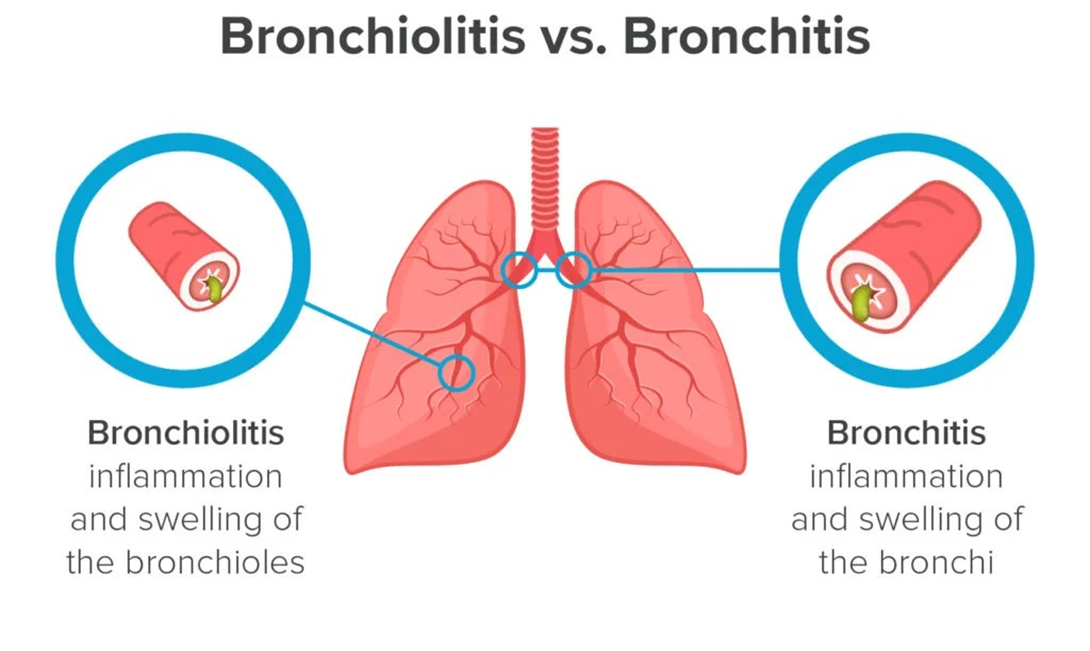
Choice B reason: Bronchiolitis is a viral infection that causes inflammation and mucus production in the bronchioles, the smallest airways in the lungs. It can impair gas exchange and cause respiratory distress. The signs and symptoms of bronchiolitis include sneezing, coughing, nasal congestion, wheezing, tachypnea, retractions, and apneic spells. Bronchiolitis is common in infants and children under 2 years of age, especially during the winter months.
Choice C reason: Influenza is a viral infection that affects the respiratory system. It can cause fever, chills, headache, muscle aches, fatigue, sore throat, cough, and nasal congestion. Influenza can also lead to complications such as pneumonia, otitis media, and sinusitis. Influenza is common in children and adults of all ages, especially during the flu season.
Choice D reason: Croup is a viral infection that causes inflammation and narrowing of the larynx and trachea. It can cause a characteristic barking cough, hoarseness, stridor, and respiratory distress. Croup is common in children aged 6 months to 3 years, especially during the fall and winter months.
Correct Answer is B
Explanation
Choice A reason: This statement is incorrect, as reports of thirst are not a manifestation of hemorrhage following a tonsillectomy. Thirst may be caused by dehydration, dry mouth, or fever, which are common after surgery.
Choice B reason: This statement is correct, as frequent swallowing is a manifestation of hemorrhage following a tonsillectomy. Swallowing may indicate that the child is bleeding from the surgical site and trying to clear the blood from the throat. The nurse should inspect the child's mouth and throat for signs of bleeding and notify the provider.
Choice C reason: This statement is incorrect, as mouth breathing is not a manifestation of hemorrhage following a tonsillectomy. Mouth breathing may be due to nasal congestion, pain, or swelling, which are expected after surgery.
Choice D reason: This statement is incorrect, as reports of pain are not a manifestation of hemorrhage following a tonsillectomy. Pain is a normal and expected outcome after surgery and should be managed with analgesics and comfort measures.
Whether you are a student looking to ace your exams or a practicing nurse seeking to enhance your expertise , our nursing education contents will empower you with the confidence and competence to make a difference in the lives of patients and become a respected leader in the healthcare field.
Visit Naxlex, invest in your future and unlock endless possibilities with our unparalleled nursing education contents today