
A nurse is caring for a client who arrives at the emergency department and reports vomiting and diarrhea for the past 3 days. The client's serum potassium level is 2.8 mEq/L. Which of the following interventions should the nurse implement first?
Administer an IV potassium drip.
Listen to the client's bowel sounds.
Check the client's hand grasps.
Initiate cardiac monitoring for the client.
The Correct Answer is D
The client has hypokalemia, which is a low level of potassium in the blood. Hypokalemia can cause cardiac arrhythmias, which can be life-threatening. The nurse should initiate cardiac monitoring first to assess the client's heart rhythm and rate, and intervene if any abnormalities are detected. Administering an IV potassium drip is an appropriate intervention for hypokalemia, but it is not the first priority. Listening to the client's bowel sounds and checking the client's hand grasps are also relevant assessments for hypokalemia, as it can cause decreased bowel motility and muscle weakness, but they are not as urgent as cardiac monitoring.
Nursing Test Bank
Naxlex Comprehensive Predictor Exams
Related Questions
Correct Answer is A
Explanation
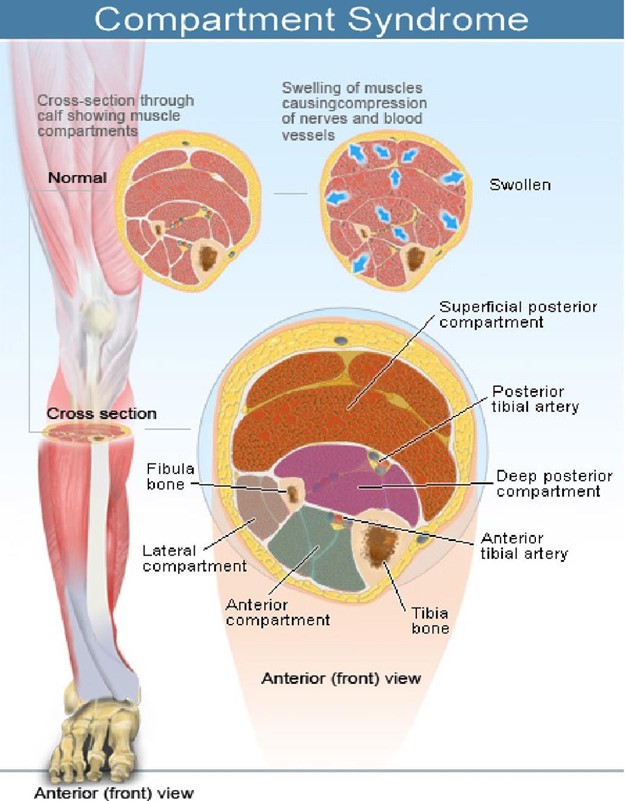
Compartment syndrome is a condition in which increased pressure within a confined space compromises blood flow and tissue perfusion, leading to ischemia and necrosis. It can occur after trauma, fracture, or casting of an extremity. The early signs of compartment syndrome include intense pain with movement that is not relieved by analgesics or elevation, paresthesia, pallor, and decreased sensation and motor function of the affected limb. The late signs include absent distal pulses, cyanosis, coldness, and paralysis. Therefore, option A is correct.
Correct Answer is D
Explanation
The nurse should instruct the client to trim toenails straight across to prevent ingrown toenails and infection. The nurse should also advise the client to inspect the feet daily for any signs of injury or ulceration, to avoid applying lotion between the toes as this can cause maceration and fungal growth, and to avoid soaking the feet as this can dry out the skin and increase the risk of injury.
Whether you are a student looking to ace your exams or a practicing nurse seeking to enhance your expertise , our nursing education contents will empower you with the confidence and competence to make a difference in the lives of patients and become a respected leader in the healthcare field.
Visit Naxlex, invest in your future and unlock endless possibilities with our unparalleled nursing education contents today