
A nurse is caring for a client who asks about the purpose of a Papanicolaou test. Which of the following responses should the nurse make?
"This test determines your ovulation status."
"This test detects the presence of endometriosis."
"This test allows for the removal of uterine fibroids."
"This test detects the presence of cervical cancer."
The Correct Answer is D
A) Incorrect- The Papanicolaou (Pap) test is not used to determine ovulation status.
B) Incorrect-The Pap test is used to detect abnormal cervical cells and cervical cancer, not endometriosis.
C) Incorrect- The Pap test is not a procedure for removing uterine fibroids.
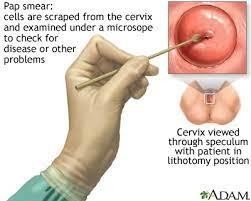
D) Correct - The primary purpose of the Pap test (Pap smear) is to detect abnormal cervical cells that could indicate the presence of cervical cancer or precancerous conditions.
Nursing Test Bank
Naxlex Comprehensive Predictor Exams
Related Questions
Correct Answer is A
Explanation
A) Correct - Group B streptococcus (GBS) screening is typically performed around 36 weeks of gestation to identify colonization. It helps determine whether antibiotic prophylaxis is necessary during labor to prevent transmission to the newborn.
B) Incorrect- Producing a clean catch urine specimen every 2 months is not a standard recommendation during pregnancy. Urine testing is common but does not usually occur this frequently.
C) Incorrect- Maternal serum alpha-fetoprotein screening is typically done around 15-20 weeks of gestation, not 6 weeks.
D) Incorrect- Screening for gestational diabetes typically occurs between 24 and 28 weeks of gestation, not 12 weeks.
Correct Answer is D
Explanation
A) Incorrect- Methylergonovine is used to treat postpartum hemorrhage due to uterine atony, not hypotension.
B) Incorrect- Emptying the client's bladder can help improve blood pressure but is not the priority over treating hypotension.
C) Incorrect- The knee-chest position might be used to increase blood pressure, but it is not the first-line intervention in this situation.
D) Correct - A bolus of lactated Ringers or another appropriate intravenous
Whether you are a student looking to ace your exams or a practicing nurse seeking to enhance your expertise , our nursing education contents will empower you with the confidence and competence to make a difference in the lives of patients and become a respected leader in the healthcare field.
Visit Naxlex, invest in your future and unlock endless possibilities with our unparalleled nursing education contents today