
A nurse is caring for a client who has a lower extremity fracture and a prescription for crutches.
Which of the following client statements indicates that the client is adapting to their role change?
"It's going to be difficult to tell my parents I can't take them to their appointments anymore.".
"I feel bad that I have to ask my partner to keep the house clean.".
"These crutches will make it possible to care for my child.".
"I will need to have my partner take over shopping for groceries and cooking the meals for us.".
The Correct Answer is C
The statement “These crutches will make it possible to care for my child” indicates that the client is adapting to their role change by finding ways to continue fulfilling their responsibilities despite their injury.
Choice A is incorrect because it indicates that the client is concerned about not being able to fulfill their responsibilities.
Choice B is incorrect because it indicates that the client feels guilty about not being able to fulfill their responsibilities.
Choice D is incorrect because it indicates that the client is relying on someone else to fulfill their responsibilities.
Nursing Test Bank
Naxlex Comprehensive Predictor Exams
Related Questions
Correct Answer is A
Explanation
The nurse should ensure that the client is discharged with antithrombotic pharmacologic therapy.
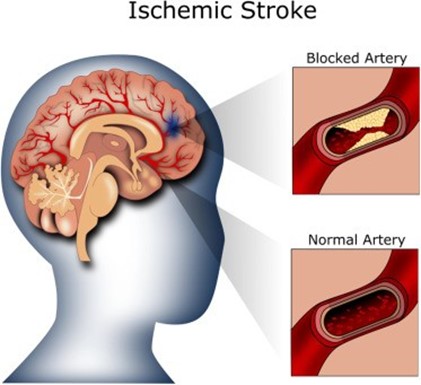
Antithrombotic medications help prevent blood clots from forming and can reduce the risk of another ischemic stroke.
Choice B is wrong because diuretics are used to treat fluid retention and high blood pressure and are not typically used for stroke prevention.
Choice C is wrong because anticonvulsants are used to prevent seizures and are not typically used for stroke prevention.
Choice D is wrong because opioid analgesics are used to treat pain and are not typically used for stroke prevention.
Correct Answer is C
Explanation
“Fluid volume excess.” Bounding pulses, crackles on auscultation, and pink frothy secretions when receiving suctioning are all signs of fluid volume excess.
Fluid volume excess can occur when the heart is unable to pump blood efficiently, causing fluid to build up in the lungs.
Choice A is not the correct answer because the increased cardiac output would not cause these symptoms.
Choice B is not the correct answer because pleural effusion refers to a buildup of fluid between the layers of tissue that line the lungs and chest cavity, which would not cause these symptoms.
Choice D is not the correct answer because aspiration refers to the inhalation of food, liquid, or other substances into the lungs, which would not cause these symptoms.
Whether you are a student looking to ace your exams or a practicing nurse seeking to enhance your expertise , our nursing education contents will empower you with the confidence and competence to make a difference in the lives of patients and become a respected leader in the healthcare field.
Visit Naxlex, invest in your future and unlock endless possibilities with our unparalleled nursing education contents today