
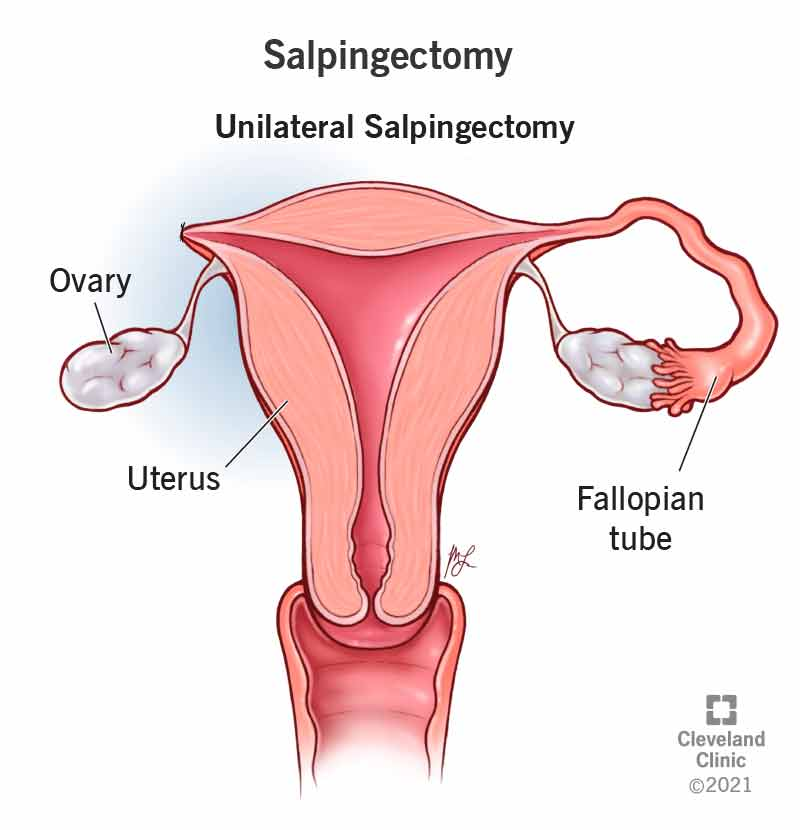
A nurse is caring for a client who has been admitted to the hospital to have their right fallopian tube removed due to severe endometriosis with pain. Which of the following classifications includes this surgery?
Cosmetic
Diagnostic
Constructive
Ablative
The Correct Answer is D
Choice A reason:
Cosmetic surgery is performed to improve the appearance of a body part. It is elective and usually not medically necessary. In the case of fallopian tube removal due to endometriosis, the surgery is not performed for aesthetic reasons but to relieve pain and treat a medical condition.
Choice B reason:
Diagnostic surgery is carried out to diagnose a condition. While endometriosis can be diagnosed through surgery, the removal of the fallopian tube in this scenario is not for diagnostic purposes but rather for treatment.
Choice C reason:
Constructive surgery is done to restore function or normal appearance by reconstructing defective organs or body parts. The removal of the fallopian tube for endometriosis does not fit this category as it does not aim to reconstruct but rather to remove a part causing pain.
Choice D reason:
Ablative surgery involves the removal of an organ or abnormal growth. It is often used to treat conditions that cause pain or to prevent further complications. The removal of the fallopian tube due to severe endometriosis falls under this category as it aims to alleviate symptoms and prevent further issues related to the condition.
Nursing Test Bank
Naxlex Comprehensive Predictor Exams
Related Questions
Correct Answer is D
Explanation
Choice A reason:
Dyspepsia, commonly known as indigestion, is not typically associated with SIADH. It is a condition characterized by chronic or recurrent pain in the upper abdomen and is not linked to the overproduction of antidiuretic hormone.
Choice B reason:
Osteoarthritis is a degenerative joint disease and does not cause SIADH. It is characterized by the breakdown of joint cartilage and underlying bone, most commonly from middle age onward, causing pain and stiffness, especially in the hip, knee, and thumb joints.
Choice C reason:
Liver cirrhosis can lead to complications that may contribute to fluid imbalance, but it is not a direct cause of SIADH. SIADH is more commonly associated with conditions that affect the central nervous system or certain types of cancer.
Choice D reason:
Lung cancer, particularly small cell lung cancer, is a well-known cause of SIADH. Tumors in the lungs can produce and release antidiuretic hormone independently, leading to the syndrome of inappropriate antidiuretic hormone secretion.
Correct Answer is ["B","C"]
Explanation
The correct answer is b. Minimize skin exposure to moisture and c. Use pillows to keep heels off the bed surface.
Choice A reason:
a. Massage over erythematous bony prominences: This is incorrect because massaging erythematous (reddened) areas can cause further tissue damage and exacerbate skin breakdown.
Choice B reason:
b. Minimize skin exposure to moisture: This is correct. Moisture can lead to skin maceration, increasing the risk of skin breakdown. Keeping the skin dry helps maintain its integrity.
Choice C reason:
c. Use pillows to keep heels off the bed surface: This is correct. Elevating the heels reduces pressure on them, preventing pressure ulcers.
Choice D reason:
d. Implement a turning schedule every 4 hours: This is incorrect. To prevent pressure injuries, turning should be done every 2 hours, not every 4 hours.
Choice E reason:
e. Keep the client’s skin dry with powder: This is incorrect. Powder can cause skin irritation and breakdown.
Whether you are a student looking to ace your exams or a practicing nurse seeking to enhance your expertise , our nursing education contents will empower you with the confidence and competence to make a difference in the lives of patients and become a respected leader in the healthcare field.
Visit Naxlex, invest in your future and unlock endless possibilities with our unparalleled nursing education contents today