
A nurse is caring for a client who has hypertension and is to start taking Atenolol. The nurse should instruct the client to monitor which of the following findings is an adverse effect of this medication.
Constipation.
Postural hypotension.
Dermatitis.
Cardiac arrest.
The Correct Answer is B
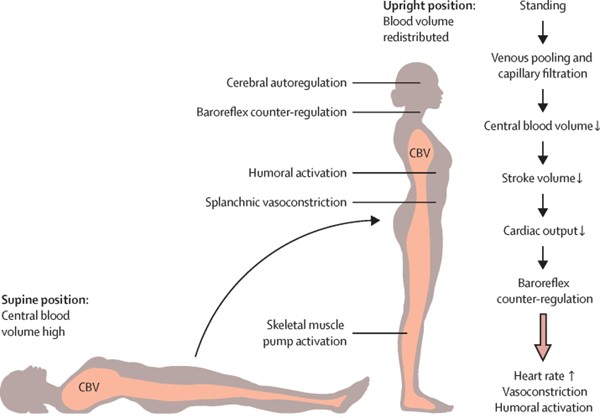
Postural hypotension is a potential adverse effect of atenolol.
It can cause dizziness, faintness, or lightheadedness when getting up from a lying or sitting position suddenly12.
Choice A, Constipation, is not the correct answer because it is not a commonly reported adverse effect of atenolol.
Choice C, Dermatitis, is not the correct answer because it is not a commonly reported adverse effect of atenolol.
Choice D, Cardiac arrest, is not the correct answer because it is not a commonly reported adverse effect of atenolol.
Nursing Test Bank
Naxlex Comprehensive Predictor Exams
Related Questions
Correct Answer is B
Explanation
The nurse should administer 2 tablets of levothyroxine 50 mcg to give the client a total dose of 100 mcg.
Choice A is not the best answer because administering 1 tablet of levothyroxine 50 mcg would only give the client a total dose of 50 mcg, which is not enough.
Choice C is not the best answer because administering 3 tablets of levothyroxine 50 mcg would give the client a total dose of 150 mcg, which is too much.
Choice D is not the best answer because administering 4 tablets of levothyroxine 50 mcg would give the client a total dose of 200 mcg, which is too much.
Correct Answer is C
Explanation
The statement “I won’t seal my lips around the mouthpiece and take slow, deep breaths” indicates a need for further teaching.
When using a nebulizer, the client should place the mouthpiece in their mouth between their teeth and close their lips around it 1.
They should also take slow, deep breaths to ensure that the medication is properly inhaled 1.
Choice A is incorrect because washing the mouthpiece with warm soapy water each day is a recommended action 2.
Choice B is incorrect because storing the nebulizer at room temperature is acceptable.
Choice D is incorrect because it is not necessary to keep medication in the nebulizer at all times.
Whether you are a student looking to ace your exams or a practicing nurse seeking to enhance your expertise , our nursing education contents will empower you with the confidence and competence to make a difference in the lives of patients and become a respected leader in the healthcare field.
Visit Naxlex, invest in your future and unlock endless possibilities with our unparalleled nursing education contents today