
A nurse is caring for a client who has stomatitis following radiation therapy. Which of the following interventions is appropriate for the nurse to take?
Discourage the use of a straw.
Offer the client frozen bananas as a snack.
Serve the client hot meals.
Avoid serving sauces or gravies.
The Correct Answer is B
The correct answer is: b. Offer the client frozen bananas as a snack.
Choice A: Discourage the use of a straw
Discouraging the use of a straw is not the best intervention for a client with stomatitis following radiation therapy. While using a straw might cause some discomfort, it is not a primary concern. The focus should be on providing soothing and non-irritating foods.
Choice B: Offer the client frozen bananas as a snack
Offering the client frozen bananas as a snack is an appropriate intervention. Frozen bananas can provide a soothing effect on the inflamed oral tissues and are less likely to cause irritation compared to other foods. They are also nutritious and easy to consume, making them a suitable option for clients with stomatitis.
Choice C: Serve the client hot meals
Serving hot meals is not recommended for clients with stomatitis. Hot foods can exacerbate the discomfort and irritation in the mouth, making it more painful for the client to eat. It is better to serve foods at a moderate or cool temperature to avoid further irritation.
Choice D: Avoid serving sauces or gravies
Avoiding sauces or gravies is not the best intervention for a client with stomatitis. While some sauces or gravies might be irritating, others can be soothing and help make the food easier to swallow. The key is to choose mild and non-spicy options that do not irritate the oral tissues.
Nursing Test Bank
Naxlex Comprehensive Predictor Exams
Related Questions
Correct Answer is A
Explanation
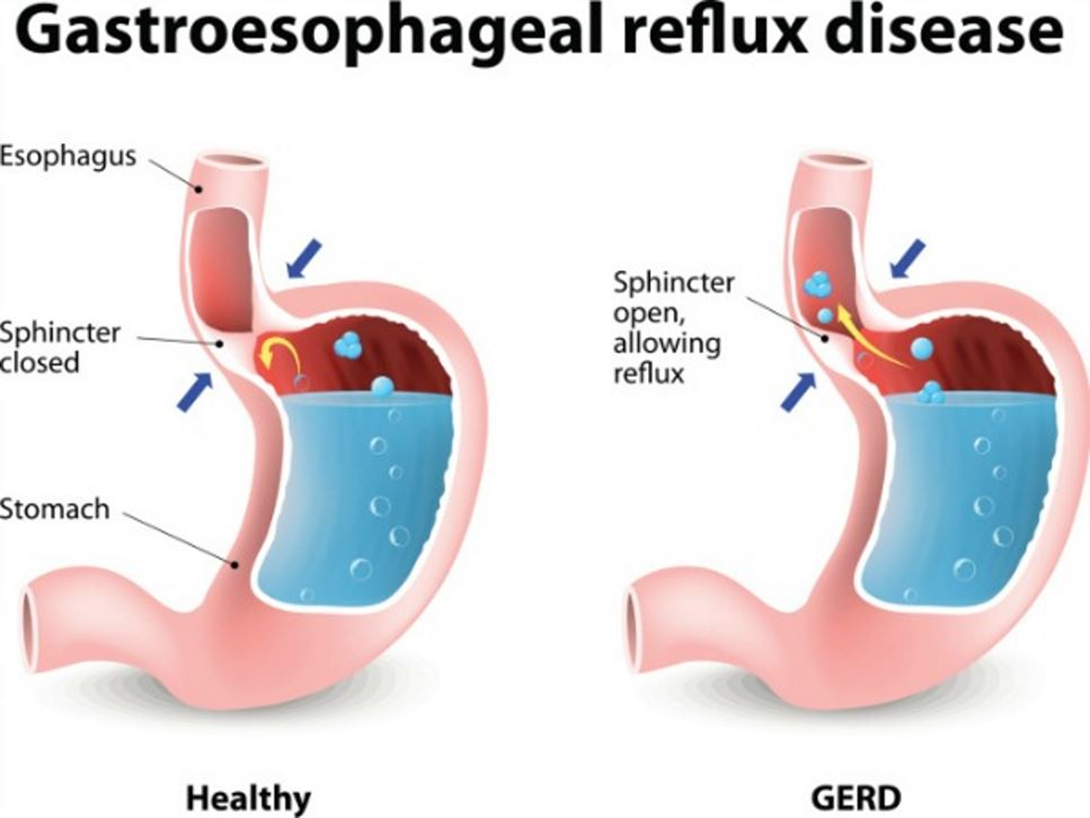
Choice A reason: Positioning the newborn at a 20-degree angle after feeding can help prevent the reflux of gastric contents into the esophagus. This position allows gravity to keep the food in the stomach and reduces the pressure on the lower esophageal sphincter. The nurse should instruct the parent to keep the newborn in this position for at least 30 minutes after each feeding.
Choice B reason: Diluting formula with 1 tablespoon of water is not recommended, as it can cause water intoxication, electrolyte imbalance, and malnutrition in the newborn. Water intoxication can lead to seizures, coma, and death. The nurse should advise the parent to follow the manufacturer's instructions for preparing the formula and not to add extra water.
Choice C reason: Placing the newborn in a side-lying position if vomiting is not a safe practice, as it can increase the risk of aspiration and sudden infant death syndrome (SIDS). Aspiration is when food or liquid enters the lungs and causes pneumonia or respiratory distress. SIDS is when a healthy baby dies suddenly and unexpectedly during sleep. The nurse should instruct the parent to place the newborn on the back for sleeping and to avoid soft bedding, pillows, and stuffed animals.
Choice D reason: Providing a small feeding just before bedtime is not a good idea, as it can worsen the gastroesophageal reflux and disrupt the newborn's sleep. The nurse should suggest the parent to feed the newborn smaller and more frequent meals throughout the day and to avoid feeding the newborn within 2 to 3 hours of bedtime.
Correct Answer is A
Explanation
Choice A reason: Fried chicken is an acceptable choice for a client who is taking tranylcypromine, a monoamine oxidase inhibitor (MAOI). MAOIs can cause a hypertensive crisis if the client consumes foods that are high in tyramine, such as aged cheeses, cured meats, smoked fish, and fermented products. Fried chicken does not contain tyramine and is safe to eat.
Choice B reason: Salami is not an acceptable choice for a client who is taking tranylcypromine, as it is a cured meat that is high in tyramine. The nurse should advise the client to avoid salami and other similar foods, such as pepperoni, ham, bacon, and sausage.
Choice C reason: Smoked salmon is not an acceptable choice for a client who is taking tranylcypromine, as it is a smoked fish that is high in tyramine. The nurse should advise the client to avoid smoked salmon and other similar foods, such as herring, anchovies, and caviar.
Choice D reason: Cheddar cheese is not an acceptable choice for a client who is taking tranylcypromine, as it is an aged cheese that is high in tyramine. The nurse should advise the client to avoid cheddar cheese and other similar foods, such as blue cheese, Swiss cheese, and Parmesan cheese.
Whether you are a student looking to ace your exams or a practicing nurse seeking to enhance your expertise , our nursing education contents will empower you with the confidence and competence to make a difference in the lives of patients and become a respected leader in the healthcare field.
Visit Naxlex, invest in your future and unlock endless possibilities with our unparalleled nursing education contents today