
A nurse is caring for a client who is 3 hr postoperative. Which of the following findings should the nurse understand is a manifestation of bleeding?
Hypertension
2+ edema
Crackles in lungs
Tachycardia
The Correct Answer is D
D. Increased heart rate (tachycardia) is a common manifestation of bleeding. The body compensates for blood loss by increasing the heart rate to maintain blood flow to vital organs
A. Typically, bleeding would cause a decrease in blood pressure rather than hypertension. High blood pressure could indicate other issues like pain or anxiety
B. Edema is not typically a direct manifestation of bleeding. It could indicate fluid overload, a common complication post-surgery, but not necessarily indicative of bleeding.
C. Crackles in lungs could suggest fluid overload or pulmonary edema but not related to bleeding.
Nursing Test Bank
Naxlex Comprehensive Predictor Exams
Related Questions
Correct Answer is C
Explanation
C. The vestibulocochlear nerve is responsible for both the vestibular function and the cochlear function. Impaired function of the vestibulocochlear nerve could result in symptoms related to vestibular dysfunction, such as disequilibrium (feeling unsteady or off balance) especially with movement.
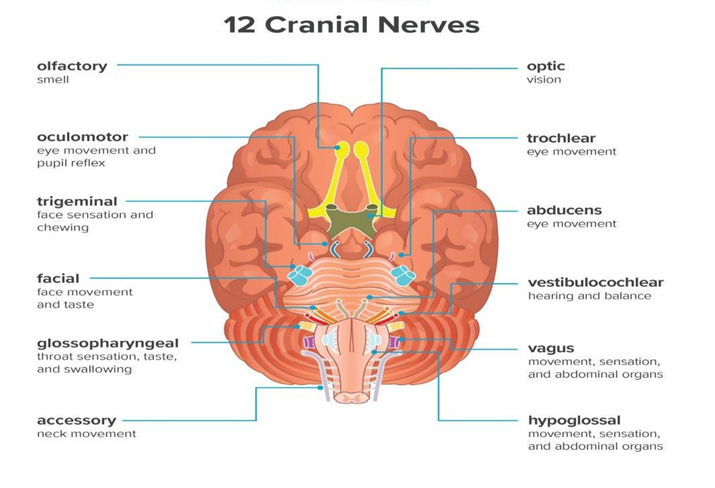
A. The olfactory nerve (cranial nerve I) is responsible for the sense of smell.
B. Loss of peripheral vision is typically associated with impairment of the optic nerve (cranial nerve II), which is responsible for vision.
D. Deviation of the tongue occurs in injury to the hypoglossal nerve.
Correct Answer is ["69"]
Explanation
Convert the weight from pounds to kilograms
190 lb * (1 kg / 2.2046 lb) = 86.183 kg (rounded to three decimal places)
The recommended dietary allowance (RDA) of protein:86.183 kg * 0.8 g/kg = 68.946 g/day
Rounding to the nearest whole number, the client should receive approximately 69 grams of protein daily.
Whether you are a student looking to ace your exams or a practicing nurse seeking to enhance your expertise , our nursing education contents will empower you with the confidence and competence to make a difference in the lives of patients and become a respected leader in the healthcare field.
Visit Naxlex, invest in your future and unlock endless possibilities with our unparalleled nursing education contents today