
A nurse is caring for a client who is 8 hr postoperative following a subtotal thyroidectomy. In which of the following positions should the nurse keep the client?
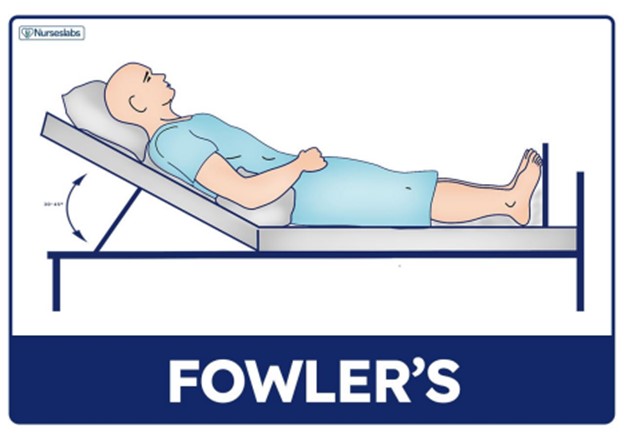
Semi-Fowler's with neck extended
semi-fowler's with neck in a neutral position
High Fowler's with neck extended
High Fowler's withzed in a neutral position
The Correct Answer is B
A. Semi-Fowler's with neck extended: Keeping the neck extended can put strain on the surgical incision site, increasing the risk of complications. It's important to avoid excessive neck movement.
B. Semi-Fowler's with neck in a neutral position: This position is optimal for clients post-thyroidectomy. It helps reduce swelling and pressure on the surgical site while maintaining the neck in a neutral and supported position.
C. High Fowler's with neck extended: A high Fowler's position with the neck extended may increase the risk of strain on the surgical incision and should be avoided.
D. High Fowler's with the neck in a neutral position: While a high Fowler's position can be comfortable for the client, it's important to ensure that the neck is in a neutral position to minimize strain on the surgical incision.
Nursing Test Bank
Naxlex Comprehensive Predictor Exams
Related Questions
Correct Answer is D
Explanation
A. NPH insulin: NPH insulin, also known as Neutral Protamine Hagedorn, is an intermediate acting insulin. It has a slower onset of action and a longer duration compared to regular insulin. It is not the best choice for treating diabetic ketoacidosis (DKA) because it does not act quickly enough to lower dangerously high blood glucose levels in this acute situation.
B. Insulin glargine: Insulin glargine is a long-acting basal insulin. It has a slow, steady release and provides a consistent level of insulin over an extended period. Like NPH insulin, it is not suitable for rapidly lowering blood glucose levels in a DKA emergency.
C. Insulin detemir: Insulin detemir is another long-acting basal insulin similar to glargine. It has a slow onset and provides a sustained release of insulin. It is not the first-line choice for treating DKA due to its slower action.
D. Regular Insulin: Regular insulin, also known as short-acting or fast-acting insulin, has a rapid onset of action. When administered intravenously, it can quickly lower blood glucose levels. This makes it the preferred choice for treating diabetic ketoacidosis (DKA) where prompt action is essential to correct the severe hyperglycemia and associated metabolic imbalances.
Correct Answer is D
Explanation
- Choice A Rationale: Placing the head of the bed in the flat position is not recommended as it can increase the risk of airway obstruction and reduce venous drainage from the head, which is especially critical after thyroid surgery.
- Choice B Rationale: While deep breathing is important postoperatively, it is not specific to thyroidectomy care and should be done more frequently than every 4 hours to ensure adequate ventilation and prevent atelectasis.
- Choice C Rationale: Hyperextending the client's neck can be harmful post-thyroidectomy as it may put stress on the surgical site, potentially leading to dehiscence or damage to the area.
- Choice D Rationale: Checking the client's voice every 2 hours is essential after a thyroidectomy because vocal cord paralysis can be an indicator of recurrent laryngeal nerve damage, which is a potential complication of the surgery. Monitoring the voice allows for early detection and intervention.
Whether you are a student looking to ace your exams or a practicing nurse seeking to enhance your expertise , our nursing education contents will empower you with the confidence and competence to make a difference in the lives of patients and become a respected leader in the healthcare field.
Visit Naxlex, invest in your future and unlock endless possibilities with our unparalleled nursing education contents today