
A nurse is caring for a client who is postoperative following a total hip arthroplasty. Which of the following actions by the nurse demonstrates cost-effective care?
Flexes the client's affected hip to 120
Adducts the client's affected leg
Checks the neurovascular status of the client's lower extremities every 6 hr
Applies a sequential compression device to the client's lower extremities
The Correct Answer is D
Nursing Test Bank
Naxlex Comprehensive Predictor Exams
Related Questions
Correct Answer is D
Explanation
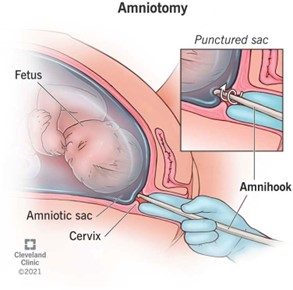
The priority data for the nurse to collect following an amniotomy is the fetal heart rate. This is an important nursing intervention to assess fetal well-being and identify any potential complications.
a) Assessing the color of the amniotic fluid is important, but it is not the highest priority.
b) Monitoring the client's temperature is important, but it is not the highest priority.
c) Assessing the frequency of contractions is important, but it is not the highest priority.
Correct Answer is B
Explanation
The instruction that the nurse should include is "You can take a shower 1 day after your procedure." According to the Cleveland Clinic, the morning after the procedure, the client may take the dressing off the catheter insertion site. The easiest way to do this is when showering, get the tape and dressing wet and remove it.
Option a is incorrect because there is no information suggesting that a client must wait 3 days before resuming a regular diet after a cardiac catheterization.
Option c is incorrect because according to the Cleveland Clinic, clients should gradually increase their activities until they reach their normal activity level within one week after the procedure.
Option d is incorrect because there is no information suggesting that a client must wait 1 week before returning to school after cardiac catheterization.
Whether you are a student looking to ace your exams or a practicing nurse seeking to enhance your expertise , our nursing education contents will empower you with the confidence and competence to make a difference in the lives of patients and become a respected leader in the healthcare field.
Visit Naxlex, invest in your future and unlock endless possibilities with our unparalleled nursing education contents today