
A nurse is caring for a client who is receiving a continuous NG tube feeding and is experiencing frequent diarrhea. Which of the following actions should the nurse take?
Recommend a low-calorie formula.
Chill formula before administration.
Slow the rate of the feeding.
Change the infusion tubing every 48 hr.
The Correct Answer is C
A. Recommending a low-calorie formula would not address the issue of diarrhea. In fact, it may exacerbate it if the client is not receiving adequate nutrition.
B. Chilling the formula before administration is not likely to impact diarrhea and may not be comfortable for the client.
C. Slowing the rate of the feeding can help reduce the incidence of diarrhea by allowing the client's digestive system more time to process the nutrients, decreasing the risk of overwhelming the intestines.
D. Changing the infusion tubing every 48 hours is a routine procedure to prevent infection and is not directly related to managing diarrhea.
Nursing Test Bank
Naxlex Comprehensive Predictor Exams
Related Questions
Correct Answer is D
Explanation
A. Lettuce is not known for being high in potassium; it is mostly water and fiber.
B. Grapes contain potassium, but not as much as some other fruits and vegetables.
C. Apple slices do contain potassium, but they are not the richest source among the options provided.
D. Cooked tomatoes are an excellent source of potassium, with one cup providing a significant amount of the mineral necessary to help correct hypokalemia.
Correct Answer is D
Explanation
A. Butter is high in saturated fat and should be limited in cooking to decrease saturated fat intake.
B. Palm oil is high in saturated fat and should be limited in cooking to decrease saturated fat intake.
C. Coconut oil is high in saturated fat and should be limited in cooking to decrease saturated fat intake.
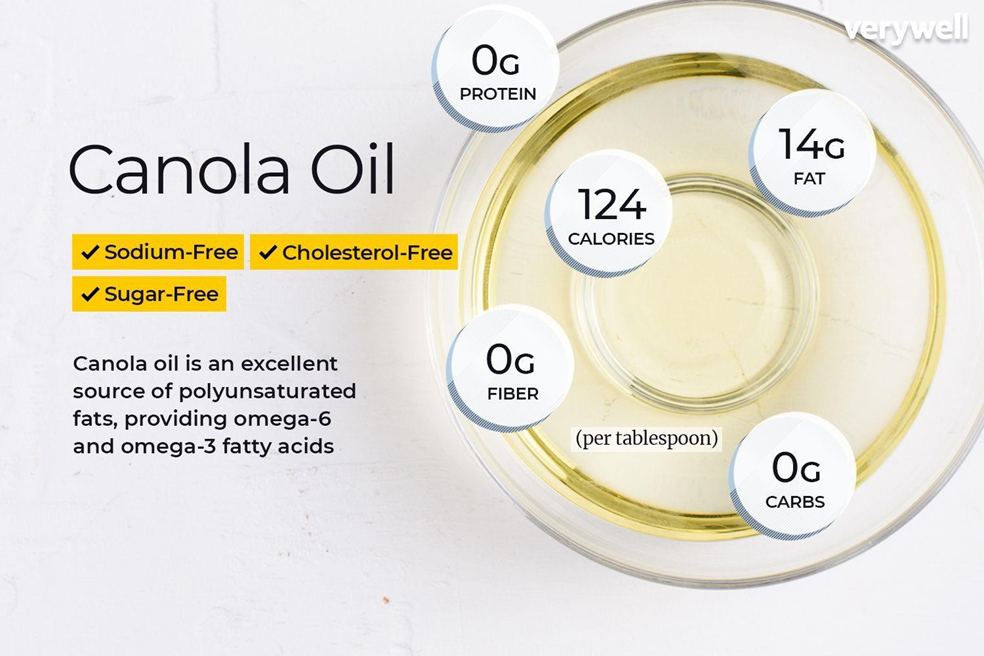
D. Canola oil is low in saturated fat compared to other oils and fats, making it a healthier option for cooking when trying to decrease saturated fat intake.
Whether you are a student looking to ace your exams or a practicing nurse seeking to enhance your expertise , our nursing education contents will empower you with the confidence and competence to make a difference in the lives of patients and become a respected leader in the healthcare field.
Visit Naxlex, invest in your future and unlock endless possibilities with our unparalleled nursing education contents today