
A nurse is caring for a client who is taking multiple medications and asks about possible interactions. To which of the following members of the interdisciplinary team should the nurse make a referral?
Social worker
Patient care technician
Psychologist
Advanced practice nurse
The Correct Answer is D
The APN, also known as a nurse practitioner or clinical nurse specialist, has advanced knowledge and expertise in pharmacology and medication management. They are trained to assess medication interactions, evaluate potential risks, and provide guidance to ensure safe and effective medication use.
The other members of the interdisciplinary team listed are not specifically trained to address medication interactions:
- Social worker: Social workers focus on addressing psychosocial aspects of care, such as emotional support, counseling, and resource coordination. While they may provide valuable assistance in various areas of the client's care, they typically do not have specialized knowledge in medication interactions.
- Patient care technician: Patient care technicians, also known as nursing assistants or certified nursing assistants, provide direct patient care under the supervision of nurses. They do not typically have the training or authority to address medication interactions.
- Psychologist: Psychologists specialize in the assessment, diagnosis, and treatment of mental and emotional health concerns. While they may be involved in the client's overall care, including medication management for mental health conditions, their expertise lies primarily in psychological assessment and therapy rather than medication interactions.
Nursing Test Bank
Naxlex Comprehensive Predictor Exams
Related Questions
Correct Answer is C
Explanation
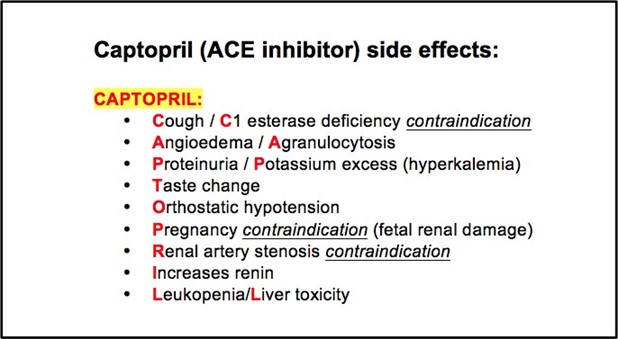
Orthostatic hypotension, which is a sudden drop in blood pressure upon standing, can be a side effect of enalapril and may lead to syncope. Instructing the client to rise slowly from a sitting to a standing position helps minimize the risk of a sudden drop in blood pressure and decreases the chances of syncope occurring.
Decreasing fluid intake is not likely to be the cause of syncope related to enalapril. It is important for clients to maintain adequate hydration, especially if they are experiencing side effects such as orthostatic hypotension.
While a low pulse rate may indicate bradycardia, it is not the primary concern in this situation. Orthostatic hypotension leading to syncope is the main issue, and the client should be instructed to rise slowly to prevent it.
While enalapril is an angiotensin-converting enzyme (ACE) inhibitor that can increase potassium levels in the blood, it is not directly related to syncope. Dietary changes should be made under the guidance of a healthcare provider based on individual needs and blood test results.
Correct Answer is B
Explanation
Splinting the incision with a pillow when changing positions can provide support and help minimize discomfort and pain in clients who have undergone a cesarean birth. It can help reduce strain on the incision site and provide a sense of stability and comfort.
A. "You can apply counterpressure to your back with each position change" may be helpful for managing back pain, but it does not specifically address the client's request for nonpharmacological interventions to manage pain when changing positions after a cesarean birth.
C. "You should change positions as little as possible" is not an appropriate response as it does not address the client's need to manage pain when changing positions. Encouraging movement and position changes, along with appropriate support, can aid in recovery and prevent complications such as blood clots and respiratory issues.
D. "You should use patterned-paced breathing when changing positions" is not specifically related to managing pain when changing positions after a cesarean birth. While breathing techniques can be useful for pain management during labor and certain procedures, they may not be the most effective strategy for managing pain when changing positions post-cesarean.
Whether you are a student looking to ace your exams or a practicing nurse seeking to enhance your expertise , our nursing education contents will empower you with the confidence and competence to make a difference in the lives of patients and become a respected leader in the healthcare field.
Visit Naxlex, invest in your future and unlock endless possibilities with our unparalleled nursing education contents today