
A nurse is caring for a client who is unconscious and has a breathing pattern characterized by alternating periods of hyperventilation and apnea. The nurse should document that the client has which of the following respiratory alterations?
Stridor
Kussmaul respirations
Apneustic respirations
Cheyne-Stokes respirations
The Correct Answer is D
Answer: D. Cheyne-Stokes respirations
Rationale:
A) Stridor: Stridor is a high-pitched, wheezing sound resulting from disrupted airflow in the upper airway. It is not characterized by alternating periods of hyperventilation and apnea, making this choice incorrect.
B) Kussmaul respirations: Kussmaul respirations are deep, labored breaths typically associated with metabolic acidosis, such as diabetic ketoacidosis. These respirations do not exhibit alternating periods of hyperventilation and apnea, so this option is not applicable.
C) Apneustic respirations: Apneustic respirations are characterized by prolonged inhalation followed by a prolonged pause before exhalation. This pattern does not align with the alternating hyperventilation and apnea described, making it an incorrect choice.
D) Cheyne-Stokes respirations: Cheyne-Stokes respirations are characterized by a cyclical pattern of increasing depth and rate of breathing followed by a gradual decrease in depth and a period of apnea. This description matches the client's breathing pattern of alternating hyperventilation and apnea, making this the correct answer.
Nursing Test Bank
Naxlex Comprehensive Predictor Exams
Related Questions
Correct Answer is D
Explanation
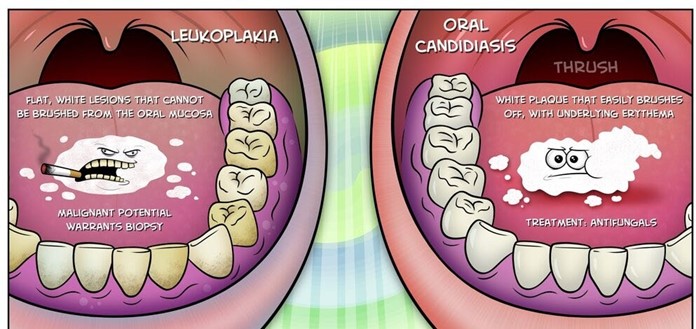
Oral candidiasis, also known as thrush, is a fungal infection of the mouth caused by Candida albicans. It is a common adverse effect of inhaled corticosteroids, such as fluticasone, which can suppress the normal flora of the oral cavity and create a favorable environment for fungal growth. It manifests as white patches or plaques on the tongue, palate, or cheeks that can be scraped off.
a) Polyuria, or excessive urination, is not an adverse effect of fluticasone. It can be caused by diabetes mellitus, diabetes insipidus, diuretics, or kidney disease.
b) Hypoglycemia, or low blood glucose level, is not an adverse effect of fluticasone. It can be caused by
insulin overdose, oral hypoglycemic agents, alcohol intake, or prolonged fasting.
c) Hypertension, or high blood pressure, is not an adverse effect of fluticasone. It can be caused by stress, obesity, smoking, salt intake, or kidney disease.
Correct Answer is ["100"]
Explanation
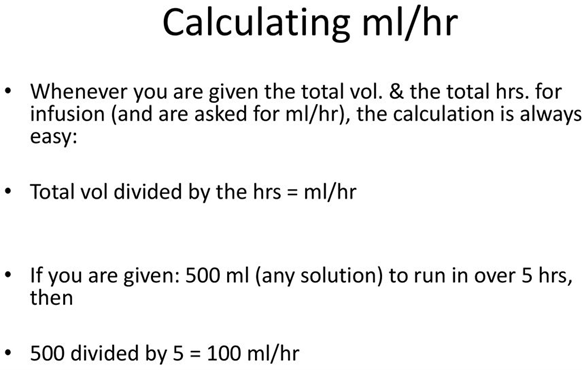
To calculate the infusion rate, use the formula:
mL/hr = (volume of solution in mL / time of infusion in hr) x 60 min/hr
Plug in the given values:
mL/hr = (50 mL / 0.5 hr) x 60 min/hr
Simplify and solve:
mL/hr = 100 x 60 min/hr
mL/hr = 100 mL/hr
Round to the nearest whole number and add a leading zero if needed:
mL/hr = 100 mL/hr
Whether you are a student looking to ace your exams or a practicing nurse seeking to enhance your expertise , our nursing education contents will empower you with the confidence and competence to make a difference in the lives of patients and become a respected leader in the healthcare field.
Visit Naxlex, invest in your future and unlock endless possibilities with our unparalleled nursing education contents today