
A nurse is caring for an infant who receives intermittent enteral feedings through a gastrostomy tube.
Which of the following actions should the nurse take when administering a feeding? (Select all that apply.).
Offer the infant a pacifier during feedings.
Check for residual volumes by aspirating stomach contents.
Place the infant in supine position.
Instill the formula over a period of 30 to 45 min.
Heat the formula to 39° C (102° F) prior to administration.
Correct Answer : A,B,D

A. Offer the infant a pacifier during feedings.
B. Check for residual volumes by aspirating stomach contents.
D. Instill the formula over a period of 30 to 45 min.
Offering the infant a pacifier during feedings can help promote non-nutritive sucking and provide comfort to the infant.
Checking for residual volumes by aspirating stomach contents can help monitor gastric emptying and tolerance to enteral feeding.
Instilling the formula over a period of 30 to 45 min can help prevent overfeeding and reduce the risk of aspiration.
Choice C is wrong because placing the infant in a supine position during feedings increases the risk of aspiration.
The infant should be placed in an upright or semi-upright position during feedings.
Choice E is wrong because heating the formula to 39° C (102° F) prior to administration is not necessary and may even be harmful if the formula is overheated.
Nursing Test Bank
Naxlex Comprehensive Predictor Exams
Related Questions
Correct Answer is B
Explanation
The trigeminal nerve is responsible for sensation in the face and motor functions such as biting and chewing.
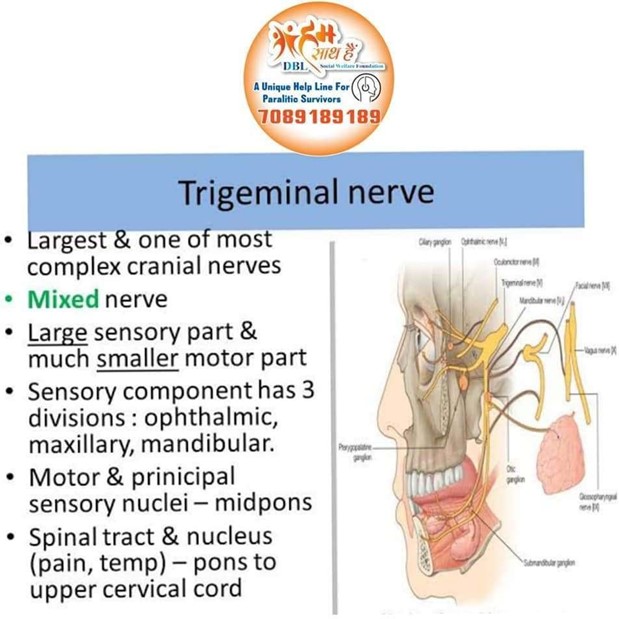
Symmetrical jaw strength when biting down indicates proper functioning of the trigeminal nerve.
Choice A is wrong because it assesses the vestibulocochlear nerve, not the trigeminal nerve.
Choice C is wrong because it assesses the glossopharyngeal and vagus nerves, not the trigeminal nerve.
Choice D is wrong because it assesses the olfactory nerve, not the trigeminal nerve.
Correct Answer is C
Explanation
Pad the side rails of the crib.
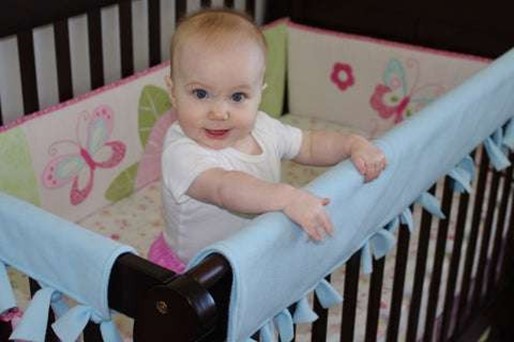
Padding the side rails of the crib can help prevent injury if the infant experiences seizures, which can be a symptom of bacterial meningitis.
Choice A is wrong because infants with bacterial meningitis may be sensitive to noise and light, so keeping the television on may not be appropriate.
Choice B is wrong because range of motion exercises to the neck and shoulders may not be appropriate for an infant with bacterial meningitis.
Choice D is wrong because placing the infant in a semiprivate room may increase the risk of infection 1.
Whether you are a student looking to ace your exams or a practicing nurse seeking to enhance your expertise , our nursing education contents will empower you with the confidence and competence to make a difference in the lives of patients and become a respected leader in the healthcare field.
Visit Naxlex, invest in your future and unlock endless possibilities with our unparalleled nursing education contents today