
A nurse is creating a plan of care for a newborn who is breastfed and appears jaundiced.
Which of the following interventions should the nurse include?
Place the newborn under a radiant warmer.
Supplement breastfeeding with iron-fortified formula.
Determine the effectiveness of breastfeeding.
Administer Rho(D) immune globin to the newborn.
The Correct Answer is C
Choice A rationale:
Placing the newborn under a radiant warmer is not directly related to addressing breastfeeding-related jaundice.
Choice B rationale:
Supplementing breastfeeding with formula is not the first-line approach and may interfere with establishing successful breastfeeding.
Choice C rationale:
Breastfeeding-related jaundice can occur if the newborn is not effectively breastfeeding and not getting enough milk. Assessing the effectiveness of breastfeeding is important to address the underlying cause of jaundice.
Choice D rationale:
Administering Rho(D) immune globulin is unrelated to addressing jaundice in a breastfed newborn.
Nursing Test Bank
Naxlex Comprehensive Predictor Exams
Related Questions
Correct Answer is B
Explanation
Choice A rationale
Omeprazole is a proton pump inhibitor used to reduce stomach acid production and is not typically used for treating bloody stools in inflammatory bowel disease.
Choice B rationale:
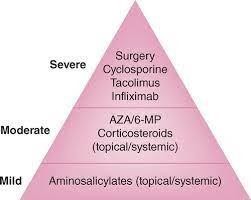
Infliximab is used to treat inflammatory bowel disease and can help manage symptoms such as bloody stools by suppressing the inflammatory response.
Choice C rationale:
Ondansetron is an antiemetic used for nausea and vomiting, not related to bloody stools.
Choice D rationale:
Metoclopramide is used to treat nausea, vomiting, and gastrointestinal motility disorders, not specifically indicated for bloody stools.
Correct Answer is C
Explanation
Choice A rationale:
Drainage in the Hemovac is an expected finding postoperatively and is not as urgent as nonreactive pupils.
Choice B rationale:
Periorbital ecchymosis (bruising around the eyes) is not uncommon after a craniotomy and is not as urgent as nonreactive pupils.
Choice C rationale:
Nonreactive pupils can indicate a neurological emergency, such as increased intracranial pressure or potential damage to the cranial nerves. This finding requires immediate attention to prevent further complications.
Choice D rationale:
Hemoglobin level of 11 g/dL is within a normal range and is not a priority concern.
Whether you are a student looking to ace your exams or a practicing nurse seeking to enhance your expertise , our nursing education contents will empower you with the confidence and competence to make a difference in the lives of patients and become a respected leader in the healthcare field.
Visit Naxlex, invest in your future and unlock endless possibilities with our unparalleled nursing education contents today