
A nurse is discussing risk factors of postpartum haemorrhage with a newly licensed nurse. Which of the following conditions is a risk factor for postpartum haemorrhage that the nurse should include in the teaching?
Pregnancy-induced hypertension
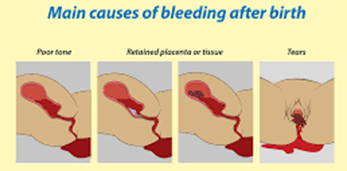
Retained placental fragments
oligohydramnios
Meconium-stained fluid
The Correct Answer is B
Postpartum haemorrhage (PPH) is defined as excessive bleeding following the birth of a baby. It is a major cause of maternal morbidity and mortality worldwide. Risk factors for PPH include uterine atony, retained placental fragments, genital tract trauma, coagulopathy, and previous history of PPH.
Nursing Test Bank
Naxlex Comprehensive Predictor Exams
Related Questions
Correct Answer is A
Explanation
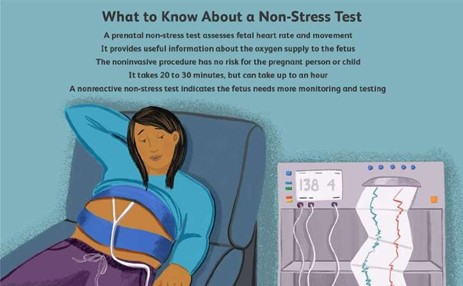
A nonstress test measures fetal heart rate in response to fetal movement. A reactive nonstress test result is when there are at least two accelerations of the fetal heart rate within a 20-minute period, each lasting at least 15 seconds and peaking at least 15 beats per minute above the baseline. If there are fewer than two accelerations within a 20-minute period, further diagnostic testing may be needed.
Correct Answer is D
Explanation
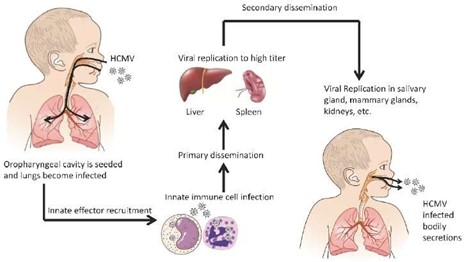
Cytomegalovirus (CMV) is a common virus that can cause serious health problems in newborns if the mother acquires a primary infection during pregnancy and passes the virus to the developing fetus. CMV can be transmited transplacentally or during delivery through contact with infected body fluids.
Newborns who acquire CMV transplacentally may exhibit a range of symptoms, including jaundice, hepatosplenomegaly, thrombocytopenia, microcephaly, and hearing loss. Of the options listed, only hearing loss is consistent with a congenital CMV infection.
Macrosomia (option a) refers to a condition in which a baby is born larger than average for gestational age. It is not typically associated with a congenital CMV infection.
Cataracts (option b) are a clouding of the lens of the eye and are not typically associated with a congenital CMV infection.
Urinary tract infection (option c) is a possible complication of a congenital CMV infection, but hearing loss is a more common and specific finding.
Whether you are a student looking to ace your exams or a practicing nurse seeking to enhance your expertise , our nursing education contents will empower you with the confidence and competence to make a difference in the lives of patients and become a respected leader in the healthcare field.
Visit Naxlex, invest in your future and unlock endless possibilities with our unparalleled nursing education contents today